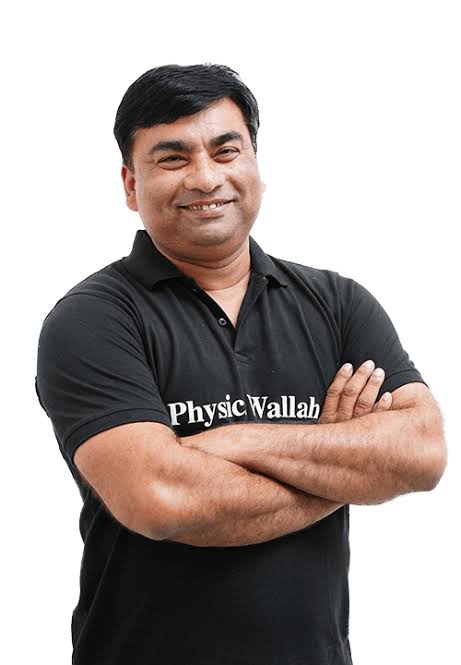

JEE Physics ki preparation karte waqt ek problem bahut students experience karte hain. Lecture dekhte samay concepts understandable lagte hain, teacher ke solved examples bhi clear ho jaate hain, lekin jab khud se numerical solve karna hota hai, toh samajh nahi aata ki shuruaat kahan se karein.
Agar aap bhi Manish Sharma JEE Physics lectures follow kar rahe hain aur Rotational Motion, Electrostatics, Waves ya Mechanics jaise chapters difficult lagte hain, toh sirf zyada lectures dekhna solution nahi hai.
Physics ko properly samajhne ke liye foundational knowledge, mathematical application, visual understanding aur independent problem-solving ka combination zaroori hai.
Is guide mein hum samjhenge ki Manish Sharma Sir ke available lectures ko effectively kaise use karein, difficult chapters ke prerequisites kya hain, numericals solve karne ka systematic approach kya hona chahiye aur revision ko productive kaise banaya ja sakta hai.
JEE Physics Ke Tough Concepts Students Ko Difficult Kyun Lagte Hain?
Physics mein difficulty aksar kisi ek complicated formula ki wajah se nahi hoti. Problem tab shuru hoti hai jab student ko concept ke peeche ka physical reasoning clear nahi hota.
1. Fundamentals clear nahi hote
Maan lijiye aap Projectile Motion padh rahe hain, lekin vectors ko horizontal aur vertical components mein resolve karna nahi aata.
Aise mein projectile trajectory, maximum height aur range ke questions confusing lag sakte hain.
Similarly, Newton’s Laws properly samjhe bina friction ya connected bodies ke problems tackle karna challenging ho sakta hai.
2. Mathematics ka application weak hota hai
JEE Physics mein algebra, trigonometry, graphs aur basic calculus ka important role hai.
Student ko acceleration ki definition maloom ho sakti hai, lekin velocity-time graph se displacement calculate karne mein difficulty aa sakti hai.
Isliye mathematical tools ko Physics ke practical applications ke saath revise karna helpful hai.
3. Formulas yaad hain, conditions nahi
Sirf \(v=u+at\) yaad karna sufficient nahi hai. Student ko yeh bhi samajhna chahiye ki yeh relation constant acceleration ke condition mein applicable hai.
Jab formulas ke assumptions clear hote hain, tab unfamiliar questions mein correct method choose karna comparatively easier hota hai.
Manish Sharma Sir Ke Lectures Se Learning Ki Shuruaat Kaise Karein?
Manish Sharma Sir ke JEE Physics teaching resources mein Waves jaise chapters ke lecture references available hain. Physics Wallah ne unke Waves session ko wave motion, standing waves, organ pipes, interference aur Doppler effect jaise topics se connect kiya hai. PW Live
Lekin kisi bhi educator ka lecture effective tab banta hai jab student usse actively follow kare.
Lecture start karne se pehle
Sabse pehle chapter ka naam, important subtopics aur apni existing understanding identify karein.
Agar chapter Rotational Motion hai, toh Newton’s Laws, circular motion, torque aur basic vector operations revise karna useful rahega.
Lecture choose karte waqt bhi apna level consider karein. Beginners ko detailed foundational explanation ki zaroorat ho sakti hai, jabki already prepared students one-shot revision se benefit le sakte hain.
Lecture ke dauran
Video ko continuously dekhne ke bajay important explanation ke baad pause karein.
Jab teacher koi numerical start karein, solution reveal hone se pehle khud figure banayein aur applicable principle identify karne ki koshish karein.
Notes mein har spoken sentence copy karne ki zaroorat nahi hai. Definitions, diagrams, assumptions, derivation ka main idea aur important mistakes record karna enough ho sakta hai.
Lecture complete hone ke baad
Lecture band karke concept ko apne words mein explain karein.
Agar aap bina notes dekhe yeh bata sakte hain ki koi formula kyun apply hota hai, toh understanding develop ho rahi hai.
Physics education aur online teaching ke broader context ko samajhne ke liye The Journey of Physics Wallah bhi explore kar sakte hain.
Tough Physics Chapters Se Pehle Kaunse Basics Strong Karein?
Difficult chapters ko random order mein cover karne se better hai ki unke prerequisite concepts samjhe jaayein.
| Tough Physics topic | Pehle kya revise karein |
|---|---|
| Projectile Motion | Vectors, basic trigonometry, kinematics |
| Friction and Connected Bodies | Newton’s Laws, free-body diagrams |
| Work-Energy Applications | Force, displacement, work-energy theorem |
| Rotational Motion | Circular motion, torque, angular quantities |
| Electrostatics | Coulomb’s law, vectors, electric field, potential |
| Wave Motion | Oscillations, graphs, basic trigonometry |
For example, Rotational Motion mein \(\tau=I\alpha\) formula samajhna useful hai, lekin torque ka physical meaning aur moment of inertia ka role clear hona bhi zaroori hai.
Similarly, Electrostatics mein electric field aur potential ke beech relationship samajhne se charged particles ke questions approach karna easier ho sakta hai.
Chapter padhne se pehle 15–20 minutes ka prerequisite check aapko unnecessary confusion identify karne mein help kar sakta hai.
Lecture Samajhne Ke Baad Bhi Physics Questions Kyun Nahi Bante?
Lecture understanding aur independent problem-solving do alag skills hain.
Teacher jab question explain karte hain, toh woh relevant concept choose kar chuke hote hain. Student ko problem khud solve karte waqt pehle yahi decide karna hota hai.
Yahan learning ka important gap create hota hai.
Passive watching: Solution dekhte hue har step logical lag sakta hai, lekin khud attempt karte waqt starting point missing hota hai.
Diagram na banana: Mechanics mein force direction ya motion ka representation galat hua, toh subsequent equations bhi incorrect ho sakti hain.
Formula selection mein confusion: Same chapter ke different questions alag principles demand kar sakte hain.
Limited variation practice: Ek solved example samajhna us concept ke sabhi applications samajhne ke equal nahi hai.
Is gap ko close karne ke liye solved example ke baad usi concept ka ek similar aur ek slightly modified question independently attempt karein.
Agar difficulty aaye, toh solution ka sirf initial hint dekhein. Pura answer turant check karne ki habit reduce karein.
Physics concepts ko real-life explanations se connect karne ke ek aur educational perspective ke liye Science and Fun by Ashu Ghai par existing article relevant hai.
JEE Physics Ke Difficult Questions Solve Karne Ka Step-by-Step Method
Strong JEE Physics problem solving ke liye ek repeatable process develop karna beneficial hai.
- Question samjhein: Actual physical situation aur required answer identify karein.
- Given values likhein: Known aur unknown quantities ko separate karein.
- Diagram banayein: Direction, forces, angles ya motion represent karein.
- Principle identify karein: Newton’s Laws, energy conservation ya kinematics mein se appropriate approach choose karein.
- Equations select karein: Formula ki conditions verify karein.
- Calculation complete karein: Algebra aur units carefully handle karein.
- Answer verify karein: Dimensions, sign aur physical reasonableness check karein.
Practical Example: Acceleration and Distance
Ek object rest se move karna start karta hai aur constant acceleration \(2\ \text{m/s}^2\) se 5 seconds tak travel karta hai. Uska displacement kya hoga?
Given:
- Initial velocity \(u=0\)
- Acceleration \(a=2\ \text{m/s}^2\)
- Time \(t=5\ \text{s}\)
Constant acceleration ke liye:
\[ s=ut+\frac12at^2 \]
Values substitute karne par:
\[ s=0+\frac12(2)(5)^2=25\ \text{m} \]
Is question ka answer 25 metres hai.
Lekin actual learning yeh identify karna hai ki acceleration constant hai, initial velocity zero hai aur displacement calculate karne ke liye kaunsa relation suitable hai.
Advanced questions mein bhi isi reasoning ko multiple concepts ke saath combine karna padta hai.
Manish Sharma Sir Ki Classes Ke Saath Effective Revision Strategy
Revision ka matlab sirf recorded lecture dobara dekhna nahi hona chahiye.
JEE Physics preparation strategy mein active recall aur problem application ko regular place dena useful hai.
Same-day concept review
Lecture complete hone ke baad short session mein main concepts revise karein. Notes close karke definitions aur important relationships recall karne ki koshish karein.
Topic-wise numerical practice
Concept clear hone ke baad basic questions se shuru karein aur gradually JEE Main aur Advanced-oriented questions tak progress karein.
Previous-year questions
PYQs se samajh aata hai ki examined concepts kis tarah different situations mein apply hue hain.
Inhe sirf correct answers count karne ke liye nahi, balki question interpretation improve karne ke liye use karein.
Mistake notebook
Har incorrect question ke liye mistake ka reason record karein:
- Conceptual misunderstanding
- Mathematical error
- Incorrect diagram
- Formula assumption mistake
- Question interpretation error
Agar same mistake repeat hoti hai, toh related theory dobara revise karein.
SATHEE IIT Kanpur ka conceptual understanding guide bhi foundation building aur problem-solving ke relationship ko explain karta hai.
7-Day Practical Study Plan for Tough JEE Physics Concepts
Yeh illustrative plan ek difficult topic ya manageable subtopic ko systematically study karne ke liye hai. Isse apne school, coaching aur existing preparation ke according adjust karein.
| Day | Learning activity | Expected outcome |
|---|---|---|
| Day 1 | Prerequisite concepts revise karein | Foundation gaps identify |
| Day 2 | Relevant lecture actively study karein | Main principles samjhein |
| Day 3 | Worked examples independently recreate karein | Solution logic develop |
| Day 4 | Basic aur moderate numericals solve karein | Application improve |
| Day 5 | Chapter-related PYQs attempt karein | Exam-style practice |
| Day 6 | Incorrect questions analyse karein | Weak points identify |
| Day 7 | Short revision aur self-assessment | Progress evaluate |
Is schedule ko follow karte waqt question quality aur understanding ko quantity se zyada importance dein.
Agar koi foundational concept unclear reh jaaye, toh next topic rush karne ke bajay us par additional time spend karna reasonable hai.
JEE Physics Preparation Mein Common Mistakes
Physics preparation ko inefficient banane wali kuch habits easily overlook ho jaati hain.
Multiple teachers ke lectures continuously switch karna: Different explanations helpful ho sakti hain, lekin bina practice ek ke baad doosra lecture dekhna progress ka reliable indicator nahi hai.
Har question mein shortcut search karna: Short methods tabhi helpful hain jab underlying principle aur application conditions understood hon.
Sirf familiar questions solve karna: Agar har problem ka method pehle se known hai, toh new situations handle karne ki ability properly test nahi hoti.
Mock test ke baad analysis skip karna: Score dekhna useful hai, lekin incorrect decisions identify karna equally important hai.
Mathematical tools ignore karna: Graphs, trigonometry aur basic calculus ki weakness Physics application mein bhi reflect ho sakti hai.
Effective preparation mein resource selection, concept learning aur deliberate practice ke beech balance hona chahiye.
JEE Main Aur JEE Advanced Physics Preparation Mein Kya Difference Rakhein?
Dono examinations ke liye strong conceptual understanding important hai, lekin question-solving practice ko respective examination ke format se align karna chahiye.
JEE Main preparation mein syllabus coverage, accurate calculations, efficient application aur timed practice par attention dein.
JEE Advanced ke liye unfamiliar situations, connected concepts, multi-step reasoning aur assumptions ko carefully evaluate karne ki practice bhi zaroori hai.
Example ke liye, Mechanics ke ek question mein force analysis sufficient ho sakta hai, jabki doosre problem mein energy conservation aur rotational dynamics dono ko connect karna pad sakta hai.
Isliye sirf difficult questions collect karne ke bajay different reasoning patterns par kaam karein.
Available chapter lectures aur revision resources ko apne exam objective ke according choose karein. Manish Sharma Sir ke Waves lecture reference ko Physics Wallah ke Waves learning guide mein explore kiya ja sakta hai.
Frequently Asked Questions
1. Manish Sharma Sir se JEE Physics padhna kaise start karein?
Pehle apna current level identify karein. Relevant foundational topics revise karke suitable detailed lecture ya revision resource choose karein. Har lecture ke baad independent numerical practice zaroor karein.
2. JEE Physics ke tough concepts samajhne ke liye pehle kya padhna chahiye?
Vectors, kinematics, Newton’s Laws, basic algebra, trigonometry aur graphs important foundations hain. Exact prerequisites aapke selected chapter par depend karenge.
3. Physics lectures samajhne ke baad bhi numericals kyun nahi bante?
Teacher ka solution follow karna aur independently applicable principle choose karna different processes hain. Active recall, diagrams aur varied question practice is difference ko reduce karne mein help karte hain.
4. Kya beginners Manish Sharma Sir ke lectures follow kar sakte hain?
Beginners available lectures ko apne current preparation level se match karke evaluate kar sakte hain. Advanced revision session se pehle foundational material complete karna useful ho sakta hai.
5. JEE Advanced Physics ke difficult questions ki practice kaise karein?
Pehle foundational applications solve karein. Uske baad multi-concept questions, relevant PYQs aur timed exercises attempt karein. Incorrect solutions ka reasoning-based analysis karein.
Final Thoughts
Manish Sharma Sir ke lectures se JEE Physics padhte waqt sabse important objective sirf chapter complete karna nahi, balki concepts ko independently apply karna hona chahiye.
Tough chapters ko manageable banane ke liye prerequisites samjhein, lectures actively follow karein, problems ke diagrams banayein aur regular practice ke through apni understanding test karein.
Ek useful starting point yeh hai ki apne kisi difficult chapter se paanch questions select karein aur identify karein ki difficulty concept understanding, mathematics ya formula application mein se kis area mein aa rahi hai.
Jab actual learning gap clear ho jaata hai, tab preparation ko zyada focused aur systematic banana possible hota hai.