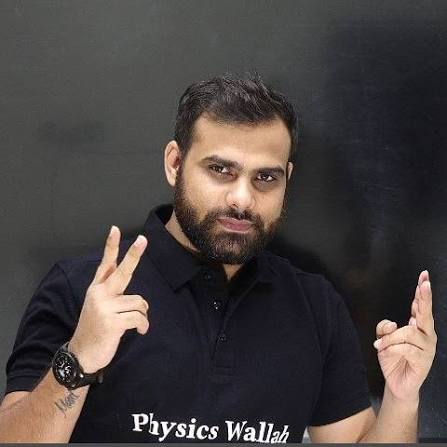
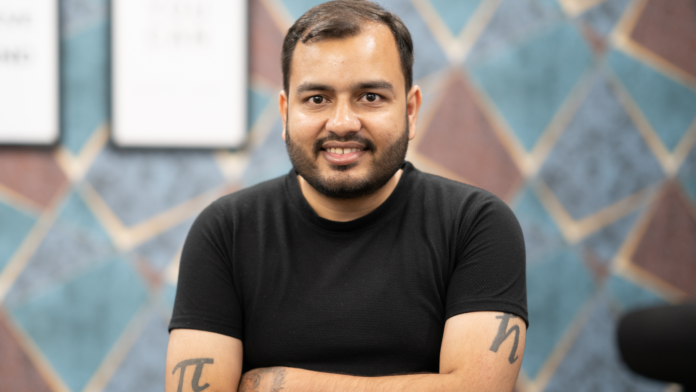
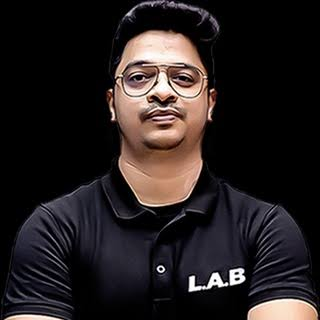
For hundreds of thousands of NEET aspirants across India, Physics often stands as the most intimidating subject on the syllabus. Complex derivations, tricky numericals, and time constraints can quickly lead to exam anxiety. Enter Dr. Manish Raj, affectionately known to the student community as MR Sir.
As one of the star physics educators at Physics Wallah (PW), MR Sir has redefined how Indian students approach physics. His energetic teaching style, grounded problem-solving tricks, and relentless motivation have converted the subject from a dreaded barrier into a high-scoring weapon for medical aspirants.
Quick Profile: Dr. Manish Raj (MR Sir)
Feature
Details
Full Name
Dr. Manish Raj
Popularly Known As
MR Sir
Profession
Senior Physics Educator, Author, Mentor
Organization
Physics Wallah (PW)
Hometown / Origin
Bihar, India
Key Specialization
NEET UG & JEE Physics
Known For
High-energy marathons, conceptual clarity, formula derivation shortcuts
Early Life & Academic Background
Born and raised in Bihar, Dr. Manish Raj demonstrated an early aptitude for mathematical sciences and analytical reasoning. Rather than merely pursuing standard academic tracks, he pursued higher education deeply within pure physics.
He completed his Master of Science (M.Sc.) and subsequently earned his Ph.D. in Physics from the University of Delhi. Along the way, his competitive accomplishments established his command over the discipline:
AIR 4 in Delhi University M.Sc. Physics Entrance Exam
AIR 29 in GATE (Graduate Aptitude Test in Engineering)
AIR 135 in CSIR-NET JRF
His background as an active researcher and competitive top-ranker provided him with both rigorous theoretical depth and speed-focused examination strategies.
Career in Kota: The Proving Grounds
Before becoming a digital household name, MR Sir spent years sharpening his pedagogy in the demanding environment of Kota, Rajasthan—the coaching capital of India.
He taught at premier institutes, including Sarvottam Career Institute, mentoring thousands of classroom students targeting top ranks in the National Eligibility cum Entrance Test (NEET UG). In Kota’s intense ecosystem, he developed his trademark skill: distilling multivariable numerical problems into clear, two-step visual intuition that standard biology-heavy NEET students could effortlessly digest.
Joining Physics Wallah & The Digital Revolution
In 2020, MR Sir joined forces with Alakh Pandey’s Physics Wallah. The transition from offline classrooms to live digital platforms amplified his reach overnight.
Within PW flagship batches such as Yakeen (for droppers) and Lakshya (for Class 12), MR Sir quickly established himself as a student favorite. His classes are defined by:
“Physics Feel” Approach: Explaining abstract theorems—such as rotational dynamics, electrostatics, or fluid mechanics—using real-life Indian analogies and simple physical intuition.
Exhaustive Question Practice: Instead of restricting students to basic textbook problems, he walks them through exhaustive previous-year question sets (PYQs) and tough edge-cases.
High-Intensity Motivation: His direct, authentic, and firm mentoring keeps students accountable through long, fatiguing preparation cycles.
Historic Teaching Marathons & Records
A defining milestone in MR Sir’s online journey is his record-setting live-stream marathons. To ensure underprivileged students with limited coaching access could revise the entire NEET syllabus before the exam, he hosted multi-hour live marathons on YouTube.
His continuous 30-hour comprehensive NEET Physics revision marathon became historic in Indian online education, setting benchmarks for teacher dedication, live viewership, and student engagement.
Core Teaching Philosophy: Why Students Connect with MR Sir
Empathy for the Non-Math Mindset: Many NEET aspirants focus predominantly on Biology and find Physics numericals intimidating. MR Sir designs his lectures specifically to bridge this gap, breaking down calculus and vectors into straightforward algebra.
Discipline Over Hype: While known for humorous classroom quips and relatable anecdotes, he consistently emphasizes self-discipline, routine test analysis, and error correction.
Community Resources: He frequently publishes high-yield formula sheets, lecture notes, and practice material accessible across the Physics Wallah YouTube Channel and official portals.
Frequently Asked Questions (FAQs)
1. What is the full name of MR Sir in Physics Wallah?
MR Sir’s full name is Dr. Manish Raj.
2. What are MR Sir’s educational qualifications?
He holds both an M.Sc. and a Ph.D. in Physics from the University of Delhi, and has cracked prestigious competitive examinations including GATE (AIR 29) and CSIR-NET JRF (AIR 135).
3. Which batches does MR Sir teach at Physics Wallah?
He primarily heads Physics modules across flagship NEET batches including Yakeen (NEET Dropper batch) and Lakshya NEET, alongside crash courses and open revision series.
4. Why is MR Sir famous among NEET aspirants?
He is renowned for simplifying complex numerical calculations, holding record-breaking live revision marathons, and building confidence in students who struggle with mathematical physics.
5. How many hours did MR Sir teach in his famous YouTube marathon?
MR Sir completed a historic 30-hour marathon session (split across a consecutive schedule) covering the entire NEET Physics syllabus live on YouTube.
When it comes to preparing for medical entrance examinations in India, Biology is often the ultimate rank-decider. Among the educators simplifying intricate biological systems for millions of students across the nation, Samapti Sinha Mahapatra—affectionately known as Samapti Ma’am—stands out as a student favorite.
Renowned for her dynamic delivery, deep conceptual clarity, and strictly NCERT-aligned approach, she has helped transform Zoology into an accessible, scoring subject for NEET aspirants.
Hailing from Bankura, West Bengal, Samapti Ma’am grew up in a disciplined household with her father serving as an Indian Army officer. Her affinity for life sciences blossomed during her school years, motivating her to prepare for medical entrance exams.
While she initially aspired to crack the medical entrance examination, her path transitioned directly toward academic mastery in biological sciences. She earned her Bachelor of Science (B.Sc.) in Zoology and completed her post-graduation (M.Sc. in Zoology) from the renowned Banaras Hindu University (BHU). Her strong foundational research and post-graduate training equipped her with deep domain authority across human physiology, animal diversity, and genetics.
The Evolution of Her Teaching Journey
Before becoming a digital household name, Samapti Ma’am honed her instructional abilities in established offline classroom environments. She taught at premier national coaching institutes, including Aakash Institute, where she guided students through competitive medical entrance prep.
Her national reach multiplied when she joined Physics Wallah. Bringing energy and structured methodology to NEET batches like Yakeen and Lakshya, she quickly captured the attention of learners who struggled with textbook memorization. Today, students frequently turn to resources like the National Testing Agency (NTA) alongside her NCERT-focused lectures to benchmark their exam preparation.
What Makes Her Teaching Style Unique?
Line-by-Line NCERT Decoding: NEET heavily draws its question bank from the lines and diagrams of NCERT textbooks. Samapti Ma’am systematically walks through text diagrams, footnotes, and tricky terminology, ensuring nothing is left to chance.
Visual Flowcharts & Mind Maps: Rather than relying on passive rote learning, she breaks complex physiological mechanisms—such as the cardiac cycle or hormonal feedback loops—into concise visual flowcharts.
Relatable Analogies: She frequently bridges abstract scientific terminology with everyday scenarios, keeping students engaged throughout long, intensive sessions.
High-Octane Motivation: Beyond academic concepts, her candid mentorship and motivational reminders help students stay disciplined and resilient during arduous prep cycles.
Frequently Asked Questions (FAQs)
1. Who is Samapti Ma’am?
Samapti Sinha Mahapatra (Samapti Ma’am) is a senior Biology and Zoology educator at Physics Wallah, recognized for teaching NEET aspirants across India.
2. What are Samapti Ma’am’s educational qualifications?
She holds a Bachelor’s degree in Zoology and completed her Master’s degree (M.Sc.) in Zoology from Banaras Hindu University (BHU).
3. Which subjects does Samapti Ma’am teach at Physics Wallah?
She specializes primarily in Zoology for NEET UG batches, covering human physiology, animal kingdom, genetics, and biotechnology.
4. Where did Samapti Ma’am teach before joining Physics Wallah?
Prior to joining Physics Wallah in 2021, she taught Biology at established coaching institutes, including Aakash Institute.
5. Why is Samapti Ma’am so popular among NEET aspirants?
Students value her interactive approach, simplified breakdowns of tough concepts, disciplined focus on NCERT books, and encouraging teaching persona.
Meta Title: Seep Pahuja Biology Classes: Why NEET Aspirants Love Her Teaching
Meta Description: Discover why NEET aspirants swear by Seep Pahuja’s biology classes. Explore her NCERT line-by-line method, 3D visual models, mnemonics, and 360/360 exam strategy.
Primary Keywords: Seep Pahuja biology, Seep Pahuja NEET lectures, NEET biology preparation, NCERT line by line biology, Seep Pahuja notes.
Secondary Keywords: Best biology teacher for NEET, score 360 in NEET biology, NEET zoology and botany, Unacademy Seep Pahuja, NEET 2026 biology revision.
Seep Pahuja Biology Classes: Why NEET Aspirants Love Her Teaching
Scoring 360/360 in NEET Biology is often considered the golden ticket to securing a government medical seat. Carrying 50% of the entire paper’s weightage (360 marks out of 720), Biology is not merely a subject to clear—it is the rank maker. Yet, thousands of aspirants struggle to convert their NCERT readings into exam-day accuracy. Between dense physiological pathways, taxonomical classifications, and confusing assertion-reasoning questions, rote learning frequently falls flat.
Enter Seep Pahuja, one of India’s most celebrated NEET Biology educators. Over the last decade, her lecture series, YouTube marathons, and structured online classrooms have garnered millions of views and mentored lakhs of medical aspirants. But what makes her classes stand out in an educational landscape filled with hundreds of coaching alternatives?
Here is an in-depth breakdown of why NEET aspirants consistently trust and love Seep Pahuja’s biology teaching.
1. Line-by-Line NCERT Deconstruction
Every NEET teacher preaches the importance of the NCERT textbook, but Seep Pahuja actively operationalizes it. Instead of treating NCERT as supplementary reading, her entire teaching methodology orbits around extracting every hidden insight within its pages.
Between-the-Lines Clarification: The National Testing Agency (NTA) often constructs tricky multiple-choice questions from simple lines, summary notes, or diagram captions. Seep highlights these subtle nuances during her live lectures, helping students avoid standard exam traps.
High-Yield Annotations: Her handwritten and curated PDF notes provide line-by-line annotations. Aspirants rarely need to maintain separate, bulky reference notebooks; her classes guide them to mark their textbooks with high-retention micro-notes directly.
Bridging Class 11 and Class 12 Syllabi: She connects foundational topics in Class 11 Cell Biology with advanced Class 12 Molecular Genetics, reinforcing conceptual synergy across the medical syllabus.
Students who regularly practice official exam layouts can cross-reference these patterns using the NTA Official NEET Examination Portal to review how strictly the examination sticks to the NCERT syllabus.
2. Dynamic 3D Visualizations & Conceptual Memory
Human Physiology and Plant Anatomy are notoriously hard to master if approached through static, two-dimensional diagrams. A major hallmark of Seep Pahuja’s modern classes is her integration of 3D models, digital animations, and visual storytelling.
Physiological Mechanisms in Motion: Whether illustrating the sliding filament theory in muscle contraction, blood flow through heart valves, or the counter-current mechanism in nephrons, 3D animations turn abstract pathways into visible mechanics.
Retention Over Memorization: When students watch a physiological cascade unfold dynamically, they rely far less on brute memorization. This visual scaffolding directly improves their speed and accuracy when solving complex case-based questions under timed conditions.
3. High-Retention Mnemonics and “NCERT Hacks”
For chapters heavy on taxonomy and morphology—such as the Animal Kingdom, Morphology of Flowering Plants, and Biological Classification—memorizing dozens of scientific names and traits can be overwhelming.
Seep Pahuja has popularized hundreds of catchy, contextual mnemonics designed specifically for high-stress recall. Rather than offering arbitrary acronyms, her mnemonics connect familiar real-world cues directly to plant families (Solanaceae, Fabaceae, Liliaceae) or animal phyla. Aspirants frequently highlight that in the final 30 seconds of an exam section, these mental shortcuts make the difference between a panicked guess and a confirmed +4 score.
4. Master of High-Yield Revision: One-Shots & NCERT 360
Time management becomes the single biggest challenge as NEET exam day approaches. Aspirants balancing Board exams, Physics formulas, and Organic Chemistry mechanisms need concise, rapid revision for Biology.
Series Type
Structure & Focus
Student Benefit
One-Shot Chapter Marathons
2 to 4-hour comprehensive single-session breakdowns covering entire chapters.
Perfect for quick weekend overhauls and backlogs.
NCERT 360 Series
Complete, comprehensive textbook sweeps with high-yield focus.
Guarantees zero missed lines across Class 11 & 12.
PYQ & Mock Drill Sprints
Integrated sessions matching questions directly to textbook page numbers.
Builds instant familiarity with question framing patterns.
Her revision streams on Unacademy and YouTube routinely draw tens of thousands of simultaneous live viewers. Rather than diluting content for speed, her marathons systematically dissect Previous Years’ Questions (PYQs), training students to recognize the exact cognitive traps set by paper-setters.
5. Empathy, Calm Mentorship, and Student-First Energy
Teaching technical knowledge is only half the battle during a 2-year competitive exam journey; emotional stability is the other half. The psychological toll of scoring plateaus and mock test burnout causes many aspirants to quit early.
Seep Pahuja’s demeanor is patient, grounded, and consistently encouraging. She addresses the emotional hurdles of the journey candidly:
Demystifying the “Drop Year” Stigma: She regularly counsels dropper students, emphasizing that strategic adjustments—not frantic overtime—bridge the gap between 500 and 650+ marks.
Direct, No-Nonsense Time Strategies: Rather than offering unrealistic 18-hour study timetables, her prep guidance focuses on targeted, active study intervals, sleep consistency, and diagnostic mock test analysis.
For students looking to explore comprehensive curriculum schedules, live cohort schedules, and specialized mentorship programs, visiting the Unacademy NEET UG Learning Platform provides detailed updates on ongoing batches.
The Formula Behind the 360/360 Aspirations
Biology provides the engine for every successful NEET candidate’s rank. It demands precision, high-velocity problem solving, and an exhaustive grasp of NCERT fundamentals.
Seep Pahuja’s classes resonate because they discard unnecessary post-graduate theory and focus exclusively on what actually delivers marks: line-by-line clarity, visual recall, actionable mnemonics, and honest mentorship. For millions of future doctors navigating the country’s most competitive medical entrance, her lectures aren’t just lessons—they are a reliable roadmap straight into medical college.
Frequently Asked Questions (FAQs)
Q1. Does Seep Pahuja cover both Botany and Zoology?
Yes, Seep Pahuja teaches complete NEET Biology, delivering comprehensive lectures on both Botany (Plant Physiology, Genetics, Reproduction, Ecology) and Zoology (Human Physiology, Animal Kingdom, Evolution, Biotechnology).
Q2. Are her lectures sufficient to score 340+ in NEET Biology?
Yes. Her curriculum is strictly mapped to NCERT lines and supplemented with recent Previous Year Questions (PYQs) and Assertion-Reasoning drills. If a student pairs her lectures with diligent personal NCERT revisions and regular mock test analysis, achieving 340 to 360 marks is realistic.
Q3. Where can I access Seep Pahuja’s biology classes?
Her classes are accessible across multiple platforms: free revision series, one-shots, and strategy sessions stream on YouTube (via Unacademy NEET channels), while structured cohorts, full-length test series, and mentorship programs are hosted on the Unacademy learning app and website.
Q4. What is the best way to revise using her notes and one-shots?
First, watch the concept or one-shot lecture while annotating your physical NCERT textbook. Immediately after the class, review her chapter summary notes, and solve at least 50–100 chapter-wise MCQs to identify weak areas before moving to the next topic.
Q5. Are Seep Pahuja’s classes beginner-friendly for Class 11 students?
Absolutely. She begins every complex concept with elementary fundamentals before moving into advanced mechanisms, making her teaching style accessible for fresh Class 11 students, board exam candidates, and long-term drop students alike.
This video illustrates her approach to breaking down the complete NEET syllabus through direct textbook correlation, high-yield chapter sweeps, and exam-focused question analysis.
Preparing for competitive medical entrance exams like the National Eligibility cum Entrance Test (NEET) can often feel like an uphill climb. With vast syllabi, memorization demands, and fierce competition, students regularly ask: How do I score 340+ out of 360 in Biology without burning out?
Among modern medical educators in India, Dr. Rakshita Singh has emerged as one of the most relatable and impactful mentors. Transitioning from a medical student who cracked the exam herself to a practicing doctor and leading educator, she has guided millions of NEET aspirants through high-yield, structured biology prep.
This complete guide outlines her teaching methodology, preparation framework, and the essential resources you need to master Class 11 and Class 12 Biology.
Who is Dr. Rakshita Singh?
Dr. Rakshita Singh is an MBBS doctor, educator, author, and digital creator whose journey began during her first year of medical school. Recognizing the confusion and anxiety students face when tackling the biology syllabus, she took to YouTube to offer free, crystal-clear conceptual lectures and actionable revision frameworks.
Today, her channel has amassed millions of subscribers, and she has authored top-selling NEET Biology question banks and previous year question (PYQ) books. What sets her apart is her firsthand understanding of the student mindset—she doesn’t just teach the syllabus; she demonstrates how to retain it under pressure.
The Core Pillars of Her Biology Teaching Methodology
Scoring high in Biology requires more than passive reading. Dr. Rakshita Singh advocates a three-step cycle: Decode, Visualize, and Drill.
1. Active NCERT Line-by-Line Breakdown
It is common knowledge that 95%+ of NEET Biology questions stem directly from NCERT textbooks. However, many students read NCERT like a storybook, glossing over critical nuances.
Dr. Singh’s lectures emphasize:
Hidden Subtext: Unpacking ambiguous lines, footnotes, and image captions that examiners turn into tricky multiple-choice questions (MCQs).
Summary Analysis: Treating the end-of-chapter summaries with the same rigor as the core text.
Scientific Names and Examples: Using memory pegs to make complex taxonomic names stick.
2. High-Yield “One-Shot” Marathons
For quick syllabus coverage and last-minute pre-exam revision, her marathon sessions and one-shot videos are widely followed. Instead of stretching a single unit across weeks, these lectures synthesize 4 to 8 hours of material into structured revision units covering:
Cell Biology & Genetics
Human and Plant Physiology
Ecology and Environmental Biology
Biotechnology and Reproduction
3. Integrated PYQ (Past Year Question) Application
Dr. Singh advises students never to read a chapter in isolation without solving its past 10–15 years of exam questions. Her curated question banks emphasize recognizing question patterns, decoding “Assertion-Reason” pairs, and eliminating distractors efficiently.
Step-by-Step Study Blueprint for Students
To get the most out of Dr. Rakshita Singh’s lectures and resources, follow this 4-step framework:
Before opening your textbook, watch the chapter lecture on 1.25x or normal speed. Take running notes, focusing on flowcharts, cycles (like the Krebs Cycle or Calvin Cycle), and conceptual links.
Step 2: Annotate Your NCERT Textbook Directly
Transfer all mnemonics and memory cues directly into the margins of your physical NCERT book. Having all crucial pointers inside your primary textbook prevents clutter and minimizes reliance on multiple notebooks.
Step 3: Solve 50–100 Questions per Chapter
Immediately after completing the theory, solve topic-wise MCQs. Mark questions you get wrong or guess correctly by chance. These highlighted items form your “Mistake Notebook.”
Step 4: Follow Spaced Revision Cycles
Biology relies heavily on active recall. Dr. Singh recommends reviewing each completed unit at defined intervals:
Revision 1: 24 hours after initial study (15-minute quick skim)
Revision 2: Day 7 (review diagrams and highlighted lines)
Revision 3: Day 30 (full question drill)
Essential Resources & Helpful Links
To start your learning journey, explore these verified study channels and official resources:
Tips to Overcome Common Biology Preparation Pitfalls
Avoid Over-Resourcing: Jumping between multiple reference books dilutes retention. Stick strictly to NCERT and Dr. Singh’s question sets.
Never Skip Diagrams: Modern NEET papers frequently include diagram-labeling and flowchart-completion questions. Re-draw physiological pathways on blank paper from memory.
Analyze Your Mock Tests: Identify whether your errors are caused by lack of revision, misunderstanding the question stem, or rushed calculation during timing pressure.
Frequently Asked Questions (FAQs)
Q1: Can I score 340+ in NEET Biology just by following Dr. Rakshita Singh’s lectures?
Yes, provided you pair her lectures with disciplined NCERT self-reading and consistent question practice. Her classes break down concepts thoroughly, but the ultimate score depends on your active memorization and question analysis.
Q2: Does Dr. Rakshita Singh teach both Class 11 and Class 12 Biology?
Yes, her syllabus coverage spans the complete Class 11 and Class 12 curriculum, including high-weightage topics like Genetics, Human Physiology, Ecology, and Biotechnology.
Q3: Are her classes suitable for CBSE or state board exams?
Her lectures focus strictly on NCERT line-by-line clarity, making them suitable for CBSE board examinations as well as state board students whose syllabus aligns with NCERT.
Q4: How should I manage revision along with fresh syllabus coverage?
Use Dr. Singh’s short marathon/one-shot sessions for weekend backlog clearance, while reserving weekdays for regular school or coaching topics.
Q5: Where can I find her chapter-wise notes and formula sheets?
She regularly shares free summarized revision charts, formula sheets, and handwritten annotations on her public Telegram community and official social media handles.
For students looking to revise foundational Class 11 concepts in a single focused sitting, this Complete Class 11 Biology One Shot covers the entire NCERT syllabus with high-yield revision tricks.
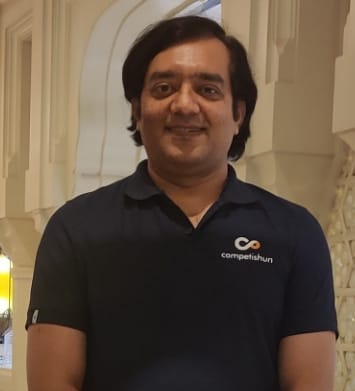
Mohit Tyagi Sir & Competishun: JEE Teaching Journey & Success
For thousands of JEE aspirants, finding the right teacher is an important part of the preparation journey. Among the educators who have built a strong presence in online JEE education, Mohit Tyagi Sir, popularly known as MT Sir, has established a distinctive identity through detailed Mathematics teaching, free YouTube lectures, and the development of Competishun, an education platform focused on structured preparation for competitive examinations.
With an academic background from IIT Delhi and decades of teaching experience, Mohit Tyagi Sir has combined traditional teaching expertise with digital education to reach students beyond the limitations of physical classrooms. Today, his teaching ecosystem includes free educational content on YouTube as well as structured courses, mentorship and preparation resources through Competishun.
Who Is Mohit Tyagi Sir?
Mohit Tyagi Sir is an IIT Delhi alumnus and Mathematics educator known primarily for his contribution to JEE preparation. Competishun’s current faculty profile lists him as a B.Tech graduate from IIT Delhi with 25 years of teaching experience. He is also the founder of Competishun.
His teaching career has focused heavily on helping students understand Mathematics for competitive examinations. Rather than limiting his teaching to conventional classroom environments, he expanded his reach through online education and YouTube.
This approach became particularly valuable for students looking for quality JEE preparation resources outside traditional coaching centres.
The YouTube Journey of Mohit Tyagi Sir
One of the most important parts of Mohit Tyagi Sir’s digital education journey has been YouTube.
The Mohit Tyagi channel has become a major source of free JEE Mathematics and preparation content. Competishun’s official website currently lists the Mohit Tyagi YouTube channel with more than 2.2 million subscribers and highlights free study resources for students.
The larger Competishun ecosystem also provides free lectures covering the JEE syllabus across Physics, Chemistry and Mathematics. An earlier Competishun YouTube description stated that students could access complete syllabus lectures for free and learn from experienced faculty.
For students, this model changed an important part of online preparation: learning could begin before purchasing a course.
A student could watch lectures, understand the teaching methodology, solve questions and decide whether the approach suited their preparation style.
From Individual Teacher to Competishun
The bigger transformation came when Mohit Tyagi’s teaching philosophy evolved into a broader educational platform.
Competishun was built around a team of experienced educators rather than a single teacher. Its current faculty includes Mohit Tyagi Sir for Mathematics, Amit Bijarnia Sir for Physics, Alok Kumar Sir for Physical and Inorganic Chemistry, and Neeraj Saini Sir for Organic Chemistry.
This created a complete academic ecosystem for JEE aspirants.
Instead of searching for separate teachers for every subject, students could access a coordinated preparation system covering:
JEE Main preparation
JEE Advanced preparation
Mathematics, Physics and Chemistry
Practice and testing
Doubt solving
Mentorship
Study planning
Performance improvement
Competishun’s current course pages describe this approach as a complete preparation system rather than simply a collection of lectures.
What Makes Mohit Tyagi Sir Popular Among JEE Aspirants?
A major reason for Mohit Tyagi Sir’s popularity is his emphasis on conceptual learning.
JEE Mathematics requires more than memorising formulas. Students need to understand concepts, identify patterns, apply mathematical reasoning and solve unfamiliar problems.
His online lectures have therefore become a resource for students who prefer detailed academic content and want to build their mathematical foundation systematically.
The availability of free educational material also gives students an opportunity to evaluate the teaching style before committing to a structured programme.
That combination of free learning + experienced faculty + structured courses has helped create a strong digital education brand around Mohit Tyagi Sir and Competishun.
Competishun’s Approach to JEE Preparation
Modern JEE preparation requires more than watching lectures.
Students need a system that helps them decide what to study, when to revise, how to practice and how to identify weak areas.
Competishun’s current programmes combine teaching with components such as structured planning, daily practice, testing, doubt support and mentorship. Its website also highlights one-on-one mentorship and daily doubt-solving as parts of its preparation ecosystem.
This is an important distinction between a simple YouTube channel and a complete online coaching platform.
YouTube can provide access to knowledge, but a structured preparation system can help students organise that knowledge into a long-term study plan.
Mohit Tyagi Sir and the Growth of Online JEE Education
Mohit Tyagi Sir’s journey also reflects a larger transformation taking place in India’s education industry.
Earlier, serious JEE preparation was strongly associated with physical coaching centres. Today, students can access lectures, practice material, tests, mentorship and educational communities from their homes.
Educators such as Mohit Tyagi Sir have contributed to this shift by demonstrating how experienced teachers can use digital platforms to reach a national audience.
The Competishun model combines the reach of YouTube with the structure of an organised coaching platform. Its current website highlights JEE, NEET, BITSAT, Olympiads and other preparation options alongside its core faculty and learning resources.
Beyond YouTube: Building an Education Brand
Mohit Tyagi Sir’s journey is not only about becoming a popular teacher on YouTube. It is also an example of how an educator can build a broader education brand.
Competishun now includes online courses, apps, study resources, mentorship programmes and preparation systems. The platform also highlights student results and experiences as part of its academic ecosystem.
His public education journey has expanded beyond regular online classes as well. Competishun’s gallery records appearances including TEDx events, IIT and NIT engagements, and his participation in Shark Tank India Season 3.
These activities have helped position Mohit Tyagi Sir not simply as a Mathematics teacher but as a recognised figure in India’s digital education space.
Why Students Search for Mohit Tyagi Sir and Competishun
Searches such as “Mohit Tyagi Sir JEE preparation,” “Mohit Tyagi Maths lectures,” “Competishun JEE,” “best online JEE coaching,” and “Mohit Tyagi Sir Mathematics” reflect a common student requirement: finding trustworthy educational guidance online.
For students researching Competishun, the best approach is to understand their own learning requirements first.
A student should consider:
Their current academic level.
Whether they are preparing for JEE Main, JEE Advanced or both.
How much time remains before the examination.
Whether they need complete lectures or revision-oriented content.
Whether they require regular mentorship and doubt support.
Whether the teaching style matches their learning preferences.
There is no single coaching platform that is automatically perfect for every student. Consistency, practice, revision and disciplined execution remain critical regardless of the teacher or platform chosen.
Conclusion
Mohit Tyagi Sir’s journey from YouTube teaching to building Competishun represents the evolution of online JEE education in India. Starting with his expertise in Mathematics and expanding through digital teaching, he has created an educational ecosystem that combines experienced faculty, free online resources, structured courses, testing and mentorship.
For JEE aspirants, his YouTube lectures can serve as an accessible starting point for learning, while Competishun provides a more structured environment for students who want an organised preparation system.
Ultimately, the biggest lesson from this journey is that technology can expand the reach of great teaching. A classroom is no longer limited by four walls. With YouTube, online courses and digital learning platforms, an experienced teacher can potentially reach students across India and help them prepare for one of the country’s most competitive examinations.
For students considering Mohit Tyagi Sir or Competishun for JEE preparation, the most important step is to explore the available resources, understand the teaching methodology and choose a study system that they can follow consistently until the examination.
Nitin Vijay, popularly known across India as NV Sir, is a premier Physics educator, entrepreneur, and the Founder & CEO of Motion Education Pvt. Ltd. in Kota, Rajasthan. An alumnus of IIT BHU (Varanasi) with a B.Tech in Mechanical Engineering (Class of 2007), NV Sir is celebrated for demystifying complex concepts in classical mechanics, electrodynamics, and modern physics through visual intuition, everyday practical analogies, and infectious high-energy classroom delivery. Over the last two decades, he has mentored more than 1,00,000 students toward top ranks in IIT-JEE and NEET UG.
Pioneer of AV & Tech-integrated classroom learning in Kota
The Man Who Decoded Kota’s Physics
Kota ki coaching factory mein hazaron teachers aate hain, par kuch aise hote hain jo coaching ko bas syllabus completion nahi, ek transformative experience bana dete hain. Jab classroom ke andar mechanics ka complex concept screen par 3D visuals ke sath animate hota hai aur samne khada teacher poori classroom ko apni energetic awaaz se electrify kar deta hai—tab students samajhte hain ki Physics ratne ki cheez nahi, feel karne ka subject hai.
Yahi legacy hai Nitin Vijay (NV Sir) ki.
IIT-JEE aur NEET ke preparation ecosystem mein NV Sir ka naam kisi introduction ka mohtaaj nahi hai. Unhone us daur mein Kota mein tech-driven visual learning ka beej boya jab blackboard aur chalk hi coaching ka absolute standard tha. Aaj Motion Education ke madhyam se unka vision classroom batches se nikal kar millions of online learners tak pahunch chuka hai. Agar aap Indian coaching landscape ke baare mein gehraai se jaan rahe hain, toh hamari Kota Coaching Guide & Top Institutes Breakdown zaroor padhein.
Early Life & Family Background
Nitin Vijay ka janam aur parvarish Kota, Rajasthan mein hui. Kota us daur mein ek industrial town se desh ki coaching capital banne ke turning point par tha. Ek middle-class family se aane wale Nitin Vijay ne bachpan se hi academic discipline aur hard work ko primary value ke roop mein dekha.
Childhood Curiosity: Bachpan se hi unhe machines ke working mechanism, motion dynamics aur problem-solving ka shauk tha.
Kota Environment: Unke charo taraf IIT entrance ka craze badh raha tha, jisne unke analytical mindset ko ek solid direction di.
Supportive Family: Family ne unke academic decisions aur unke unconventional career path (engineering ke baad corporate job chhod kar teaching chunna) mein hamesha unka saath diya.
Academic Background & The IIT BHU Chapter
NV Sir ne apni primary aur secondary education Kota se complete karne ke baad country ke sabse competitive exam—IIT-JEE—ko crack kiya aur Institute of Technology, Banaras Hindu University (IIT BHU, Varanasi) mein Mechanical Engineering department mein admission liya.
IIT BHU Entrance (2003) ➔ B.Tech in Mechanical Engineering ➔ Graduated in 2007 ➔ Full-time Teaching Career
College days ke dauran hi unki natural flair for teaching display hone lagi. 2003-2007 ke beech, vacations aur weekend hours mein unhone students ko physics mentor karna start kiya. Mechanical Engineering ke core fundamentals—Thermodynamics, Fluid Dynamics, Kinematics, aur Solid Mechanics—ne unke Physics concepts ko aisi crystal clarity di jo baad mein unka signature teaching style bani.
The Career Timeline: From College Classroom to EdTech Empire
Nitin Vijay sir ka career graph ek energetic educator se ek visionary edupreneur banne ki compelling journey hai.
Year / Phase
Milestone & Career Development
2003 – 2007
IIT BHU se Mechanical Engineering karte hue early teaching shuru ki.
2006 – 2007
Bansal Classes aur Kota ke renowned institutes mein teaching assignment start kiya.
December 2007
Motion Education ki neev rakhi ek chote se setup ke sath Kota mein.
Motion Learning App aur YouTube platform par digital revolution lead kiya.
2021 – Present
Hybrid Learning Centers, AI-driven assessment systems aur pan-India franchise expansion.
Unki journey ko samajhne ke liye aap hamari curated list of Top Physics Teachers of India dekh sakte hain, jahan NV Sir ka pedagogical framework detailed comparison ke sath cover kiya gaya hai.
Founding Motion Education: A Vision Beyond Rote Learning
December 2007 mein jab Nitin Vijay ne Motion IIT-JEE (ab Motion Education) launch kiya, tab Kota mein pehle se hi bade established institutions ka dabdaba tha. Par NV Sir ne ek critical gap identify kiya:
Passive Learning vs. Active Visualization: Traditional classes mein physics theory heavy aur abstract rehti thi.
Student-Teacher Distance: Bade batches mein average students isolate ho jaate the.
Absence of Technology: Coaching materials static printing tak seemit the.
NV Sir ne Motion ko ek student-centric model par design kiya jahan Daily Practice Problems (DPPs), adaptive test papers, aur animated conceptual modules ne teaching ko interactive banaya. Unka vision tha ki har wo student jo tier-2 ya tier-3 shehar se aata hai, use wahi quality guidance mile jo Kota ke top batch toppers ko milti hai.
Teaching Philosophy & The “NV Sir Style” of Physics
Physics aksar aspirants ke liye sabse intimidating subject hota hai kyunki isme mathematics aur physical reality ka intersection hota hai. NV Sir ka approach is dar ko systematically khatam karta hai.
1. Visualization Before Equations
NV Sir seedhe formula likhwane ke bajaye physical phenomenon imagine karwate hain. Agar Newton’s Laws of Motion padha rahe hain, toh elevator ka acceleration, friction block ka sliding effect, ya inclined plane par gravity ka component pehle board par visualize karwaya jata hai.
2. High Energy Classroom Delivery
Unki classes passive lectures nahi hotin. Unka voice modulation, body language aur comedic punchlines classroom ko pure 90 minutes tak active rakhte hain.
3. Systematic Concept Layering
Level 1 (Intuition): Real-world example (e.g., car turning on a banked road).
Level 2 (Free Body Diagrams): Clear force vectors and boundary conditions.
Level 3 (Mathematical Formulation): Clean calculus and algebraic derivation.
NV Sir ka command classical se modern physics tak evenly distributed hai, lekin kuch specific topics hain jahan unka pedagogy standard benchmark maana jata hai:
Rotational Dynamics: Moment of inertia, rolling without slipping, angular momentum conservation.
Electrodynamics & Magnetism: Electric field vectors, Gauss’s law flux interpretation, electromagnetic induction with Lenz’s law logic.
Modern Physics: Photoelectric effect, Bohr’s model atomic spectra, nuclear fission/fusion dynamics.
YouTube & Digital Learning Revolution
Internet ke saste hone ke sath, Kota classroom ki boundaries tut gayi. Motion Education aur NV Sir ke official lecture clips ne YouTube par viral hit hona start kiya.
Animation-Rich Short Videos: Complex concepts jaise Coriolis Force ya Doppler Effect ko micro-videos ke jariye simple banana.
One-Shot Revision Sessions: Exam se pehle 6 se 8 ghante ke continuous marathon sessions jo lakhs of JEE & NEET aspirants ke liye go-to revision source ban chuke hain.
Real Talk & Motivation: Academic guidance ke alawa mental health, exam anxiety, aur stress management par unke candid sessions students ko psychological strength dete hain.
Official verifiable academic content ke liye aap IIT BHU Alumni Network aur Motion Education ke digital portals ko explore kar sakte hain.
Books, Notes & Study Material
NV Sir ke classroom lecture notes aur study modules JEE aspirants ke beech widely circulated hain:
NV Sir Class Notes (Physics): Structured handwritten class lecture compilations jo theory ko illustrative solved examples ke sath cover karte hain.
Rank Booster Question Banks: Special high-difficulty problems designed specifically for top-500 JEE Advanced aspirants.
Impact on Kota Coaching Ecosystem & Indian Education
NV Sir ka role sirf ek coaching founder tak seemit nahi hai; unhone pure Kota educational landscape par ek lasting impact chhoda hai:
Standardization of Animation in STEM: Kota ke classroom delivery mein technology integration ko benchmark banaya.
Mentorship Culture: Teachers ko accessible aur friendly guide ke roop mein position kiya, removing the traditional fear barrier.
Democratization of JEE Coaching: Digital app platforms ke through remote villages ke bachhon tak Kota quality content affordably deliver kiya.
Frequently Asked Questions
1. Who is NV Sir?
NV Sir (Nitin Vijay) is a renowned Indian Physics educator, motivational mentor, and the Founder & Managing Director of Motion Education, Kota.
2. What is Nitin Vijay sir’s educational qualification?
He completed his B.Tech in Mechanical Engineering from the prestigious IIT (BHU) Varanasi in 2007.
3. Which subject does NV Sir teach?
He specializes in Physics for competitive examinations including JEE Main, JEE Advanced, NEET UG, and International Physics Olympiads.
4. When was Motion Education founded by NV Sir?
Motion Education was founded by Nitin Vijay in December 2007 in Kota, Rajasthan.
5. Why is NV Sir so popular among JEE and NEET aspirants?
His popularity stems from his dynamic lecturing style, intuitive conceptual animations, relatable daily-life analogies, and high motivational energy.
6. Where is NV Sir currently teaching?
He actively teaches at Motion Education’s Kota headquarters and provides digital lectures through the Motion Learning App and YouTube.
7. What is NV Sir’s teaching approach for Physics?
He emphasizes visual simulations, clear Free Body Diagrams (FBDs), and real-life intuition before diving into mathematical derivations.
8. Did NV Sir work at Bansal Classes?
Yes, during the early stage of his career around 2006–2007, he taught at renowned coaching centers including Bansal Classes Kota.
9. Can students from Hindi medium understand NV Sir’s lectures?
Yes, his lectures use accessible conversational Hinglish that bridges English technical terms with intuitive Hindi explanations.
10. Does NV Sir provide free video lectures?
Yes, hundreds of concept videos, marathon revisions, and problem-solving sessions are available freely on the Motion Education YouTube channel.
11. What is the Motion Learning App?
It is the official EdTech platform of Motion Education offering recorded video lectures, live classes, adaptive practice tests, and DPPs curated under NV Sir’s guidance.
12. What are NV Sir’s core topics of expertise in Physics?
He is particularly acclaimed for Mechanics (Rotational Motion, Newton’s Laws), Electromagnetism, Optics, and Thermodynamics.
13. What is NV Sir’s date of birth?
Nitin Vijay was born on January 6, 1984, in Kota, Rajasthan.
14. What are NV Sir Physics Notes?
These are structured classroom lecture notes containing conceptual derivations, shortcut techniques, and graded problems from JEE Main to Advanced level.
15. How many students has NV Sir mentored?
Over his 18+ years of teaching, he has mentored more than 1,00,000 students directly and millions online.
16. Is NV Sir also a motivational speaker?
Yes, he frequently delivers seminars on stress management, focus building, strategy planning, and academic productivity for teenagers and parents.
17. How can I enroll in NV Sir’s classroom courses?
Admissions are open through the Motion Education official website via entrance scholarships (such as MUST) or direct enrollment.
18. Does NV Sir teach NEET Physics as well?
Yes, his simplified mechanics and electrodynamics conceptual frameworks are tailored for both JEE (high-math) and NEET (speed & precision) formats.
19. What makes Motion Education different from other Kota institutes?
Motion stands out for its personalized batch management, high teacher accessibility, custom AI-driven performance tracking, and proprietary study material.
20. What is NV Sir’s advice for students struggling with Physics?
His core advice is: “Stop memorizing formulas blindly. Draw the diagram, visualize the physical interaction, and let mathematics serve your intuition.”
Final Verdict
Nitin Vijay (NV Sir) ka safar ek regular engineering student se desh ke top educator banne tak ka practical pramaan hai ki passion aur pedagogy jab milte hain, toh generation-defining impact banta hai. Unhone Physics ko boring formulas ki jail se nikaal kar ek lively, visual aur exciting subject banaya.
Chahe aap JEE Main crack karne ka sapna dekh rahe hon ya NEET UG mein top score aim kar rahe hon, NV Sir ke structured physics conceptual frameworks aapke preparation ko solid analytical foundation provide karte hain.
Indian coaching industry hamesha se high fees aur metro-centric coaching centers ke liye jani jaati rahi hai. Ek ordinary middle-class family ke student ke liye Kota, Delhi ya Hyderabad jaakar lakhs of rupees spend karna hamesha se ek tough challenge raha hai. Isi gap ko bridge karne ka decision liya ek passionate teacher ne jiska naam hai Alakh Pandey.
Alakh Pandey ka vision clear tha: “Education par sabka barabar haq hai, chahe koi ameer ho ya gareeb.” Prayagraj ki ek chhoti si coaching class se shuru hua ye safar pehle ek YouTube channel bana, aur dekhte hi dekhte India ka ek sabse bada educational movement ban gaya jise aaj hum Physics Wallah (PW) ke naam se jante hain.
Early Life, Family Background & Financial Hardships
Alakh Pandey ki story koi overnight success nahi hai; iske peeche saalo ka relentless struggle aur economic challenges hain.
Family Struggles: Alakh Pandey ka bachpan Prayagraj me beeta. Unke father ka naam Satish Pandey aur mother ka naam Rajat Pandey hai. Ek samay par unki family ko severe financial crisis ka saamna karna pada, jiske chalte unhe apna ghar tak bechna pada tha.
Early Tutoring Days: Financial crisis ke dauraan unhone Class 8 me padhte waqt Class 3 aur 4 ke bachho ko home tuition padhana shuru kiya. Jab wo Class 11 me pahuche, toh wo Class 9 ke students ko coaching institutes me padhane lage the.
Passion for Drama & Acting: School aur college days me Alakh Sir ko street plays (Nukkad Natak) aur acting ka bohot shauk tha. Unka ye dramatic flair, dialogue delivery aur expressive communication aage chalkar unke signature teaching style ka base bana.
Educational Background & The Turning Point
Alakh Pandey ne apni early schooling Bishop Johnson School and College, Prayagraj se complete ki. Wo academics me hamesha se sharp aur conceptual thinker the.
Engineering Enrollment: School complete karne ke baad unhone Harcourt Butler Technological Institute (HBTI), Kanpur me Mechanical Engineering me admission liya.
The Decision to Drop Out: College me padhte waqt unhe realize hua ki formal college curriculum unke core passion—teaching aur conceptual physics—se match nahi kar raha tha. Third year ke baad unhone engineering chhodne (drop out karne) ka daring decision liya aur completely full-time teaching me plunge kar gaye.
Offline Coaching Stint: Prayagraj wapas aakar unhone local coaching centers jaise Achievers Academy me physics padhana start kiya, jaha wo offline students ke beech apne simple real-life analogies ke liye popular ho gaye.
Chronological Timeline: The Rise of Physics Wallah
Consistent video uploads shuru hue; Class 10/11/12 NCERT concepts par detailed content deliver kiya.
2018 – 2019
Channel cross kar gaya 1 Million+ subscribers. Dedicated batches ki demand increase hui.
2020
Prateek Maheshwari ke sath collaborate karke official Physics Wallah App launch kiya; Lakshay & Yakeen batch introduced.
2021
Hybrid offline ecosystem PW Pathshala aur Vidyapeeth centres launch hue across major cities.
2022
$100 Million funding raise ki from WestBridge Capital and GSV Ventures; Company valued at $1.1 Billion (101st Unicorn).
2023 – Present
Multi-exam expansion: UPSC, Gate, SSC, State Boards, Skilling, aur School initiatives launch kiye.
The Birth of Physics Wallah: From YouTube Channel to Revolution
YouTube par initial days me views bohot limited aate the, lekin Alakh Sir ne consistent delivery maintain rakhi. Unke pass na expensive camera tha, na high-end studio; ek simple whiteboard aur mobile camera se unhone physics ke complex derivations ko simplify karna start kiya.
Democratizing JEE/NEET: Students ko realize hua ki jo content wo high-cost coaching me padhte hain, wahi concepts Alakh Sir YouTube par complete clarity aur animated expressions ke sath free me explain kar rahe the.
The Masterstroke: App Launch & Affordable Batch Disruption
Jab COVID-19 pandemic ke dauraan online learning ki demand peak par thi, tab other EdTech platforms high pricing tiers adopt kar rahe the. Alakh Pandey ne exact opposite approach chuna.
₹999 – ₹4000 Pricing Model: Industry me standard course prices jaha ₹40,000 se ₹1,00,000 the, wahi PW ne complete full-year live crash courses aur structured batches (Lakshay, Udaan, Arjuna, Yakeen) sirf ₹1,500 se ₹4,000 me provide kiye.
Tech Scalability with Prateek Maheshwari: Co-founder Prateek Maheshwari ne technology backend build kiya jo simultaneous millions of live concurrent students ka traffic handle kar sake.
Teaching Philosophy & Unique Methodology
Alakh Pandey ka teaching style conventional classrooms se bilkul alag hai. Unki pedagogy ke teen core pillars hain:
                  ┌───────────────────────────────┐
                  │   Alakh Pandey Pedagogy       │
                  └──────────────┬────────────────┘
                                 │
         ┌───────────────────────┼───────────────────────┐
         ▼                       ▼                       ▼
┌──────────────────┐   ┌───────────────────┐   ┌───────────────────┐
│ Real-Life Analogies│  │ High Energy & Drama │  │ Empathy for Weak  │
│ (Desi Examples)  │   │ (Engaging Delivery)│  │ Students (Zero-Up)│
└──────────────────┘   └───────────────────┘   └───────────────────┘
Zero-Level Teaching: Wo assume nahi karte ki student ko sab pehle se pata hai. Wo basic units aur mathematical vectors se shuru karke advanced level numericals tak step-by-step le jaate hain.
Emotional Connection (Bache Apne Hain): Class me padhate waqt unka famous phrase “Hello Bachhooo!” students ke liye ek trust aur comfort signal ban chuka hai.
Pressure Relief & Motivation: Strict academic pressure ke beech wo self-belief, consistency aur mental resilience par regularly guidance deliver karte hain.
Major Courses & Educational Offerings by Physics Wallah
Physics Wallah ne schooling se lekar national recruitment exams tak apna curriculum expand kiya hai:
Foundation (Class 6 – 10): Udaan, Neev batches jo basic board foundation aur Olympiad skills target karte hain.
Medical (NEET-UG): Arjuna NEET, Lakshya NEET, aur Yakeen (Dropper Batch).
Government & Professional Exams: PW OnlyIAS (UPSC Civil Services), PW GATE Wallah, Banking Wallah, aur Commerce Wallah.
Offline Vidyapeeth Network: 100+ cities me tech-enabled offline classrooms jaha personalized doubt engines aur daily practice problems (DPPs) diye jaate hain.
Awards, Industry Recognition & Financial Milestones
EdTech Unicorn Status (2022): WestBridge Capital aur GSV Ventures se $100 Million raise karke profitable tech unicorn bane.
Times 40 Under 40 & Global Accolades: Indian education space me disruptive impact create karne ke liye multiple national media platforms dwara honored.
Case Studies in Business Schools: Unke ultra-low customer acquisition cost (CAC) aur organically driven community model par premium business institutions me case studies conduct ki jaati hain. Unke broader corporate milestones aur historical business context ke liye aap verified Wikipedia profile on Physics Wallah par reference check kar sakte hain.
Alakh Pandey ne Physics Wallah kab shuru kiya?
Physics Wallah ko Alakh Pandey ne official YouTube channel ke roop me 2014 me create kiya tha, jabki official dedicated mobile learning application 2020 me release kiya gaya.
Physics Wallah ka pehla paid batch konsa tha?
PW ka pehla major hit online structured batch Lakshya Batch (Class 12 Board + JEE/NEET) tha, jiska nominal fees structure roundly ₹999 rakha gaya tha.
Alakh Pandey ka native place kahan hai?
Alakh Pandey ka birth aur primary education Prayagraj (Allahabad), Uttar Pradesh me hua.
Frequently Asked Questions
1. Alakh Pandey kaun hain?
Alakh Pandey ek Indian physics educator aur EdTech platform Physics Wallah (PW) ke Founder & CEO hain, jo affordable competitive exam preparation ke liye jane jate hain.
2. Kya Alakh Pandey ne IIT crack kiya tha?
Nahi, Alakh Pandey ne HBTI Kanpur (Mechanical Engineering) me admission liya tha, jaha se unhone 3rd year ke baad teaching passion pursue karne ke liye dropout kar diya tha.
3. Physics Wallah ki success ka main secret kya hai?
High-quality conceptual teaching, ultra-affordable pricing, transparent communication aur deep student-teacher emotional connect.
4. Alakh Pandey ke co-founder kaun hain?
Physics Wallah ke co-founder Prateek Maheshwari hain, jo technology and operational systems lead karte hain.
5. PW Vidyapeeth kya hai?
PW Vidyapeeth Physics Wallah ka tech-enabled offline classroom coaching model hai jisme smart interactive screens, hybrid doubt-solving aur physical mentors provide kiye jaate hain.
6. Physics Wallah ki net worth aur valuation kitni hai?
Physics Wallah 2022 me $1.1 Billion valuation ke sath Unicorn ban chuka tha. Subsequent growth aur expansion ke sath valuation continuously upgrade hui hai.
7. Kya Alakh Pandey abhi bhi padhate hain?
Administrative aur business expansion roles handle karne ke bavajood Alakh Sir time-to-time special one-shot lectures, motivational sessions aur foundational batches me live classes lete hain.
8. Alakh Pandey ki wife ka naam kya hai?
Alakh Pandey ne journalist Shivani Dubey se early 2023 me shaadi ki.
9. Kya Physics Wallah sirf online mode me available hai?
Nahi, Physics Wallah online app ke sath-sath 100+ cities me offline Vidyapeeth aur hybrid Pathshala centers operate karta hai.
10. Alakh Pandey ke teaching methodology ki kya specialty hai?
Wo physics ke complex vector, rotational mechanics aur quantum formulas ko daily desi situations aur relatable storytelling ke sath connect karte hain.
11. Physics Wallah app par free content available hai?
Haan, PW ke YouTube network aur app par hazaro hours ka free educational content, NCERT solutions aur practice modules available hain.
12. Physics Wallah UPSC exam ke liye guidance deta hai?
Haan, PW OnlyIAS initiative ke through civil services aspirants ko affordable Hindi aur English medium guidance provide ki jaati hai.
13. Alakh Pandey ne kitne saal offline coaching me padhaya?
YouTube par successful hone se pehle unhone Prayagraj ke offline institutes me lagbhag 5 se 6 saal continuously classes li thi.
14. Physics Wallah books aur study material provide karta hai?
Haan, PW publication physics, chemistry, biology aur mathematics ke detailed question banks, previous year questions (PYQs) aur formula handbooks publish karta hai.
15. Kya Physics Wallah profitable startup hai?
Haan, majority heavily funded EdTech startups ke comparison me Physics Wallah early stages se profitable unit economics maintain karne ke liye jaana jaata hai.
Unka goal tha ki unka content paywalls ke peeche lock na ho aur har gaon/kasbe ka student high fees ke pressure ke bina study kar sake.
17. PW me doubt resolution kaise hota hai?
Doubt solving engines, dedicated “Saarthi” mentors aur live class interactive features ke zariye step-by-step doubt resolution provide kiya jata hai.
18. Alakh Pandey ki favorite book/material kya raha hai?
Wo HC Verma ki Concepts of Physics aur standard NCERT textbooks ko physics conceptual foundation ke liye gold standard maante hain.
19. Kya PW foreign education ya medical licensing exams cover karta hai?
PW ne nursing, USMLE, aur foreign medical graduate exams (FMGE) ke liye specialized categories open ki hain.
20. Students Physics Wallah ko ek emotion kyu kehte hain?
Kyunki platform ne un students ko quality education provide ki jo expensive metro coachings afford nahi kar sakte the, jisse unme deep loyalty develop hui.
Final Verdict & Conclusion
Alakh Pandey ki story ye prove karti hai ki jab authenticity, extreme dedication aur student-first mindset ho, toh ek single individual poore country ke coaching ecosystem ko transform kar sakta hai. Ek simple whiteboard se shuru hokar India ka 101st Unicorn banane tak ka safar Indian startup ecosystem ka ek benchmark ban chuka hai.
Unka ye safar sirf ek business success story nahi hai, balki un millions of students ke sapno ka symbol hai jo financial constraints ke bawajood national level exams me top ranks achieve kar rahe hain.
Join the Journey
Agar aap educational leaders, visionary teachers aur unke inspirational teaching frameworks par in-depth analysis padhna chahte hain, toh explore karein The Educators Journey. Apne thoughts aur favorite Alakh Sir memory niche comments me zaroor share karein!
UPSC Civil Services Examination me Political Science and International Relations (PSIR) hamesha se ek high-yield optional subject raha hai. Iska direct overlap General Studies Paper 2 (Polity, Governance, Social Justice, International Relations), GS Paper 4 (Ethics, Thinkers & Applied Philosophy), aur Essay Paper ke sath hota hai.
Lekin PSIR ka syllabus vast aur deeply conceptual hai. Yahan superficial reading se marks score nahi hote. Aapko abstract political philosophy (Plato, Machiavelli, Gramsci) se lekar dynamic dynamic geopolitics (Indo-Pacific strategies, Minilateralism, WTO deadlocks) ko seamlessly integrate karna hota hai.
Is conceptual bridge ko master karne ke liye Delhi ke Mukherjee Nagar me Dr. Rajesh Mishra aur unka institute Saraswati IAS ek benchmark ban chuke hain. Chahe Hindi medium ke aspirants hon ya English medium ke students jo deep theoretical clarity chahte hain, Rajesh Mishra Sir ka structural pedagogical approach UPSC aspirants ke beech widely respected hai.
Explore The Educator’s Journey for more comprehensive pedagogical analyses and educator breakdowns across competitive civil services examinations.
Who is Dr. Rajesh Mishra? Profile & Core Competencies
Dr. Rajesh Mishra ek seasoned academician, author aur educator hain jinhone two decades se zyada time civil services aspirants ko mentor karne me spend kiya hai. Delhi University se apni academic foundation develop karne ke baad, inhone political theory, constitutional dynamics, aur contemporary diplomacy ko simplified frameworks me translate kiya.
+--------------------------------------------------------------------+
|               DR. RAJESH MISHRA : CORE PROFILE AT A GLANCE         |
+----------------------+---------------------------------------------+
| Parameter            | Details                                     |
+----------------------+---------------------------------------------+
| Full Name            | Dr. Rajesh Mishra                           |
| Mentoring Domain     | UPSC Civil Services Examination (CSE)       |
| Primary Subject      | PSIR (Optional), GS Paper 2 (Polity & IR)   |
| Institute / Platform | Saraswati IAS (Mukherjee Nagar, New Delhi)  |
| Educational Legacy   | Ph.D. / M.Phil (Delhi Academic Circle)      |
| Primary Medium       | Hindi & Bilingual (Hinglish)                |
| Experience           | 20+ Years in Classroom & Mentorship         |
| Core Publications    | Bhartiya Shashan Evam Rajniti, PSIR Comp.   |
| Pedagogy Style       | Structural Thinker-Mapping, Logic-Driven    |
+----------------------+---------------------------------------------+
Academic & Pedagogical Journey
Phase / Year
Milestone & Academic Contribution
Foundational Years
Advanced political theory aur research work Delhi University ke intellectual ecosystem me complete kiya.
Establishment of Saraswati IAS
Mukherjee Nagar me dedicated PSIR optional classroom platform start kiya jahan Hindi medium aspirants ko quality content deliver kiya gaya.
Literary Works
Saraswati Prakashan aur standard publications ke through Bhartiya Rajvyavastha aur Rajniti Vigyan par multi-volume books publish keen.
Digital Expansion
Hybrid learning, online recorded modules, and interactive answer writing platforms introduce kiye for pan-India aspirants.
The Saraswati IAS Pedagogy: Core Philosophy
Rajesh Mishra Sir ki teaching ideology is grounded on three core principles:
Theoretical De-abstraction (सिद्धांतों का सरलीकरण): Abstract political doctrines (jaise Rawls ka Theory of Justice ya Hegel ka Dialectics) ko plain, logical examples se explain karna.
Inter-Sectional Linkage (अंतर-विषयक जुड़ाव): Paper 1 Part A (Philosophers) ke arguments ko Paper 2 Part B (Foreign Policy) me leverage karna. For example, Kautilya ya Thucydides ke Realism ko modern India-China border disputes ke sath analyze karna.
Structured Answer Architecture: GS-type point format answers se hatkar core optional standard ke analytical, balanced paragraphs aur conceptual flow build karwana.
PSIR do papers me divided hota hai (250 Marks each, Total = 500 Marks). Rajesh Mishra Sir ka framework syllabus ko four analytical quadrants me decode karta hai:
                          PSIR 500-MARK MASTERY BLUEPRINT
                                         |
            +----------------------------+----------------------------+
            |                                                         |
     PAPER 1 (250 Marks)                                       PAPER 2 (250 Marks)
            |                                                         |
     +------+------+                                           +------+------+
     |             |                                           |             |
  SECTION A     SECTION B                                   SECTION A     SECTION B
(Pol. Theory  (Indian Gov                                (Comparative   (India & The
 & Thinkers)   & Politics)                                & Global IR)     World)
Paper 1: Section A – Political Theory & Thinkers (The Engine of PSIR)
Ye section pure paper ka base hai. Agar aapka Section A solid hai, to baaki teen sections me conceptual authority show karna aasan ho jata hai.
                        SECTION A: THE THINKER SPECTRUM
                                         |
     +-----------------+-----------------+-----------------+-----------------+
     |                 |                 |                 |                 |
  Ancient           Western            Indian          Marxist &         Feminist &
 Classical         Liberalism         Thinkers        Structural        Contemporary
     |                 |                 |                 |                 |
• Plato           • John Locke      • Kautilya        • Karl Marx       • Simone de
• Aristotle       • J.S. Mill       • M.K. Gandhi     • Gramsci           Beauvoir
• Machiavelli     • John Rawls      • B.R. Ambedkar   • Habermas        • Hannah Arendt
• Hobbes          • Isaiah Berlin   • Sri Aurobindo   • Althusser       • Amartya Sen
Core Focus Areas:
Political Ideas: Justice, Equality, Rights, Liberty, Sovereignty, Democracy, and Power.
Western Thinkers: Plato, Aristotle, Machiavelli, Hobbes, Locke, Mill, Marx, Gramsci, Hannah Arendt, John Rawls.
Indian Political Thought: Kautilya, Gandhi, B.R. Ambedkar, M.N. Roy, Sri Aurobindo.
Political Ideologies: Liberalism, Socialism, Marxism, Fascism, Gandhism, Feminism.
Rajesh Mishra Sir’s Strategy for Section A:
Thinker vs. Thinker Comparative Tables: Sir recommend karte hain ki har thinker ka core thesis doosre contemporary ya opposing thinker ke context me study karein (e.g., Plato’s Idealism vs. Aristotle’s Realism; Locke’s Natural Rights vs. Bentham’s Utilitarian critique).
The “Quote-Context-Critique” Triad: Answer likhte waqt direct quote se shuru karein, uska contemporary context explain karein, aur scholarly counter-arguments (jaise feminist critique ya communitarian critique) ke sath finish karein.
Paper 1: Section B – Indian Government and Politics (IGP)
IGP section standard GS-2 Polity se deeply alag hota hai. GS-2 administrative aur constitutional aspects par focus karta hai, jabki PSIR Section B political sociodynamics, historical evolution, aur theoretical critique par based hota hai.
Concepts: Balance of Power, Collective Security, Deterrence, Transnational Actors, Globalization, Global Governance institutions (UN, IMF, WTO, World Bank).
Strategy Blueprint:
Jab bhi dynamic global issues par question aaye (jaise Ukraine conflict, US-China competition, Global South assertions), start with an IR Theory. Realist lens kya kehti hai? Constructivist lens kya analyze karti hai? Ye framing high marks fetch karti hai.
Paper 2: Section B – India and the World (India’s Foreign Policy)
Ye PSIR ka sabse dynamic aur current-affairs driven component hai.
                         INDIA'S FOREIGN POLICY DIMENSIONS
                                         |
     +-----------------+-----------------+-----------------+-----------------+
     |                 |                 |                 |                 |
  Historical         Regional          Major Power        Global South      Multilateral
 Evolution           Neighborhood       Equations         & Multipolar       Institutions
     |                 |                 |                 |                 |
 NAM, Non-         Neighborhood     • US-India         • Indo-Pacific     • UN Security
 Alignment 2.0,   First Policy,     • Russia Matrix    • BRICS+, IBSA       Council Reforms
 Strategic         SAARC vs.        • China Enigma     • Global South     • WTO, Climate
 Autonomy          BIMSTEC          • European Ties      Leadership         Diplomacy
High-Yield Topics:
Drivers of Indian Foreign Policy: History, Geography, Culture, Nuclear Doctrine.
India and its Neighborhood: South Asia, Border Disputes, Connectivity initiatives.
Great Power Relations: USA, China, Russia, EU, Japan.
Global South engagements: Africa, Latin America, West Asia (Look West, I2U2).
India’s Negotiations in Multilateral Forums: WTO, UNFCCC, G20, BRICS, SCO.
Recommended Booklist & Resource Matrix
To build standard conceptual breadth, combine Dr. Rajesh Mishra’s class lectures and foundational textbooks. Cross-reference your syllabus with the official UPSC CSE Syllabus to track boundary conditions.
+-----------------------------------------------------------------------------------------+
|                              COMPREHENSIVE PSIR RESOURCE MATRIX                         |
+----------------------+---------------------------------+--------------------------------+
| Syllabus Section     | Core Base Material              | Advanced Reference Books       |
+----------------------+---------------------------------+--------------------------------+
| Paper 1: Part A      | • Saraswati IAS Class Notes     | • Western Thinkers: Brian      |
| (Theory & Thinkers)  |   (Rajesh Mishra Sir)           |   Nelson / O.P. Gauba          |
|                      | • Rajniti Siddhant (O.P. Gauba) | • Political Theory: Andrew     |
|                      | • Political Theory (Rajeev      |   Heywood                      |
|                      |   Bhargava)                     | • Indian Thinkers: V.R. Mehta  |
+----------------------+---------------------------------+--------------------------------+
| Paper 1: Part B      | • Saraswati IAS IGP Booklets    | • Oxford Companion to Indian   |
| (Indian Govt &       | • Bhartiya Rajvyavastha         |   Politics (Mehta & Jayal)     |
|  Politics)           |   (Rajesh Mishra / Laxmikanth)  | • Politics in India (Rajni     |
|                      | • Subhash Kashyap (Our Cons.)   |   Kothari / Atul Kohli)        |
+----------------------+---------------------------------+--------------------------------+
| Paper 2: Part A      | • Saraswati IAS Comp & IR Notes | • Global Politics (Andrew      |
| (Comparative & IR    | • Antarrashtriya Rajniti        |   Heywood)                     |
|  Theories)           |   (Khanna / Pant / Gauba)       | • Globalization of World       |
|                      |                                 |   Politics (Baylis & Smith)    |
+----------------------+---------------------------------+--------------------------------+
| Paper 2: Part B      | • Saraswati IAS Current Module  | • Does the Elephant Dance?     |
| (India & The World)  | • The Hindu / Indian Express    |   (David Malone)               |
|                      |   (Diplomatic Columns)          | • The India Way / Why Bharat   |
|                      | • MEA Official Briefings        |   Matters (S. Jaishankar)      |
+----------------------+---------------------------------+--------------------------------+
The Rajesh Mishra Model of Answer Writing
PSIR answer writing me plain facts likhne se average marks (200–220) aate hain. 300+ cross karne ke liye answers me academic density aur structural flow hona compulsory hai.
+----------------------------------------------------------------------------+
|                  THE 4-STAGE PSIR ANSWER STRUCTURING FRAMEWORK             |
+----------------------------------------------------------------------------+
|                                                                            |
|  STAGE 1: THE PHILOSOPHICAL CONTEXT (15% of length)                       |
|  • Define core premise via fundamental theory or academic thinker          |
|  • Contextualize question's structural origin                              |
|                                                                            |
|  STAGE 2: DIALECTICAL ARGUMENTATION (40% of length)                        |
|  • Thesis presentation (Arguments in favor / primary dynamics)             |
|  • Scholar references (Rawls, Morgenthau, Kothari, Amartya Sen)           |
|                                                                            |
|  STAGE 3: COUNTER-THESIS & SCHOLARLY CRITIQUE (30% of length)             |
|  • Critical evaluation (Marxist, Feminist, Subaltern, Realist counters)    |
|  • Structural limitations / Real-world divergences                         |
|                                                                            |
|  STAGE 4: SYNTHESIS & APPLIED FUTURISTIC CONTEXT (15% of length)           |
|  • Forward-looking constitutional or diplomatic way forward                |
|  • Direct alignment with contemporary Indian/Global policy paradigm        |
|                                                                            |
+----------------------------------------------------------------------------+
Essential Elements of a 300+ PSIR Answer:
Direct Scholar Anchoring: Har theoretical answer me minimum 2–3 authentic scholars quote hone chahiye.
Contemporary Re-contextualization: Ancient ya Modern ideas ko aaj ke events se connect karein (e.g., Gramscian Hegemony applied to global Big Tech platforms, ya Machiavelli’s Realism applied to energy security policies).
Avoid Pure GS-2 Tonality: Sir hamesha warn karte hain ki PSIR answers me bullet points ki over-simplification mat karein; analytic paragraphs with well-reasoned logical connectors balance preserve karte hain.
Saraswati IAS (Delhi) multiple program formats run karta hai:
Comprehensive PSIR Foundation Course: 4 to 5 months extensive coverage including complete Paper 1 & Paper 2 lectures, personal doubt clearing sessions, and comprehensive printed study material.
Mains Test Series with Personalized Mentorship: Timed, UPSC-standard simulation tests with direct evaluation, model answer frameworks, and structural feedback.
Crash Courses & Current Affairs Value Addition: Specially designed for students appearing in immediate Mains, focusing on dynamic geopolitical shifts, new publications, and theoretical applications.
Postal Study Materials & Distance Mentorship: Non-Delhi residents ke liye updated, self-contained classroom booklet sets with direct postal delivery.
+----------------------------------------------------------------------------+
|                      STUDENT PERSPECTIVES & FEEDBACK                       |
+------------------------------------+---------------------------------------+
| Key Strengths (Pros)               | Considerations (To Plan Ahead)        |
+------------------------------------+---------------------------------------+
| • Exceptional command on Western   | • Fast lecture delivery requires      |
|   & Indian Political Thought       |   active daily revision.              |
| • Gold-standard material for       | • Highly conceptual discussions       |
|   Hindi medium UPSC aspirants.     |   demand pre-reading of basics.       |
| • Direct integration of classical  | • Current affairs modules in IR       |
|   theories with contemporary cases.|   demand continuous self-updating     |
| • Structured, reliable class notes |   through standard dailies.           |
|   that reduce extra reading.       |                                       |
+------------------------------------+---------------------------------------+
Frequently Asked Questions
1. Who is Dr. Rajesh Mishra?
Dr. Rajesh Mishra ek renowned political scientist, author, aur senior UPSC CSE educator hain, jo Saraswati IAS (Mukherjee Nagar, Delhi) ke founder aur mentor hain. Inka primary specialization PSIR Optional aur GS Paper 2 hai.
2. Is Saraswati IAS good for PSIR Hindi Medium?
Haan. Hindi medium ke UPSC aspirants ke liye Saraswati IAS aur Rajesh Mishra Sir ke class notes and test series industry-wide standard maane jaate hain.
3. Does Rajesh Mishra Sir also teach in English medium?
Sir classroom lectures me bilingual/Hinglish communication use karte hain, jabki printed materials and dedicated test series Hindi aur English dono mediums me provide ki jaati hain.
4. What makes PSIR a popular optional subject in UPSC?
PSIR ka General Studies Paper 2 (100% overlap in Polity & IR), GS Paper 4 (Ethics Thinkers), aur Essay paper me major contribution hota hai. Iske alawa, ye Personality Test (Interview) stage me geopolitical awareness provide karta hai.
5. How many months are required to complete PSIR optional with Rajesh Mishra Sir?
Standard foundation batch complete hone me approximately 4.5 se 5 months ka time lagta hai, regular daily study aur answer practice ke sath.
6. Where is Saraswati IAS located?
Saraswati IAS Mukherjee Nagar, New Delhi me located hai, jo India me UPSC preparation ka premier hub hai.
7. How are Rajesh Mishra Sir’s notes structured for Paper 1 Section A?
Inke notes structured, thinker-wise order me prepared hote hain jisme thinkers ka historical context, core philosophies, key quotations, opposing critiques, aur contemporary relevance clearly laid out hota hai.
8. Can I clear PSIR optional by self-study using Rajesh Mishra Sir’s notes?
Haan, thousands of students Rajesh Mishra Sir ke printed class notes aur standard reference books (O.P. Gauba, Andrew Heywood, David Malone) ka use karke self-study ke through successful rahe hain. Test series likhna recommendations ka core part hai.
9. Which books are written by Dr. Rajesh Mishra?
Unhone Bhartiya Shashan Evam Rajniti, Rajniti Vigyan Kosh, aur civil services exams ke liye specialized PSIR reference books author ki hain jo Saraswati Prakashan dwara publish hoti hain.
10. How should an aspirant cover dynamic IR topics in PSIR Paper 2?
Static IR theories (Realism, Liberalism) ko Rajesh Mishra Sir ke notes se master karein, aur current diplomatic interactions ke liye The Indian Express / The Hindu ke expert columns aur Ministry of External Affairs (MEA) ke official updates track karein.
11. What is the average score of PSIR optional in UPSC Mains?
Ek well-prepared student with strong conceptual alignment and answer writing skills consistently 270 se 310+ marks score kar sakta hai.
12. Does Saraswati IAS offer online test series for PSIR?
Haan, Saraswati IAS online evaluation portal provide karta hai jahan pan-India distance students answer sheets upload karke evaluated feedback aur model answers access kar sakte hain.
13. How does Rajesh Mishra Sir approach Western Political Thought (WPT)?
Sir chronological aur evolutionary approach use karte hain—starting from Socrates and Plato, progressing to Modern Enlightenment thinkers, aur ending with Post-modern and Critical theorists.
14. What is the difference between GS-2 Polity and PSIR Paper 1 Part B?
GS-2 procedural, institutional, aur legal aspects par focused hota hai. PSIR Part B political sociology, caste dynamics, subaltern narratives, aur academic critique par emphasis deta hai.
15. How to integrate thinkers in PSIR Paper 2?
Jab bhi global security, climate talks, ya alliances ka discussion ho, classical aur neo-theorists jaise Kenneth Waltz, Robert Keohane, Joseph Nye, ya Alexander Wendt ko explicitly reference karein.
16. Are Rajesh Mishra Sir’s notes sufficient for Indian Political Thought?
Haan, inke notes Kautilya, Gandhi, Ambedkar, MN Roy, aur Aurobindo ko UPSC syllabus specifications ke mutabiq exhaustively cover karte hain.
17. How often does Saraswati IAS launch fresh PSIR batches?
Normally UPSC cycle ke anusaar saal me 3 se 4 regular batches launch hote hain (Post-Prelims aur Pre-Foundation sessions).
18. Does Saraswati IAS provide guidance for the UPSC Interview?
Haan, Mains clear karne wale students ke liye specialized mock interview panels, DAF-based international relations sessions, aur one-on-one mentorship organize ki jaati hai.
19. How should beginner aspirants start their PSIR preparation?
Beginners ko pehle basic NCERTs (Class 11 & 12 Political Science) complete karni chahiye, uske baad O.P. Gauba ke through conceptual familiarity build karke Rajesh Mishra Sir ke foundation classes start karni chahiye.
20. What is the fee structure for PSIR at Saraswati IAS?
Fee structure batch format (Offline classroom, Live-Online, ya Recorded module) aur test series inclusions ke basis par vary karta hai. Current exact details ke liye institute ke official desk se contact karna best rehta hai.
Preparation Roadmap
Dr. Rajesh Mishra Sir at Saraswati IAS represents structural clarity and academic discipline in UPSC PSIR optional preparation. Unka simplified yet academically rigorous pedagogy complex theoretical arguments ko high-scoring answers me convert karne ke actionable tools provide karta hai.
Agar aapka goal PSIR optional me 300+ score achieve karna hai, to theoretical thinkers ko daily life cases se connect karein, paper-wise answer architecture master karein, aur regular evaluated test series likhein.
Aspirants who build an integrated study routine combining classical political theory with real-time geopolitical dynamics will find in PSIR not just a scoring optional, but a foundational asset that powers their rank across Mains and the Interview stage.
Modern Indian History competitive exams—khaaskar UPSC Civil Services Examination (CSE), UPPSC, BPSC, aur doosre State PCS exams—ka ek critical scoring pillar hai. Par zyadatar aspirants ke liye history ek nightmare ban jati hai jab unhe hazaron dates, Governor-Generals ke acts, aur complex treaties ko ratna padta hai. Yahi par Snehil Tripathi Sir ki teaching approach ek major pedagogical shift laati hai. Unka focus facts ko ratwane par nahi, balki historical events ke beech cause-and-effect links establish karne par hota hai.
Agar aap UPSC ya State Civil Services ki taiyari kar rahe hain aur Modern Indian History ko ek comprehensive, concept-first format mein master karna chahte hain, toh yeh extensive study guide aapke har sawaal ka detailed jawab provide karegi. Is guide mein hum detail mein cover karenge ki Snehil Tripathi sir ki pedagogy kya hai, unke study materials kaise structured hain, aur unke classes ko apni daily self-study strategy ke saath kaise integrate karein. Aap hamare comprehensive portal The Educators Journey par aise aur bhi in-depth educator evaluations aur prep frameworks padh sakte hain.
Quick Overview: Snehil Tripathi Profile
Parameter
Details
Educator Name
Snehil Tripathi
Core Subjects
Modern Indian History, Indian Polity & Governance, Post-Independence India
Primary Target Exams
UPSC CSE (Prelims + Mains GS Paper 1), State PSCs (UPPSC, BPSC, MPPSC, RAS)
Interlinking British Administrative Policies with Indian Socio-Economic Reactions
Primary Audience
UPSC Aspirants, State Civil Services Candidates, History Enthusiasts
Who is Snehil Tripathi? Career Journey & Academic Background
Snehil Tripathi ek highly acclaimed educator, mentor aur author hain jinhone Indian Civil Services examination ecosystem mein Modern History aur Indian Polity padhane ke tareeqe ko systematically transform kiya hai.
+-----------------------------------------------------------------------------------+
|                           SNEHIL TRIPATHI: CAREER MILESTONES                      |
+-----------------------------------------------------------------------------------+
|  Early Phase      : Academic grounding in humanities, polity, and history.        |
|  Classroom Era    : Offline mentorship for UPSC CSE & State PCS candidates.      |
|  Authoring Phase  : Published definitive "Modern Indian History" with McGraw Hill.|
|  Digital Scale    : Top Educator on Unacademy, leading PathFinder & YouTube series|
|  Current Stature  : Master faculty for GS Paper 1 Modern History & GS Paper 2.    |
+-----------------------------------------------------------------------------------+
1. Early Mentorship & Offline Roots
Snehil Tripathi ne apne teaching career ki shuruat offline batches se ki, jahan unhone directly observe kiya ki students standard textbooks (jaise Bipan Chandra aur Spectrum) padhne ke baad bhi analytical questions mein struggle karte hain. Rote memorization se conceptual answers nahi bante. Is observation ne unki conceptual pedagogy ki foundation rakhi.
2. Digital Transformation on National EdTech Platforms
Digital education ke rise ke saath, Snehil sir ne Unacademy aur popular educational YouTube channels (jaise PathFinder) par broad audiences ko teach karna shuru kiya. Unki free YouTube crash courses aur long-format Plus/Iconic series ne unhe nationwide reach dilayi, jahan lakhon aspirants ne unke structured timeline approach ko follow kiya.
3. Authorship: Modern Indian History (McGraw Hill)
Unki expertise tab formalize hui jab McGraw Hill Education—jo UPSC prep space ka ek top-tier publisher hai—ne unki textbook publish ki. Yeh book UPSC CSE syllabus ke strict alignment mein likhi gayi hai, jismein flowcharts, timelines aur analytical summaries integrated hain taaki students self-study ke waqt bhi unke classroom framework ko apply kar sakein. Official syllabus patterns dekhne ke liye aspirants UPSC Official Portal ko reference point bana sakte hain.
Snehil Tripathi’s Teaching Philosophy: Decoding the Pedagogy
Modern History aksar students ko overwhelming lagti hai kyunki events simultaneously evolve ho rahe hote hain: ek taraf British administrative policies badal rahi hoti hain, doosri taraf socio-religious reform movements chal rahe hote hain, aur teesri taraf peasant/tribal uprisings trigger ho rahi hoti hain. Snehil Tripathi sir is complex web ko teen core dimensions mein simplify karte hain:
Random facts yaad rakhne ke bajaye, sir har module ki shuruat ek macro-timeline se karte hain. Example ke liye, 1757 (Battle of Plassey) se lekar 1857 (First War of Independence) ke 100 saal ke phase ko unhone compact phases mein divide kiya hai jisse candidate ko mentally clear rehta hai ki konse Governor-General ke dauraan konsi economic policy execute hui.
2. The “Cause and Effect” Narrative Technique
Aspirants ko aksar dates bhool jati hain, par unhe stories yaad rehti hain. Snehil sir har British action ka ek strategic background samjhate hain:
Kyun Britishers ne Subsidiary Alliance introduce kiya?
Kyun Doctrine of Lapse sirf annexation tool nahi balki fiscal strategy thi?
Kyun 1905 ka Bengal Partition purely administrative excuse par structured religious polarization tha?
Jab reasons clear hote hain, toh facts automatically context mein fit ho jaate hain.
3. Interlinking History with Polity & Constitutional Developments
Kyunki Snehil sir Indian Polity bhi padhate hain, unka special edge hai Constitutional History ko decode karna. Regulating Act of 1773 se lekar Government of India Act 1935 tak ke sabhi statutory acts ko wo GS Paper 2 (Polity) aur GS Paper 1 (Modern History) dono ke perspective se cover karte hain.
Comprehensive Modern History Syllabus Mapping (UPSC & State PCS)
Yahan complete mapping di gayi hai ki Snehil Tripathi sir ki classes kaise UPSC CSE Prelims, Mains GS Paper 1, aur State PCS syllabus ko systematically cover karti hain:
+------------------------------------------------------------------------------------+
|                UPSC CSE GS PAPER 1: MODERN HISTORY COVERAGE MATRIX                 |
+------------------------------------------------------------------------------------+
| 1. Mid-18th Century India & Decline of Mughals                                     |
|    - Regional kingdoms (Awadh, Bengal, Hyderabad, Marathas, Mysore, Sikhs)         |
| 2. European Penetration & British Conquest of India                                |
|    - Carnatic Wars, Battle of Plassey (1757), Battle of Buxar (1764), Treaties     |
| 3. British Administrative & Economic Architecture                                  |
|    - Land Revenue Systems (Permanent Settlement, Ryotwari, Mahalwari)              |
|    - Commercialization of Agriculture, Drain of Wealth Theory                     |
| 4. Resistance Movements Prior to 1857                                              |
|    - Tribal uprisings (Santhal, Kol, Munda), Civil & Peasant Rebellions            |
| 5. The Revolt of 1857: Nature, Causes, Failure, and Administrative Shift          |
|    - Crown Rule Transition (Government of India Act 1858)                          |
| 6. Socio-Religious Reform Movements (19th & 20th Century)                          |
|    - Reformist vs Revivalist trends (Brahmo Samaj, Arya Samaj, Aligarh Movement)   |
| 7. Indian National Movement: Moderate & Extremist Phases                           |
|    - Early INC, Swadeshi Movement (1905), Surat Split (1907), Morley-Minto Reforms |
| 8. The Gandhian Era & Mass Mobilization                                            |
|    - Champaran, Kheda, Rowlatt Satyagraha, Non-Cooperation, Civil Disobedience     |
| 9. Revolutionary Movements (Phase 1 & Phase 2)                                     |
|    - HRA, HSRA, Bhagat Singh, Surya Sen, Bengal revolutionary networks            |
| 10. Constitutional Road to Independence & Partition                                |
|     - Cabinet Mission, Mountbatten Plan, Wavell Plan, Indian Independence Act 1947 |
+------------------------------------------------------------------------------------+
The Core Book: Snehil Tripathi’s “Modern Indian History” (McGraw Hill)
Snehil Tripathi sir ki book Modern Indian History (published by McGraw Hill) self-preparation kar rahe students ke liye ek essential resource ban chuki hai. Aaiye is book ki core features ko detail mein samajhte hain:
+------------------------------------------------------------------------------------+
|                 KEY ARCHITECTURAL FEATURES OF THE TEXTBOOK                         |
+------------------------------------------------------------------------------------+
| Feature 1: Mind Maps & Infographics at the beginning of each chapter               |
| Feature 2: Segregated Prelims "Fact Boxes" vs Mains "Analytical Trend Questions"   |
| Feature 3: Complete Chronological Matrices of Governor-Generals & Major Acts       |
| Feature 4: Previous Years' Question (PYQ) Integration with Model Answers          |
| Feature 5: Balanced Multi-Historiographical Views (Subaltern, Nationalist, Marxist)|
+------------------------------------------------------------------------------------+
Comparative Analysis: Snehil Tripathi vs Standard Spectrum vs Bipan Chandra
Parameter
Snehil Tripathi (McGraw Hill)
Spectrum (Rajiv Ahir)
Bipan Chandra (India’s Struggle for Independence)
Primary Strength
Visual layouts, Flowcharts, Direct Class Notes Format
Comprehensive facts, high Prelims density
Rich narrative prose, ideological depth for Mains
Reading Difficulty
Beginner to Intermediate (Smooth)
Intermediate (Bullet-point heavy)
Advanced (Essay style, time-consuming)
Prelims Utility
★★★★★ (Very High)
★★★★★ (Industry Benchmark)
★★★☆☆ (Selective)
Mains GS 1 Utility
★★★★★ (Structured for Answers)
★★★★☆ (Requires note formatting)
★★★★★ (Great for arguments)
Best Used For
Fast conceptual retention & combined Prelims-Mains mapping
Last-month quick revision & factual check
Deep analytical context building
Step-by-Step Study Plan Using Snehil Tripathi’s Lectures
Agar aap Snehil Tripathi sir ke recorded ya live lecture series ko follow kar rahe hain, toh maximize output lene ke liye is 4-Phase Preparation Workflow ko follow karein:
+-----------------------------------------------------------------------------------+
|               4-PHASE ACTION PLAN FOR MODERN HISTORY PREPARATION                  |
+-----------------------------------------------------------------------------------+
| Phase 1: Foundation Building (Weeks 1-2)                                          |
| -> Watch 18th Century & British Expansion modules. Take raw classroom notes.     |
|                                                                                   |
| Phase 2: Deep Core Analysis (Weeks 3-5)                                           |
| -> Cover Socio-Religious Reforms, 1857, and Gandhian Movements.                   |
| -> Supplement lectures with corresponding chapters from his McGraw Hill book.     |
|                                                                                   |
| Phase 3: Prelims Testing & PYQ Drills (Weeks 6-7)                                 |
| -> Solve past 25 years UPSC Prelims questions topic-wise.                         |
| -> Re-check timeline errors and revise factual boxes.                             |
|                                                                                   |
| Phase 4: Mains Answer Writing Frameworks (Week 8 Onwards)                         |
| -> Practice writing 10-marker and 15-marker GS Paper 1 questions.                 |
| -> Integrate administrative and economic flowcharts into answers.                 |
+-----------------------------------------------------------------------------------+
Classroom Note-Taking Template for Students
Sir ke lectures attend karte waqt apni notebook ko is 3-column format mein divide karein:
Column A (Left – 20% width): Timeline & Key Characters: Years, Viceroys/Governor-Generals, Treaties, Acts.
Column B (Center – 50% width): Conceptual Narrative: Causes of British action, Indian response, mass reactions, socio-economic fallout.
Aap hamare detailed preparation resource section ko explore kar sakte hain Educator Strategies on The Educators Journey par jahan aise kai subject-specific workflows upload kiye gaye hain.
Deep Dive: Key Thematic Modules Covered in Snehil Tripathi’s Classes
Module 1: The British Economic Policies & De-industrialization
Is module mein sir un underlying economic drivers ko unpack karte hain jinhone traditional Indian artisanal structure ko dismantle kiya:
Ruin of Handicrafts: Discriminatory tariff structures aur Industrial Revolution ka India par impact.
Ryotwari System (Thomas Munro): Direct state-peasant taxation with exorbitant rates.
Mahalwari System (Holt Mackenzie): Village community assessment models.
Commercialization of Agriculture: Food crops se cash crops (Indigo, Opium, Cotton) ki taraf forced migration jisse recurrent famines trigger hue.
Module 2: The Socio-Religious Awakening
Sir is pure movement ko do fundamental categories mein divide karke samjhate hain:
Reformist Movements: Brahmo Samaj, Prarthana Samaj, Aligarh Movement (jo Western rationality ko traditional ethics ke saath blend karna chahte the).
Revivalist Movements: Arya Samaj, Deoband Movement, Ramakrishna Mission (jo indigenous cultural roots aur Vedic pure state ko restore karne par focused the).
Module 3: The Indian National Movement (1885–1947)
+-----------------------------------------------------------------------------------+
|                        THE THREE PHASES OF NATIONAL MOVEMENT                      |
+-----------------------------------------------------------------------------------+
| Moderate Phase (1885-1905) : Constitutional methods, Prayer, Petition, Protests.  |
| Extremist Phase (1905-1919): Passive resistance, Swadeshi, Boycott, Mass mobilization|
| Gandhian Phase (1919-1947) : Non-Violent Satyagraha, Mass mobilization, Triple Truce |
+-----------------------------------------------------------------------------------+
Gandhian strategy ko explain karte waqt Snehil sir Bipan Chandra ke S-T-S (Struggle-Truce-Struggle) model aur alternative P-C-P (Pressure-Compromise-Pressure) theories ko simplify karte hain, jisse students ko samajh aata hai ki Gandhi ji ne Non-Cooperation Movement ya Civil Disobedience Movement ko peak par pause kyun kiya tha.
Strategic Advantage for State PCS Examinations (UPPSC, BPSC, MPPSC)
UPSC ke alawa, State Public Service Commissions ke exams mein factual precision aur state-specific historical events ka high weightage hota hai.
+-----------------------------------------------------------------------------------+
|                       STATE PCS SPECIFIC ADVANTAGES                               |
+-----------------------------------------------------------------------------------+
| UPPSC (Uttar Pradesh) : 1857 Revolt centers (Jhansi, Kanpur, Lucknow), Awadh      |
|                         treaties, Congress Sessions held in UP.                   |
|                                                                                   |
| BPSC (Bihar)          : Kunwar Singh (1857), Champaran Satyagraha (1917),         |
|                         Quit India Movement underground leadership in Bihar.      |
|                                                                                   |
| MPPSC (Madhya Pradesh): Tribal rebellions (Bhim Nayak, Tantia Bhil), Bundela      |
|                         rebellion, Malwa historical transitions.                  |
+-----------------------------------------------------------------------------------+
Snehil Tripathi sir ke lectures in state-level nuances ko separate highlight boxes ke through cover karte hain, jisse students ko regional civil service exams ke liye alag se basic modern history nahi padhni padti. State PCS ki updated information ke liye aap state commission portals jaise UPPSC Portal ko regularly monitor kar sakte hain.
Student Reviews & Real Exam Feedback
Competitive exam community mein students ka feedback kisi bhi educator ki methodology ka sabse authentic reflection hota hai. Unacademy forums, Telegram discussion channels, aur Reddit prep communities se analyze kiya gaya consensus:
What Students Appreciate Most
Zero Boredom Factor: Modern History ki dry dates ko relatable stories aur socio-political analogies ke saath present karna.
Mains Structured Thinking: Class ke dauraan direct practice karwayi jaati hai ki introduction, core arguments, aur balanced conclusion kaise draft karein.
Complete Subject Interlinking: History ko Polity ke evolution ke saath natural rhythm mein connect karna.
Areas Where Aspirants Need Self-Effort
Supplementary Fact Memorization: Prelims mein specific sub-clauses ya obscure literary works ke question aate hain, jiske liye candidates ko sir ke lecture notes ke saath standard PYQ objective books se revision drills karni padti hain.
Volume of Material: Detailed conceptual coverage ki wajah se unke full foundation batches lengthy hote hain, jise manage karne ke liye strict discipline ki zaroorat hoti hai.
Frequently Asked Questions
1. Snehil Tripathi Sir kaun hain?
Snehil Tripathi ek well-known UPSC aur State PCS educator, author aur mentor hain jo Modern Indian History aur Indian Polity padhane ke liye pure desh mein jane jaate hain. Wo McGraw Hill dwara published Modern Indian History book ke author bhi hain.
2. Kya Snehil Tripathi sir ki Modern History classes UPSC CSE Prelims ke liye sufficient hain?
Haan, unke lecture modules aur notes UPSC CSE Prelims syllabus ke har aspect ko depth mein cover karte hain. Halanki, candidates ko past 25 years ke previous year questions (PYQs) solve karne chahiye taaki exam-day application skills sharpen ho sakein.
3. Snehil sir ki Modern History book ka publisher kaun hai?
Unki standard reference book Modern Indian History famous international academic publisher McGraw Hill Education dwara publish ki gayi hai.
4. Kya unki classes Hindi medium students ke liye suitable hain ya English medium ke liye?
Snehil sir ki delivery primarily Hinglish (conversational Hindi-English blend) mein hoti hai, jabki unke visual slides aur book materials standard English aur Hindi dono mediums mein structured formats mein available rehte hain.
5. Snehil Tripathi sir ki teaching style ki sabse badi khasiyat kya hai?
Unki teaching style chronological timelines, visual mind-maps aur cause-and-effect storytelling par based hai, jisse students ko facts ratne ke bajaye historical transitions ke reasons samajh aate hain.
6. Kya Modern History ke sath sir Indian Polity bhi padhate hain?
Haan, Snehil sir Indian Polity and Governance (UPSC GS Paper 2) bhi padhate hain. Is dual expertise ki wajah se wo Constitutional History aur British Statutory Acts ko dono subjects se interlink karke samjhate hain.
7. Spectrum (Rajiv Ahir) aur Snehil Tripathi ki book mein kya difference hai?
Spectrum ek point-wise revision handbook ki tarah act karti hai, jabki Snehil Tripathi sir ki McGraw Hill book mein structured analysis, graphical timelines, aur Mains answer-writing frameworks integrated hain jo visual learners ke liye zyada effective hote hain.
8. Kya Snehil sir ke lecture notes State PCS exams (jaise UPPSC/BPSC) ke liye helpful hain?
Bilkul. Unke lectures mein state-level tribal uprisings, regional peasant movements aur local revolts par specific attention di jaati hai jo State PCS exams mein directly poochhi jaati hain.
9. Kya Snehil Tripathi sir ke free lectures YouTube par available hain?
10. Unki full comprehensive classes kis platform par attend ki ja sakti hain?
Unke full-length structured foundation courses, answer evaluation batches aur Prelims test series Unacademy Plus/Iconic platform par regular batches ke form mein conduct hoti hain.
11. Modern History mein Governor-Generals aur Viceroys ki chronological list kaise yaad karein?
Snehil sir har Governor-General ke tenure ko unke administrative policy themes (jaise Expansionist Phase, Administrative Consolidation Phase, Reactionary Phase) mein group karte hain, jisse unki chronological sequence naturally yaad rehti hai.
12. Kya Snehil sir Post-Independence History bhi cover karte hain?
Haan, wo GS Paper 1 ke Post-Independence Consolidation syllabus—jismein integration of princely states, linguistic reorganization, aur tribal integration policies aati hain—ko comprehensively teach karte hain.
13. Snehil Tripathi sir ke lectures ke sath daily revision kaise plan karein?
Har lecture ke baad 30 minutes ka time class notes review ke liye dein, agle din lecture shuru hone se pehle 10 minutes ki rapid timeline recall karein, aur weekend par unke book ke corresponding chapter se MCQs solve karein.
14. Kya Snehil sir Mains GS Paper 1 ke liye answer writing framework sikhate hain?
Haan, unke courses mein specific focus hota hai ki Modern History ke analytical questions (jaise Why did the 1857 revolt fail? ya Evaluate the economic impact of colonial rule) par multi-dimensional answers kaise structure karein.
15. Kya unki classes History Optional students ke liye sufficient hain?
Unke core batches primarily GS Paper 1 (General Studies) aur Prelims ke liye tailored hain. History Optional ke aspirants ko primary sources, historiographical debates aur advanced scholarly papers ke sath in lectures ko supplement karna padta hai.
16. Socio-Religious Reform movements ko unhone kaise categorize kiya hai?
Unhone ise Reformist (e.g., Brahmo Samaj) aur Revivalist (e.g., Arya Samaj) tendencies mein divide kiya hai, jismein har group ke approaches toward women upliftment, caste eradication, aur education reform ko comparative tables ke through explain kiya gaya hai.
17. Revolutionary Nationalists (Bhagat Singh, Surya Sen) par sir ka coverage kaisa hai?
Sir Phase 1 (post-Swadeshi) aur Phase 2 (post-Non-Cooperation/1920s) revolutionary movements ke ideological transition ko detail mein teach karte hain—focusing on HRA, HSRA, aur Chittagong Armoury Raid.
18. Peasant aur Tribal Movements ko prepare karne ki best strategy kya hai?
Snehil sir recommend karte hain ki candidates ek three-fold matrix banayein: (1) Year & Region, (2) Core Leadership & Tribal Group, (3) Underlying Grievance (Forest laws, money-lender exploitation, revenue demands).
19. Kya Snehil sir ke notes online PDF format mein milte hain?
Unke official lecture PDF summaries aur lecture slides Unacademy batches ke registered students ke liye dashboard par available rehte hain.
20. Ek beginner student ko Snehil Tripathi sir ke kaunse module se shuruat karni chahiye?
Beginners ko hamesha “Decline of Mughals & Advent of Europeans in the 18th Century” module se shuru karna chahiye taaki colonial conquest ka baseline clearly establish ho sake.
Actionable Strategy: Scoring High in Modern History GS Paper 1
Modern Indian History mein predictable marks score karne ke liye top-ranking aspirants yeh strategic checkpoints follow karte hain:
+-----------------------------------------------------------------------------------+
|                         UPSC GS 1 MODERN HISTORY BLUEPRINT                        |
+-----------------------------------------------------------------------------------+
| 1. Interlink Historiography with Facts                                            |
|    -> Mains answers mein Nationalist, Colonialist, aur Subaltern perspectives ka  |
|       balanced overview dein.                                                     |
|                                                                                   |
| 2. Draw Quick Geographical & Timeline Diagrams                                    |
|    -> British annexation phases (Subsidiary Alliance map) ya trade route flows    |
|       ko 30-second diagrams mein present karein.                                  |
|                                                                                   |
| 3. Emphasize Subaltern & Women's Role                                             |
|    -> Quit India Movement ya Civil Disobedience par likhte waqt women leaders    |
|       (Matangini Hazra, Aruna Asaf Ali, Usha Mehta) ko explicitly quote karein.  |
|                                                                                   |
| 4. Regular PYQ Diagnostic Tests                                                   |
|    -> Pichhle 10 saalon ke Mains GS Paper 1 questions ko timer ke sath likhein. |
+-----------------------------------------------------------------------------------+
Strategic Verdict
Modern Indian History ko prepare karna kewal facts aur dates ko memorize karna nahi hai; yeh modern Indian nation-state ke economic, institutional aur ideological formation ko samajhne ka safar hai. Snehil Tripathi Sir ki Modern History classes students ko ratne ke traditional stress se bahar nikal kar analytical clarity provide karti hain. Unka chronological timeline framework, McGraw Hill published reference book, aur cause-and-effect based pedagogical format unhe competitive exam space ke sabse dependable faculties mein se ek banata hai.
Agar aap structured guidance ke saath Modern History ko apna strongest scoring subject banana chahte hain, toh unke core foundation modules ko follow karna aur consistent note-making strategy maintain karna aapke preparation ko ek definitive competitive edge provide karega.
Aman Srivastava (LAB): GS Aur Quant Ke Trusted Guru Ki Poori Kahani
Agar aap SSC, Railway, Banking ya kisi bhi competitive exam ki taiyari kar rahe hain aur GS ya Quant se juda content YouTube par dekha hai, to “Learn with Aman and Barkha” yani “LAB” naam se aap zaroor mile honge. Is channel ke co-founder aur core faculty Aman Srivastava aaj General Studies aur Quantitative Aptitude ke sabse trusted, independent educators mein se ek hain — ek aisa naam jisne apna khud ka, poora edtech ecosystem khada kiya hai.
Is blog mein hum detail mein jaanenge ki Aman Srivastava kaun hain, unka career journey — engineering se Unacademy tak, aur wahan se apna khud ka “LAB” platform banane tak — kaisa raha, unki teaching style kya hai, LAB kya-kya offer karta hai, aur aakhir kyun lakhon SSC aur Railway exam aspirants GS aur Quant ke liye unhe itna follow karte hain.
GS aur Quant, dono hi aise subjects hain jo bina sahi guidance ke bahut overwhelming lag sakte hain — GS ka vast, kabhi na khatam hone wala syllabus, aur Quant ki formulas aur calculation-speed ki demand. Aman Srivastava ki journey aur unka structured approach samajhna aapko ye decide karne mein madad karega ki kya unka content aapke exam preparation ke liye sahi fit hai.
Aman Srivastava Kaun Hain?
Aman Srivastava ek General Studies (GS) aur Quantitative Aptitude (Quant) educator hain, jinka background Electronics and Communication Engineering (ECE) mein hai. Ek engineer hote hue bhi unhone apna career competitive exam teaching ki taraf mod diya, aur aaj unhe 8 saal se zyada ka teaching experience hai.
Wo “LAB — Learn with Aman & Barkha” ke Co-Founder hain — ek independent edtech platform jo unhone apni fellow educator Barkha Agrawal ke saath milkar banaya hai. LAB aaj SSC, Railway, Banking, Defence, Teaching aur State exams ke aspirants ke beech ek jaana-maana naam ban chuka hai, jiska apna YouTube channel, apni mobile app, aur apna dedicated course-platform hai.
Aman Srivastava ka career shuru mein Unacademy jaise bade platform se juda tha, jahan unhone GS, Quant aur General Awareness padhaya. Lekin unki asli pehchaan tab bani jab unhone Barkha Agrawal ke saath milkar apna khud ka, independent platform khada kiya — ek aisa faisla jo unhe doosre platform-dependent educators se alag banata hai.
SSC CGL ho, CHSL ho, ya Railway NTPC — General Studies aur Quantitative Aptitude do aise sections hain jo har competitive exam mein hote hain, lekin dono ka nature bilkul alag hota hai. GS ka syllabus itna vast hota hai — History, Polity, Geography, Science, Economics, Current Affairs — ki students ko samajh nahi aata ki kahan se shuru karein. Doosri taraf, Quant mein syllabus fixed hota hai, lekin speed aur accuracy ki demand itni zyada hoti hai ki bina structured practice ke score improve karna mushkil ho jaata hai.
Isi wajah se GS ko “unpredictable section” kaha jaata hai aur Quant ko “time-pressure section” — GS mein agar aap updated aur structured rahein to full marks laana aasan hota hai, aur Quant mein agar aap daily practice karein to speed apne aap improve hoti hai. Lekin dono hi subjects mein bina ek clear strategy ke, students apna zyada time waste kar dete hain.
Aman Srivastava aur LAB jaise educators ki asli value yahi hai — wo GS ke vast syllabus ko structured chapters mein, aur Quant ko daily, planner-based practice mein badal dete hain, jisse students ek hi platform se dono subjects ko systematically cover kar sakein.
Shuruaati Safar – Engineering Se Teaching Tak
Aman Srivastava ka background Electronics and Communication Engineering mein hai — ek typical technical degree jo aksar students ko private-sector jobs ya government technical posts ki taraf le jaati hai. Lekin unhone apna raasta alag chuna aur teaching ki duniya mein kadam rakha, jahan unhone General Studies aur Quantitative Aptitude jaise subjects padhana shuru kiya.
Ek engineer ka GS aur Quant padhana ek interesting combination hai — engineering background unhe Quant ke logical, calculation-based approach mein ek natural edge deta hai, jabki GS ke liye unhone apni khud ki alag expertise develop ki. Ye versatility unke teaching career ki shuruaat se hi unki pehchaan ban gayi.
Apne career ke shuruaati saalon mein unhone dheere-dheere apni teaching skills ko sharpen kiya, aur yahi foundation aage chalkar unhe India ke sabse bade online learning platforms tak le gayi.
Aman Srivastava ka teaching career Unacademy ke saath shuru hua — India ke sabse bade online learning platforms mein se ek, jahan unhone GS, Quant aur General Awareness padhaya, especially SSC CGL, CHSL aur CPO jaise exams ke liye. Unka Unacademy profile (@amantutor20) unke us daur ka gawah hai, jab unhone “SSC Selection Phase” jaisi batches mein “Target GS” content padhaya aur Unacademy ki live SSC classes ka hissa bane.
Is doraan unki mulaqat ek aur talented Unacademy educator Barkha Agrawal se hui, jo khud Unacademy mein ek Category Expert ke roop mein kaam kar rahi thin — jahan wo educators ki hiring aur course-creation jaisi zimmedariyan sambhalti thin, saath hi khud bhi ek popular educator ke roop mein padhati thin. Unacademy ne dono educators ke beech ek fun, engaging “Knowledge Fight” video-series bhi banayi thi, jisme Aman Srivastava aur Barkha Agrawal ek-doosre ke saamne apni GS knowledge test karte the — is series ne unki jodi ko students ke beech aur bhi popular banaya.
Unacademy jaisa bada platform join karna Aman Srivastava ke liye ek strong foundation saabit hua, jahan unhone bade audience ke saamne consistently perform karna, live-class format, aur content-creation ka experience haasil kiya — wo skills jo aage unke career ko ek naye level tak le gayin.
LAB Ki Shuruat — Apna Khud Ka Edtech Platform
Aman Srivastava ke career ka sabse bada, defining moment tab aaya jab unhone Barkha Agrawal ke saath milkar Unacademy chhodne ka faisla kiya aur apna khud ka, independent platform banaya — “LAB — Learn with Aman & Barkha”. Barkha Agrawal khud isse pehle “Yourclasses” naam ke ek platform ki co-founder bhi rah chuki thin, jahan unhone content aur operations sambhale the — ye entrepreneurial experience LAB banane mein kaafi kaam aaya.
Bade, established platforms ko chhodkar apna khud ka venture shuru karna ek bada, risky faisla hota hai — isme teacher ko sirf content banane ki jagah, business banana, team build karna, aur ek poora ecosystem khada karna padta hai. Aman aur Barkha ne ye challenge accept kiya, aur Lucknow, Uttar Pradesh se operate karte hue, LAB ko ek regional coaching se ek pan-India recognized edtech brand mein badal diya.
Ye faisla dikhata hai ki Aman Srivastava sirf ek achhe teacher hi nahi, balki ek entrepreneur bhi hain, jinhone apni aur Barkha Agrawal ki combined teaching-credibility ko ek scalable business mein badalne ka risk liya — aur ye risk successful raha.
LAB aaj sirf ek YouTube channel nahi, balki ek complete edtech ecosystem ban chuka hai. Company ne khud LinkedIn par apni YouTube family ke ek bade milestone ko celebrate kiya hai — kaha jaata hai ki unka subscriber-base 1 million ke aankde ko paar kar chuka hai, halanki alag-alag analytics tools par exact number thoda alag-alag dikhta hai, jo YouTube channels ke liye aam baat hai.
LAB ka apna Android aur iOS app hai, apni khud ki website (lab.live) hai, aur apna dedicated course-store bhi hai, jahan students courses, test series, aur books seedhe purchase kar sakte hain. Unka WhatsApp channel akela hi 18,000+ followers rakhta hai, jisme company khud ko describe karti hai: “Edtech Company, Helping Government Exam Preparation Students for Various Examinations Like – SSC, Bank, Railway, Defence, Teaching Exam, UGC Net and State Exams.”
LAB ka tagline khud kaafi kuch keh deta hai: “Think Government Jobs, Think LAB!” — jo dikhata hai ki unka ambition sirf SSC tak simited nahi, balki almost saari major government exam categories tak failaa hua hai.
YouTube Aur Content
LAB ke platform par content ka daayra kaafi wide hai, jisme shaamil hain:
SSC MANZIL 2025 – Complete Foundation Batch, naye aspirants ke liye
SSC CGL 2025 KAMYABI – Live Batch, SSC CGL specific taiyari ke liye
SSC Selection Post 2025 VIJETA – Live Batch, Selection Post exams ke liye
SSC 2025 Jumbo Pack Foundation – ek comprehensive, all-in-one foundation package
Abhyaas: Practice Course on GS & Quant – ek specifically practice-focused course
Complete Course on Quants – Quant ke liye ek dedicated, comprehensive course
“100 Days Quants Planner” – ek structured, day-wise strategy jisse Aman Sir students ko batate hain ki 100 din mein Quant kaise systematically cover karein
Ye variety dikhati hai ki LAB sirf random content nahi banata — har batch, har course ek specific exam ya specific need ko target karke banaya gaya hai, jisse students apni exact requirement ke hisaab se sahi option choose kar sakein.
Teaching Style Aur Method
Aman Srivastava aur LAB ke teaching approach ki kuch khaas baatein hain:
Engineering-backed logical approach – Unka ECE background unhe Quant jaise calculation-heavy subject ko logical, step-by-step tarike se samjhane mein madad karta hai.
Planner-based structured practice – “100 Days Quants Planner” jaisi day-wise strategy dikhati hai ki wo random practice ki jagah ek clear, time-bound roadmap dete hain.
Do educators ka combined expertise – Aman aur Barkha dono ki alag-alag strengths — ek GS/Quant mein, doosri content-strategy aur curriculum-design mein — LAB ke content ko aur bhi comprehensive banati hain.
Exam-specific batches – Generic content ki jagah, har exam (SSC CGL, Selection Post, RRB NTPC) ke liye alag, targeted batches banayi jaati hain.
Multi-format delivery – Live classes, recorded videos, printed books, e-books aur test series — sab formats mein content available hota hai, jisse har tarah ka learner apni pasand ke format mein padh sake.
In sabhi points ko saath mein dekhein to Aman Srivastava aur LAB ka overall approach ek complete “system” jaisa kaam karta hai — structured planning, exam-specific targeting, aur multi-format delivery ka combination — jo GS aur Quant jaise alag-alag nature wale subjects ko bhi ek manageable, exam-ready format mein badal deta hai.
Books Aur Study Material
LAB ne apna khud ka study-material ecosystem bhi banaya hai, jo unki teaching ko YouTube se aage tak le jaata hai:
LAB Current Affairs Magazine (Half Yearly) 2024, English Medium – regular current affairs updates ke liye
SSC English Language Books Kit – SSC exams ke English section ke liye dedicated kit
LAB Exclusive Printed Books – multiple titles, jo exclusively LAB ke through available hain
Top Selling Printed Books – LAB ki sabse popular study-material titles
LAB Trending E-Books – digital format mein bhi material available, un students ke liye jo online padhna prefer karte hain
Apna khud ka books aur magazines ka range banana dikhata hai ki LAB sirf ek YouTube channel nahi, balki ek complete study-ecosystem hai, jisme video, live class, aur printed material teeno shaamil hain.
Student Trust Aur Credibility
Kisi bhi teacher ya platform par bharosa karne se pehle students uska track record dekhte hain, aur Aman Srivastava aur LAB ke case mein ye track record kaafi strong hai:
8+ saal ka teaching experience General Studies aur Quantitative Aptitude mein
Unacademy jaise bade, established platform ke saath kaam karne ka proven record
Apna khud ka, successful independent platform banane ka entrepreneurial track record
YouTube par lakhon subscribers wala, active aur engaged community
Apna khud ka Android/iOS app, website aur dedicated course-store
30+ products ka wide range — batches, test series, printed books, e-books
WhatsApp channel par akele hi 18,000+ followers
Do experienced educators (Aman Srivastava aur Barkha Agrawal) ka combined expertise
In sab factors ki wajah se jab bhi koi SSC ya Railway exam aspirant “best GS Quant teacher” ya “LAB course review” jaisa kuch search karta hai, Aman Srivastava aur LAB ka naam baar-baar samne aata hai.
Social Media Presence
Aman Srivastava aur LAB sirf YouTube tak limited nahi hain. Unki digital presence multiple platforms par hai:
YouTube – “LAB: Learn with Aman and Barkha” ke naam se, jahan daily classes, batches aur strategy videos milte hain
Instagram (@labliveofficial) – updates aur quick tips ke liye
Facebook – “Learn with Aman and Barkha” page ke naam se
Telegram – study material aur announcements ke liye dedicated channel
WhatsApp Channel – 18,000+ followers ke saath, updates ka ek aur direct source
LinkedIn – company updates aur milestones ke liye
Pinterest – visual content aur infographics ke liye
Ye multi-platform presence students ke liye kaafi convenient hai, kyunki wo apni pasand ke platform se daily updates, free content ya batch announcements access kar sakte hain.
Aman Srivastava Doosre GS/Quant Teachers Se Alag Kyun Hain?
GS aur Quant padhane wale bahut saare educators hain, lekin Aman Srivastava aur LAB kuch specific reasons se alag khade hote hain:
1. Apna Khud Ka, Independent Platform – Bahut se educators bade platforms ke employee ya partner ki tarah kaam karte hain, lekin Aman Srivastava ne apna khud ka, complete edtech ecosystem banaya hai.
2. Do Educators Ki Combined Expertise – Aman aur Barkha dono ki alag strengths ek saath milkar LAB ke content ko aur bhi rich aur comprehensive banati hain.
3. Engineering-Backed Logical Teaching – Unka ECE background unhe Quant jaise subject ko ek unique, logical angle se samjhane mein madad karta hai.
4. Planner-Based, Structured Approach – “100 Days Quants Planner” jaisi structured strategy random content ki jagah ek clear roadmap deti hai.
5. Multi-Product Ecosystem – Apna app, website, printed books, test series aur e-books — itna wide product-range bahut kam independent educators ke paas hota hai.
6. Unacademy Se Nikal Kar Khud Ka Brand Banana – Ek established platform ko chhodkar apna successful venture khada karna, unki risk-taking aur entrepreneurial capability ka strong proof hai.
In sab factors ko mila kar dekhein, to Aman Srivastava ek aise educator-cum-entrepreneur ban kar ubharte hain jo sirf content deliver nahi karte, balki students ke liye ek complete, dependable GS aur Quant ecosystem create karte hain.
Students Ke Liye Tips – LAB Ke Content Ka Sahi Use Kaise Karein
Agar aap Aman Srivastava aur LAB ke content se maximum fayda uthana chahte hain, to ye tips follow karein:
Apni exam ke hisaab se sahi batch chunein – LAB ke paas SSC, Railway jaisi alag-alag exams ke liye specific batches hain, generic content ki jagah apni exam-specific batch follow karein.
“100 Days Quants Planner” jaisi structured strategy follow karein – Random practice ki jagah, ek clear, day-wise plan ke hisaab se Quant practice karein.
Abhyaas course se regular practice karein – Sirf concept clear karna kaafi nahi, “Abhyaas” jaise practice-focused courses se daily solve karte rahein.
Printed books aur e-books ko revision ke liye use karein – Video content ke saath-saath, LAB ki books se bhi quick revision karte rahein.
Test Series zaroor solve karein – “One LAB Pass For All SSC Exams” jaisi test series se apni exam-readiness regularly check karte rahein.
Multiple platforms follow karein updates ke liye – YouTube, Telegram, WhatsApp Channel — jahan se bhi aapko sabse convenient lage, wahan se updates lete rahein.
GS aur Quant dono ko balance karein – Chunki LAB dono subjects cover karta hai, apna time dono ke beech smartly divide karein, kisi ek ko ignore na karein.
Ye tips simple lagte hain, lekin inhe consistently follow karna hi asli challenge hota hai. Jo students in tips ko apni daily routine ka hissa bana lete hain, wo dheere-dheere GS aur Quant dono ko apna strong section bana lete hain, jo overall score badhane mein bahut madad karta hai.
Aman Srivastava ka safar — engineering se teaching tak, Unacademy ke saath career ki shuruaat se, aur ab Barkha Agrawal ke saath milkar apna khud ka, successful “LAB” platform banane tak — ek consistent, entrepreneurial success story hai. Unka structured, planner-based teaching format, GS aur Quant dono mein expertise, aur ab ek complete multi-product edtech ecosystem, unhe un chuninda educators mein rakhta hai jinpar aaj lakhon SSC, Railway aur Banking exam aspirants bharosa karte hain.
Agar aap SSC, Railway ya kisi bhi Government exam ki taiyari kar rahe hain aur GS ya Quant mein ek reliable, structured guide dhoondh rahe hain, to Aman Srivastava aur LAB ka YouTube channel aur unke structured batches ek achha starting point ho sakta hai.
GS aur Quant, dono hi subjects mein consistency aur sahi strategy sabse bada farak paida karti hai. Aman Srivastava jaise educators, jo apna khud ka platform banakar, apni expertise aur consistency se students ka bharosa jeette hain, wahi is journey ko thoda aasan bana dete hain.