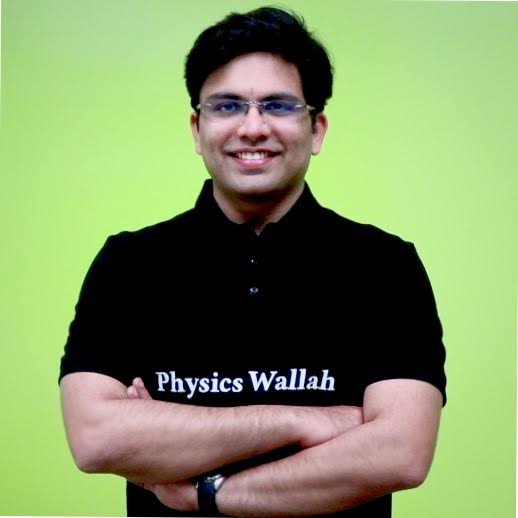
Aditya Rana, popularly known as the Spoken English Guru, has transformed the lives of countless students striving to gain fluency in spoken English. His innovative teaching approach and easy-to-understand lessons make him a distinguished figure in the field of spoken English education.
Who is Aditya Rana, the Spoken English Guru?
Aditya Rana is a renowned Spoken English instructor who has carved a niche for himself with his approachable teaching style. He is known for simplifying complex English grammar and vocabulary concepts, making them accessible to beginners and advanced learners alike. His expertise, consistency, and dedication have earned him the title of the Spoken English Guru.
Why Aditya Rana Stands Out as the Spoken English Guru
Aditya Rana’s success as a Spoken English Guru is rooted in his unique teaching techniques. He emphasizes practical learning over theoretical knowledge, encouraging students to speak English confidently from day one.
What makes him different?
Practical Approach: Aditya Rana ensures that his lessons are structured around real-life scenarios. This helps learners apply their knowledge in everyday conversations.
Simplified Explanations: Instead of overwhelming students with technical jargon, he breaks down concepts into manageable parts.
Interactive Lessons: Through quizzes, exercises, and live sessions, Aditya Rana keeps his audience engaged and motivated.
Personalized Guidance: Understanding that each learner is unique, he offers personalized tips and suggestions to enhance spoken English fluency.
Aditya Rana’s journey began with a passion for teaching and helping people achieve fluency in English. Recognizing the struggles many learners face, he developed a teaching style that caters to students from all backgrounds. His Spoken English lessons have gained massive popularity, particularly for their simplicity and effectiveness.
Courses Offered by Aditya Rana (Spoken English Guru)
Aditya Rana offers a variety of courses designed to suit different learning needs:
Beginner’s Spoken English Course: Ideal for those with little to no knowledge of spoken English.
Intermediate Course: Focuses on improving fluency and understanding more complex grammar structures.
Advanced Spoken English Course: Aimed at learners looking to polish their conversational skills and achieve near-native fluency.
Business English Course: Tailored for professionals seeking to improve their communication skills in a corporate setting.
Teaching Methods of Aditya Rana – The Spoken English Guru
Aditya Rana employs several methods to ensure learners grasp spoken English effectively:
Video Lessons: Easy-to-follow tutorials explaining essential concepts with clarity.
Live Classes: Interactive sessions where students can ask questions and receive instant feedback.
Practice Modules: Structured exercises that reinforce learning and promote fluency.
Assessments: Regular tests to monitor progress and identify areas for improvement.
Benefits of Learning from Aditya Rana (Spoken English Guru)
Affordable Courses: High-quality lessons at reasonable prices.
Flexible Learning: Online classes make it convenient for learners to study at their own pace.
Proven Results: Testimonials from successful students highlight the effectiveness of Aditya Rana’s teaching methods.
How Aditya Rana Helps Improve Spoken English
Aditya Rana’s Spoken English lessons are designed to help learners gain confidence and fluency in a systematic manner. He covers all aspects of spoken English, including:
Pronunciation: Tips to enhance clarity and accuracy.
Vocabulary Building: Introducing new words and phrases to expand vocabulary.
Grammar Mastery: Simplified explanations of grammar rules.
Conversation Practice: Real-life scenarios to enhance communication skills.
Aditya Rana’s Influence as a Spoken English Guru
The influence of Aditya Rana extends far beyond his classes. His YouTube channel and online platforms have attracted millions of learners eager to improve their spoken English. His dedication to providing accessible and high-quality education has made him a trusted name in the field.
Frequently Asked Questions
What makes Aditya Rana a Spoken English Guru? Aditya Rana is known for his simplified, practical approach to teaching spoken English, making learning accessible and effective for all.
How can I enroll in Aditya Rana’s Spoken English courses? You can enroll through his official website or online platforms where he offers various spoken English courses.
Is Aditya Rana’s teaching method suitable for beginners? Absolutely! Aditya Rana offers courses specifically designed for beginners, ensuring a smooth learning journey.
What kind of spoken English lessons does Aditya Rana provide? He provides lessons covering grammar, pronunciation, vocabulary, and conversational skills through engaging videos and live sessions.
How does Aditya Rana help improve spoken English fluency? By focusing on practical exercises, interactive sessions, and personalized guidance, Aditya Rana ensures comprehensive spoken English training.
Can Aditya Rana help with business English? Yes, he offers a dedicated Business English Course to help professionals improve their communication skills.
Conclusion
Conclusion
Aditya Rana, popularly known as the Spoken English Guru, is dedicated to helping learners build confidence and achieve fluency in English communication. Through his practical teaching approach, engaging lessons, and effective learning techniques, he has become a valuable guide for students and professionals aspiring to improve their spoken English. Whether you are starting your English-learning journey or looking to refine your communication skills, Aditya Rana’s guidance can help you speak English with greater confidence, clarity, and ease.
Learn how to connect Chemistry chapters with concept mapping, practical examples and effective revision techniques
Chemistry padhte waqt ek common problem saamne aati hai. Lecture mein concept clearly samajh aa jata hai, formulas bhi yaad rehte hain, lekin jab question mein do ya teen chapters ke concepts combine hote hain, toh solution identify karna difficult lagne lagta hai. Aisa aksar tab hota hai jab hum Chemistry ke har chapter ko ek independent topic samajhkar study karte hain.
Agar aap Shivam Mishra Chemistry lectures follow kar rahe hain, toh sirf individual topics complete karna sufficient nahi hai. Aapko yeh bhi identify karna hoga ki current topic ka connection pehle padhe hue principles se kaise banta hai.
Is article mein hum practical examples ke through samjhenge ki Physical, Organic aur Inorganic Chemistry ke chapters ko logically kaise connect karein, effective notes kaise banayein aur mixed-concept questions confidently kaise approach karein.
Chemistry Mein Chapters Ke Beech Connections Samajhna Kyun Zaroori Hai?
Chemistry ek interconnected subject hai jahan naye concepts aksar previously learned principles par depend karte hain. Mole Concept se mili quantitative understanding Solutions aur Stoichiometry mein apply hoti hai. Atomic Structure ka knowledge Periodic Table aur Chemical Bonding ko explain karne mein help karta hai.
Problem tab shuru hoti hai jab student formulas toh memorize kar leta hai, lekin unke applications aur limitations ko identify nahi kar pata.
For example, equilibrium constant ka formula yaad hona useful hai, lekin temperature aur Gibbs free energy ke relationship ko samajhne se Chemical Equilibrium ki deeper understanding develop hoti hai.
Shivam Mishra Sir Ke Chemistry Lectures Ko Conceptually Kaise Connect Karein?
Shivam Mishra Sir ke lectures follow karte waqt aap ek simple learning framework use kar sakte hain. Har naye lecture se pehle identify karein ki us topic ko samajhne ke liye previous chapters ka kaunsa knowledge required hai.
Suppose aap Electrochemistry study karne wale hain. Lecture start karne se pehle oxidation, reduction aur oxidation number jaise fundamentals revise karna helpful hoga. Isse new concepts ko familiar ideas ke saath associate karna easier ho jata hai.
Lecture ke dauran jab koi previously studied principle use ho, toh notes mein us chapter ka reference mention karein. Pura explanation dobara likhne ki zaroorat nahi hai.
Lecture complete hone ke baad ek question khud se poochhein: “Aaj ka concept pehle padhe hue kis topic se connected hai?”
Agar aapko answer clearly mil jata hai, toh conceptual understanding check karne ka ek useful starting point milta hai.
Students apni preparation ko systematic banane ke liye Relevant Chemistry Preparation Guide bhi refer kar sakte hain.
Physical Chemistry Chapters Ke Beech Important Connections
Physical Chemistry mein mathematical relationships aur scientific principles ka combination hota hai. Is branch mein chapter linking particularly useful hai, kyunki ek numerical solve karte waqt multiple concepts apply ho sakte hain.
Mole Concept Se Solutions Aur Stoichiometry Tak
Mole Concept Chemistry calculations ka fundamental part hai. Yeh particles, mass aur amount of substance ke beech relationship establish karta hai.
Solutions chapter mein concentration calculate karne ke liye molarity ka formula use hota hai:
\[ M=\frac{\text{Moles of solute}}{\text{Volume of solution in litres}} \]
Suppose 0.5 mole NaCl ko dissolve karke total solution volume 1 litre banaya gaya hai. Is solution ki molarity 0.5 M hogi.
Yahan calculation Solutions chapter se related hai, lekin uski foundation Mole Concept mein present hai.
Isi tarah Stoichiometry mein balanced chemical equations ke coefficients mole ratios represent karte hain. Agar fundamental mole calculations clear hain, toh quantitative reaction problems solve karna comparatively easier hota hai.
Thermodynamics Aur Chemical Equilibrium Ka Relationship
Thermodynamics chemical processes mein energy changes aur spontaneity explain karta hai, jabki Chemical Equilibrium reversible reactions ki equilibrium state ko describe karta hai.
Dono chapters ka important connection standard Gibbs free energy change aur equilibrium constant ke relationship mein milta hai:
\[ \Delta G^\circ=-RT\ln K \]
Yahan \(\Delta G^\circ\) standard Gibbs free energy change, R gas constant, T absolute temperature aur K equilibrium constant hai.
Is relationship se students samajh sakte hain ki thermodynamic favorability aur equilibrium position ek doosre se kaise connected hain.
Redox Reactions Aur Electrochemistry Ka Connection
Electrochemistry ko samajhne ke liye Redox Reactions ka foundation useful hota hai.
Redox reactions mein oxidation aur reduction simultaneously occur karte hain. Electrochemical cells mein ye processes separate electrodes par take place kar sakte hain.
For example, Daniell cell mein zinc oxidation undergo karta hai aur copper ions reduction undergo karte hain.
Agar oxidation number, electron transfer aur half-reaction balancing pehle se clear ho, toh electrode reactions aur cell potential ke concepts ko interpret karna easier ho jata hai.
Atomic Structure, Periodic Table Aur Chemical Bonding Ko Kaise Connect Karein?
Inorganic Chemistry mein Atomic Structure, Periodic Classification aur Chemical Bonding ek logical learning sequence create karte hain.
Atomic Structure se electronic configuration samajh aati hai. Electronic configuration se valence electrons aur periodic position identify ki ja sakti hai. Ye properties chemical bonding behaviour ko understand karne mein help karti hain.
For example, sodium ki electronic configuration 2,8,1 hai, jabki chlorine ki 2,8,7 hai.
Sodium apna outer electron lose karke Na⁺ banata hai aur chlorine electron gain karke Cl⁻ form karta hai. In oppositely charged ions ke electrostatic attraction se ionic bonding explain hoti hai.
Yahan teen chapters ke concepts ek hi example mein connected hain.
Isi approach ko periodic trends, electronegativity aur molecular properties study karte waqt apply kiya ja sakta hai.
Chemistry concept mapping ek visual learning technique hai jisme related ideas ko branches aur connecting arrows ke through organize kiya jata hai.
Har chapter ke liye lengthy diagrams banana necessary nahi hai. Ek single-page concept map bhi effective reference ban sakta hai.
Suppose aap Chemical Bonding ka map create kar rahe hain. Centre mein Chemical Bonding likhein aur uske around valence electrons, Lewis structures, ionic bonds, covalent bonds aur molecular geometry jaise connected topics arrange karein.
Phir identify karein ki in concepts ka connection Atomic Structure aur Periodic Properties se kahan banta hai.
Aap SATHEE Chemistry Mind Maps par available educational resources se visual organization ke examples explore kar sakte hain.
Notes banate waqt har topic ke liye prerequisite concept, main principle aur practical application mention karna useful rahega. Isse revision mein related information quickly locate ki ja sakti hai.
Lecture Ke Baad Previous Chapters Ko Revise Karne Ki Smart Strategy
Effective Chemistry revision ka matlab har lecture dobara dekhna nahi hai. Better approach yeh hai ki aap apni understanding test karein aur sirf unclear concepts ko revisit karein.
Lecture complete hone ke baad kuch minutes ke liye notes close karke key formulas, definitions aur relationships recall karne ki attempt karein.
Agar koi concept yaad nahi aa raha, toh relevant notes check karein. Phir us principle par based ek short question solve karein.
Next day ek quick review aur kuch din baad practice questions ke through dobara testing kar sakte hain. Revision frequency apni performance ke according adjust karein.
Aap apni revision planning ko aur organized banane ke liye Chemistry Notes and Revision Strategy bhi follow kar sakte hain.
Mixed-Concept Chemistry Questions Solve Karne Ka Practical Method
Mixed-concept questions solve karte waqt sabse pehle identify karein ki question kis information ko provide kar raha hai aur exactly kya calculate karna hai.
Suppose question mein 0.2 mole NaCl ko dissolve karke 500 mL solution prepare kiya gaya hai aur molarity poochhi gayi hai.
Is question mein Mole Concept aur Solutions dono involved hain.
Volume ko litres mein convert karne par 0.5 L milta hai.
\[ M=\frac{0.2}{0.5}=0.4\text{ M} \]
Calculation simple hai, lekin correct answer tak pahunchne ke liye amount of substance aur concentration ka connection recognize karna zaroori tha.
Difficult questions ke liye pehle relevant concepts identify karein, phir applicable formulas aur conditions check karein. Incorrect answers ko review karke determine karein ki mistake conceptual thi, unit conversion mein thi ya calculation mein.
Chemistry Chapters Connect Karte Waqt Students Ki Common Mistakes
Ek common mistake hai Chemistry ke har chapter ko completely separate study karna. Is approach mein student individual questions toh solve kar sakta hai, lekin combined applications recognize karne mein difficulty experience kar sakta hai.
Dusri problem formulas ko unki conditions samjhe bina memorize karna hai. Har mathematical relationship specific assumptions ke under applicable hota hai.
Previous chapters ke weak fundamentals ignore karna bhi confusion create kar sakta hai. Agar Ionic Equilibrium difficult lag raha hai, toh basic Equilibrium aur concentration concepts revisit karna helpful hoga.
Students kabhi-kabhi detailed notes banane mein itna time invest kar dete hain ki actual problem-solving practice limited reh jaati hai.
Shivam Mishra Se Chemistry Padhne Wale Students Ke Liye Final Study Strategy
Agar aap Shivam Mishra Chemistry lectures ke saath preparation kar rahe hain, toh ek realistic daily learning routine adopt karein.
Lecture se pehle related fundamentals quickly revise karein. Lecture ke dauran important conceptual connections note karein aur completion ke baad bina notes dekhe explanation recall karne ki practice karein.
Uske baad kuch topic-based questions solve karein. Jab basic concepts clear hone lagein, tab gradually mixed-concept questions include karein.
Weekly revision mein un chapters ko priority dein jinke concepts baar-baar naye topics mein apply ho rahe hain.
Is approach ka objective lectures jaldi complete karna nahi, balki acquired knowledge ko accurately apply karna hai.
Frequently Asked Questions
1. Shivam Mishra Sir se Chemistry padhte waqt chapters kaise connect karein?
Har lecture se pehle prerequisite topics identify karein. Lecture ke dauran previous concepts ke references note karein aur completion ke baad ek short concept map banayein. Related chapters se mixed questions solve karke check karein ki aap concepts practically apply kar pa rahe hain ya nahi.
2. Physical Chemistry mein sabse important prerequisite chapters kaun se hain?
Mole Concept, basic Stoichiometry, Atomic Structure, Thermodynamics aur Chemical Equilibrium kai related topics ko understand karne mein useful hain. Exact prerequisite sequence topic par depend karta hai. For example, Electrochemistry ke liye Redox Reactions aur equilibrium-related fundamentals helpful ho sakte hain.
3. Chemistry concept maps banana useful hai kya?
Haan, concept maps related principles, formulas aur reactions ko visually organize karne mein helpful ho sakte hain. Inhe short aur meaningful rakhein. Sirf attractive diagrams banane ke bajay connecting relationships explain karein aur practice questions ke through understanding check karein.
4. Chemistry lectures ke notes kaise revise karein?
Revision ke liye pehle key concepts bina notes dekhe recall karein. Phir incorrect ya forgotten information verify karein. Short notes, formula sheets aur targeted numerical practice combine karna useful hai. Entire lectures repeat karne ke bajay specific weak topics revisit karein.
5. Mixed-concept Chemistry questions solve karne ki practice kaise karein?
Pehle individual concepts par basic questions solve karein. Uske baad related chapters ke combined questions attempt karein. Har question mein given data, applicable principles aur required result identify karein. Incorrect answers ka reason record karke similar problems dobara practice karein.
Conclusion
Chemistry ko effectively study karne ke liye chapters ke beech relationships identify karna ek practical habit hai. Shivam Mishra Sir ke Chemistry lectures follow karte waqt previous fundamentals revise karna, connected notes maintain karna aur mixed-concept questions solve karna aapki understanding ko develop karne mein help kar sakta hai.
Jab concepts ek organized framework mein samajh aane lagte hain, toh unfamiliar Chemistry questions ko logically approach karna easier ho sakta hai.
Learn how to identify, track, and correct repeated Chemistry mistakes with effective DPP analysis, mistake tracking, and revision strategies for JEE preparation.
Chemistry ki class attend karne ke baad aksar students ko lagta hai ki topic completely clear ho gaya hai. Harsh Tyagi Sir ke lectures dekhte waqt concepts samajh aate hain, important formulas notes mein likh lete hain aur solved examples bhi manageable lagte hain. Lekin jab independently DPP solve karne ya mock test attempt karne ka time aata hai, toh wahi purani mistakes dobara saamne aa jaati hain.
Kabhi mole concept mein calculation galat ho jaati hai, kabhi thermodynamics mein sign convention confuse karta hai, aur kabhi question ki ek important condition miss ho jaati hai.
Problem hamesha preparation ki quantity nahi hoti. Kai baar students ko apni mistakes ka actual reason hi pata nahi hota.
Agar aap Harsh Tyagi Chemistry lectures follow kar rahe hain, toh ek structured mistake tracking system aapki practice ko zyada meaningful bana sakta hai. Is article mein samjhenge ki errors identify, record aur systematically correct kaise karein.
Harsh Tyagi Sir Se Chemistry Padhte Waqt Students Ko Kya Track Karna Chahiye?
Chemistry lectures attend karna learning process ka important part hai, lekin kisi concept ko samajhna aur usse independently apply karna do alag skills hain.
Harsh Tyagi Sir Physical Chemistry padhne wale students ko lecture ke baad apni question-solving performance observe karni chahiye. Sirf kitne questions correct hue, ye dekhna sufficient nahi hai. Ye bhi samajhna zaroori hai ki kaunse questions solve karne mein unnecessary time laga aur kin questions mein answer guess karna pada.
Maan lijiye aapne mole concept ka lecture complete kiya. Class examples samajhne ke baad jab fresh numerical attempt kiye, toh limiting reagent identify karne mein difficulty hui. Iska matlab poora chapter dobara padhna zaroori nahi hai. Pehle us specific concept ko revise karke similar questions solve karna better approach ho sakta hai.
Ek effective [JEE Chemistry preparation strategy – Internal Link 1: Add Relevant Published URL] mein lectures, independent practice aur mistake analysis ka balanced combination hona chahiye.
Chemistry Mein Same Mistakes Baar-Baar Kyun Hoti Hain?
Repeated mistakes ka reason har student ke liye different ho sakta hai. Isliye correction shuru karne se pehle error ka root cause samajhna important hai.
Concept Samajhne Aur Apply Karne Mein Difference
Lecture mein teacher step-by-step solution explain karte hain, jisse question relatively simple lagta hai. Lekin independent practice mein student ko khud decide karna hota hai ki kaunsa concept applicable hai.
For example, chemical equilibrium mein formula yaad hone ke bawajood equilibrium concentrations identify karne mein difficulty aa sakti hai.
Aise cases mein formula memorization ke bajay concept application practice ki zaroorat hoti hai.
Formula Selection Aur Calculation Errors
Physical Chemistry mein numerical calculations significant role play karti hain. Students kabhi incorrect formula choose kar lete hain, toh kabhi multiplication, exponent ya logarithm calculation mein error kar dete hain.
Har incorrect calculation conceptual weakness indicate nahi karti. Formula sahi hone ke baad bhi arithmetic mistakes ho sakti hain.
Units, Signs Aur Question Reading Mistakes
Millilitres ko litres mein convert karna bhoolna, Kelvin ki jagah Celsius use karna ya thermodynamics mein sign convention confuse karna common difficulties hain.
Question mein given conditions carefully read nahi karne se bhi correct concept ke bawajood incorrect answer mil sakta hai.
Revision Gap Aur Time Pressure
Students naye chapters cover karte rehte hain, lekin purane mistakes revisit nahi karte. Isse previously corrected problems dobara appear ho sakti hain.
Timed practice mein jaldi answer nikalne ki koshish bhi unnecessary errors increase kar sakti hai.
Chemistry Mistake Notebook Kaise Banayein?
Ek Chemistry mistake notebook aapki preparation ka personal improvement record ban sakti hai. Isme har question copy karne ki zaroorat nahi. Sirf un errors ko record karein jinse meaningful learning mil sakti hai.
Notebook ya Google Sheets mein ye eight fields maintain karein:
Chapter/Topic: Mole Concept, Thermodynamics ya Equilibrium.
Question Reference: DPP number, question number ya mock test ID.
Mistake Category: Concept, calculation, units, reading ya time management.
Corrective Action: Kya revise ya practise karna hai?
Next Revision Date: Question dobara kab attempt karenge?
Retest Result: Correct, incorrect ya partially understood.
Physical Chemistry Mistake Notebook Example
Suppose ek question mein 0.5 mole NaCl ko dissolve karke final solution volume 500 mL banaya gaya hai. Student molarity calculate karte waqt volume ko 500 L treat kar leta hai.
Correct calculation:
\[ M=\frac{0.5}{0.5}=1.0\ \text{mol/L} \]
Mistake notebook mein reason likhein: Volume conversion skipped — 500 mL ko 0.5 L convert nahi kiya.
Corrective action hoga: Concentration ke five numericals solve karna aur har question mein units verify karna.
Is approach se notebook sirf incorrect answers ka collection nahi, balki targeted improvement tool banegi.
Physical Chemistry Mein Repeated Mistakes Ko Kaise Identify Karein?
Mole concept mein students kabhi atomic mass aur molecular mass confuse kar dete hain. Stoichiometry mein balanced chemical equation use nahi karne se incorrect mole ratio mil sakta hai.
Similarly, equilibrium numericals mein initial aur equilibrium concentrations ke beech confusion calculation ko affect kar sakta hai.
Aapko har mistake ke baad ek question poochna chahiye: Mujhe concept nahi aata tha, ya concept aane ke bawajood solution execute karte waqt error hui?
Agar concept unclear hai, toh relevant theory aur solved examples revisit karein. Agar execution error hai, toh independently similar questions attempt karein aur calculation checks develop karein.
Is distinction ko samajhna efficient revision ke liye important hai.
Harsh Tyagi Sir Ke Lectures Ke Baad DPP Analysis Kaise Karein?
Harsh Tyagi Chemistry lectures ke baad DPP solve karte waqt students ko pehle questions independently attempt karne chahiye.
Solutions immediately dekhne ki habit se actual understanding evaluate karna difficult ho sakta hai.
Practice complete hone ke baad questions ko three categories mein divide karein: confidently correct, incorrect aur correct but doubtful.
Incorrect questions mein identify karein ki difficulty question understanding, formula selection ya calculation mein thi.
Uske baad relevant lecture notes ka specific portion revise karein aur ek fresh question solve karke check karein ki concept independently apply ho raha hai ya nahi.
Agar same type ka error dobara appear hota hai, toh usse mistake notebook mein record karein.
Ye ek recommended independent study workflow hai, Harsh Tyagi Sir ki officially prescribed teaching method hone ka claim nahi.
Repeated errors correct karne ke liye ek practical weekly system follow kiya ja sakta hai. Is routine ko regular lectures aur school schedule ke according adjust karein.
Day 1 – Previous Mistakes Identify Karein
Pichhli DPPs aur practice sheets review karein. Incorrect questions classify karein aur most frequently repeated problems identify karein. Similar errors ko group karne se learning priorities clear hongi.
Day 2 – Weak Concepts Revise Karein
Notebook mein recorded conceptual mistakes select karein. Relevant theory revise karne ke baad fresh examples independently solve karein.
Day 3 – Numerical Accuracy Practice
Calculation-based problems attempt karein. Units, formulas, signs aur intermediate steps carefully verify karein. Accuracy maintain karne ke baad speed par kaam karein.
Day 4 – Previous Wrong Questions Reattempt Karein
Purane incorrect questions solutions dekhe bina solve karein. Agar answer dobara incorrect aaye, toh check karein ki reason pehle jaisa hai ya different.
Day 5 – Mixed-Topic Chemistry Practice
Mole concept, thermodynamics aur equilibrium jaise completed topics se mixed questions attempt karein. Isse concept selection aur retention evaluate karne mein help milegi.
Day 6 – Timed Practice Session
Ek manageable Chemistry question set time limit ke saath attempt karein. Observe karein ki time pressure mein previously corrected errors wapas toh nahi aa rahe.
Day 7 – Weekly Error Review
Poore week ka mistake record analyse karein. Corrected errors mark karein aur unresolved concepts ko next week’s priority banayein.
Is seven-day process ka objective score guarantee karna nahi, balki mistakes identify karne aur unhe systematically address karne ki habit develop karna hai.
Mock Test Mein Chemistry Mistakes Kaise Analyse Karein?
Mock test ke baad students aksar total marks check karke next test ki preparation shuru kar dete hain. Lekin actual learning tab hoti hai jab answer sheet ko carefully review kiya jaata hai.
Suppose teen consecutive mock tests mein chemical equilibrium ke questions repeatedly incorrect ho rahe hain. Ye pattern suggest karta hai ki chapter ko targeted revision ki zaroorat hai.
Har test ke baad error categories ki frequency count karein. Agar calculation mistakes zyada hain, toh step verification par focus karein. Conceptual errors dominate kar rahi hain, toh theory revision aur application-based questions prioritize karein.
Chemistry Accuracy Improve Karne Ke Practical Tips
Chemistry accuracy improve karne ke liye sabse pehle question ko carefully read karna develop karein. Numerical solve karne se pehle given data, required quantity aur units identify karein.
Physical Chemistry mein intermediate calculation steps likhna useful ho sakta hai, especially jab multiple formulas involved hon.
Revision ke waqt sirf correct answers read na karein. Un questions ko dobara solve karein jinmein pehle difficulty hui thi.
Spaced revision bhi helpful hai. Kisi corrected question ko next day, kuch din baad aur subsequent weekly review mein reattempt karke understanding test karein.
Apni [Chemistry revision and mock test preparation guide – Internal Link 2: Add Relevant Published URL] ke saath mistake tracking integrate karne se revision priorities identify karna easier ho sakta hai.
Jab repeated attempts ke baad bhi concept unclear rahe, toh teacher se doubt clarification lena better hai. Unnecessary guessing se confusion increase ho sakta hai.
Conclusion
Harsh Tyagi Chemistry lectures follow karne wale students ke liye sirf theory complete karna enough nahi hai. Independent question-solving, mistake identification aur structured revision equally important hain.
Repeated Chemistry mistakes ko reduce karne ka practical starting point ek simple error log maintain karna hai. Jab aap har incorrect answer ka actual reason record karte hain, toh preparation ki weak areas clearly identify hone lagti hain.
DPP analysis, Physical Chemistry numerical practice aur weekly retesting ko regular study routine ka part banayein.
Remember, objective har question immediately correct karna nahi, balki apni understanding ko consistently improve karna hai. Ek useful mistake notebook isi process ko measurable aur organized bana sakti hai.
Part D: Frequently Asked Questions (FAQs)
1. Harsh Tyagi Sir Se Chemistry Padhte Waqt Mistakes Kaise Track Karein?
Harsh Tyagi Sir ke lectures ke baad DPP aur practice questions independently solve karein. Incorrect answers ko concept, calculation, unit conversion aur question-reading categories mein classify karein. Ek mistake notebook maintain karein jisme error ka reason, correct method aur next revision date record ho. Regular retesting se improvement evaluate ki ja sakti hai.
Chemistry mistake notebook mein chapter name, question reference, mistake type, actual error reason, correct solution approach, corrective action aur revision date mention karein. Har question ka complete solution copy karne ki zaroorat nahi. Sirf important learning points record karein aur retest result update karte rahein.
Physical Chemistry calculations mein formulas apply karne se pehle units aur given conditions check karein. Mole concept, stoichiometry aur thermodynamics ke numerical questions regularly practise karein. Intermediate steps verify karein aur repeated errors ko separately record karein. Accuracy improve hone ke baad timed practice introduce karein.
4. Chemistry DPP Ke Wrong Questions Ko Kab Revise Karna Chahiye?
Incorrect DPP questions ko ideally initial analysis ke baad independently reattempt karein. Phir next day, kuch din baad aur weekly revision mein unhe dobara solve kar sakte hain. Ye flexible schedule hai; difficult concepts ko additional practice ki zaroorat ho sakti hai.
5. JEE Chemistry Mock Test Analysis Kaise Karein?
Mock test complete hone ke baad incorrect, skipped aur doubtful questions review karein. Har mistake ka root cause identify karke chapter-wise record maintain karein. Frequent conceptual weaknesses ko priority dein. Previous mistakes ko future tests mein monitor karein, taaki pata chale corrective practice effective ho rahi hai ya nahi.
Learn how to turn Rahul Dudi Sir's Chemistry lecture notes into strong conceptual understanding, effective revision, and better JEE problem-solving skills.
Chemistry ka lecture complete karne ke baad jab notebook detailed explanations, formulas aur solved examples se bhar jaati hai, toh naturally lagta hai ki chapter achhe se prepare ho gaya. Lekin jab JEE ka unfamiliar numerical saamne aata hai, toh kai students confuse ho jaate hain ki question start kahan se karein.
Yahi difference hai lecture samajhne aur knowledge ko independently apply karne mein.
Rahul Dudi Chemistry Lectures follow karne wale aspirants ke liye bhi actual learning sirf class attend karne ya written material collect karne tak limited nahi honi chahiye. Chemistry mein genuine clarity tab develop hoti hai jab learner kisi principle ko explain kar sake, uski limitations samjhe aur different situations mein apply kare.
Is article mein hum practical methods discuss karenge jinki help se lecture notes ko stronger conceptual knowledge, effective revision aur better problem-solving skills mein convert kiya ja sakta hai.
Rahul Dudi Ke Chemistry Lectures Mein Notes Ka Kya Role Hai?
Physics Wallah ke JEE courses mein Rahul Dudi Sir Chemistry faculty ke roop mein associated hain. Lecture notes ka fundamental purpose important information ko organized form mein preserve karna hota hai, taaki revision ke waqt poora lesson dobara dekhna zaroori na pade.
Physical Chemistry mein definitions, mathematical relationships, derivations aur solved illustrations ek connected learning framework banate hain. For example, Mole Concept mein molar mass aur Avogadro constant ke beech relationship samajhna future stoichiometric calculations ke liye useful hota hai.
Well-organized material difficult topics ko revisit karne mein help karta hai. Lekin notebook ko final achievement samajhne ke bajay learning tool ki tarah use karna chahiye.
Har major explanation ke saath uska underlying logic samajhna equally necessary hai. Is approach se revision meaningful banti hai aur unfamiliar questions handle karna comparatively easier ho sakta hai.
Chemistry Notes Complete Hone Ke Baad Bhi Concepts Clear Kyun Nahi Hote?
Kai aspirants lecture dekhte waqt teacher ke solution ko easily follow kar lete hain. Unhe calculations aur explanations logical lagti hain, lekin independent attempt mein same process reproduce nahi hota.
Iska ek reason passive learning hai.
Jab solution already screen par available hota hai, tab brain ko khud approach identify karne ki zaroorat kam padti hai. Familiar steps ko recognize karna aur bina guidance ke solution develop karna different cognitive tasks hain.
Another common problem formula memorization hai. Agar student equation yaad kar leta hai lekin variables, assumptions aur units nahi samajhta, toh slightly modified question bhi challenging lag sakta hai.
Effective JEE Chemistry study methods ka objective information remember karne ke saath reasoning aur application skills develop karna hona chahiye.
Rahul Dudi Chemistry Lectures Se Real Understanding Kaise Develop Karein?
Lecture Ke Dauraan Sirf Likhein Nahi, Logic Bhi Samjhein
Lecture attend karte waqt har line immediately copy karna necessary nahi hota. Important reasoning identify karna zyada useful ho sakta hai.
Jab koi derivation explain ho, toh observe karein ki initial principle kya hai, intermediate steps kaise connected hain aur final expression kin conditions mein valid hai.
Agar explanation difficult lage, toh wahi portion dobara review karein. Confusion ko unresolved chhodkar next topic par move karna future learning gaps create kar sakta hai.
Lecture Ke Baad Apne Words Mein Explain Karein
Class complete hone ke baad notebook band karke topic ko simple language mein explain karne ki practice karein.
For example, Chemical Equilibrium padhne ke baad khud se poochhein ki dynamic equilibrium ka kya meaning hai aur equilibrium par forward aur reverse reaction rates ka relationship kya hota hai.
Agar explanation incomplete hai, toh relevant portion revisit karein.
Ye self-explanation technique memorized statements aur actual reasoning ke beech difference identify karne mein helpful hai.
Har Important Formula Ka Meaning Samjhein
Physical Chemistry mein mathematical expressions ko blindly use karna avoid karein.
Ideal gas equation, PV = nRT, consider karein. Yahan pressure, volume, amount of substance aur absolute temperature ka relationship ideal-gas model ke assumptions ke under describe hota hai.
Units consistent rakhna aur appropriate gas constant select karna essential hai.
Isi tarah har formula ke variables, conditions aur applicability samajhne se calculation errors reduce kiye ja sakte hain.
Solved Examples Ko Independently Attempt Karein
Lecture mein explained numerical ko kuch samay baad bina solution dekhe solve karein.
Question read karke available data identify karein, suitable principle choose karein aur steps independently complete karein.
Agar answer incorrect aaye, toh directly complete solution copy karne ke bajay identify karein ki misunderstanding reasoning mein thi, calculation mein ya unit conversion mein.
Ye habit self-reliant problem-solving develop karti hai.
Physical Chemistry Numericals Ke Liye Notes Kaise Use Karein?
Physical Chemistry numericals mein calculation start karne se pehle question ka scientific meaning samajhna important hai.
Suppose 18 grams water ke moles calculate karne hain. Water ka molar mass approximately 18 g/mol hai. Relationship n = m/M apply karne par amount approximately one mole milta hai.
Lekin deeper learning ke liye ye bhi samajhna chahiye ki mole particles ki counting unit hai aur molar mass mass ko amount of substance se connect karta hai.
Stoichiometry problems mein balanced chemical equation ko mole ratios se relate karna necessary hota hai.
Saath hi, preparation ke topics ko official JEE Main Chemistry syllabus ke according verify karein, kyunki different examination years mein prescribed coverage change ho sakti hai.
NCERT reading ke baad textbook questions attempt karna lecture learning ko reinforce karne ka practical method hai.
Chemistry Notes Ki Revision Ka Effective Method
Revision ka matlab sirf handwritten pages repeatedly read karna nahi hai.
Better approach active recall use karna hai. Ismein student available material dekhe bina definitions, principles aur important relationships recall karne ki attempt karta hai.
For example, Thermodynamics revise karte waqt pehle system, surroundings aur state functions explain karein. Uske baad corresponding examples solve karein.
Revision ko multiple sessions mein distribute karna bhi helpful ho sakta hai. Lecture ke baad short recap, kuch din baad self-test aur later mixed-question practice ek flexible sequence hai.
Ek error log maintain karein jisme wrong answers ke actual reasons record hon.
Isse weak topics identify karna easier hota hai aur unnecessary rereading reduce ho sakti hai.
Rahul Dudi Sir Ke Lectures Ke Baad Question Practice Kaise Karein?
Lecture complete hone ke baad directly extremely difficult problems attempt karna har learner ke liye suitable nahi hota.
Question practice ke waqt accuracy ke saath solution approach bhi evaluate karein. Correct answer accidental guessing se mila hai ya clear reasoning se, ye distinguish karna important hai.
Agar repeated errors kisi particular subtopic se related hain, toh us section ko targeted revision dein.
Ek common mistake multiple lectures continuously watch karna hai, bina sufficient practice ke. Isse syllabus completion ka impression mil sakta hai, lekin actual retention limited reh sakti hai.
Notebook decoration par excessive time spend karna bhi productivity reduce kar sakta hai. Clear explanations aur accessible organization attractive formatting se zyada valuable hain.
Another issue different teachers aur resources ke beech frequently switch karna hai. Multiple explanations useful ho sakti hain, lekin unnecessary switching confusion badha sakti hai.
Difficult chapters ko repeatedly postpone karne ke bajay specific learning gaps identify karein.
Sabse important, incorrect questions ko ignore na karein. Wahi mistakes improvement ke practical indicators provide karti hain.
Notes Se Real Understanding Tak Ek Practical Study Routine
Ek manageable routine lecture, recap, application aur revision ko combine kar sakta hai.
Suppose student 60-minute Chemistry lecture complete karta hai. Uske baad approximately 10 minutes mein key ideas recall kar sakta hai aur 15 minutes mein selected solved examples independently attempt kar sakta hai.
Next session mein 20–30 minutes relevant questions solve karke mistakes analyze ki ja sakti hain.
Ye fixed timetable nahi hai. Topic ki complexity aur available study time ke according duration adjust hona chahiye.
Weekly revision mein previous weak areas ko revisit karein aur selected mixed problems attempt karein.
Consistent learning ka purpose maximum pages complete karna nahi, balki previously studied principles ko accurately recall aur apply kar pana hai.
Conclusion
Rahul Dudi Ke Chemistry Lectures se meaningful learning develop karne ke liye organized writing ke saath active thinking equally necessary hai.
Lecture notes useful reference material hain, lekin genuine progress tab hoti hai jab student formulas ka meaning explain kare, examples independently solve kare aur incorrect attempts se learn kare.
NCERT reading, regular practice, active recall aur targeted revision ko combine karke Chemistry learning ko more systematic banaya ja sakta hai.
Ultimately, well-prepared notebook se zyada valuable woh knowledge hai jise student unfamiliar examination problems mein confidently apply kar sake.
Frequently Asked Questions
Rahul Dudi Sir ke Chemistry notes ko effectively revise kaise karein?
Pehle main principles recall karein, phir solved examples independently attempt karein. Difficult topics ko targeted revision aur short self-tests ke through revisit karein.
Nahi. Lectures ke saath NCERT study, relevant question practice, previous-year papers aur mistakes ka analysis bhi necessary hai.
Physical Chemistry formulas samajhne ka best method kya hai?
Har expression ke variables, units, underlying principles aur valid conditions samjhein. Uske baad different situations mein formula apply karke test karein.
Chemistry notes ke baad kitne questions practice karne chahiye?
Koi universal number nahi hai. Questions ki quantity topic difficulty, existing knowledge aur accuracy ke according decide karein. Quality aur error analysis ko priority dein.
Lecture samajh aane ke baad bhi numericals solve kyun nahi hote?
Often reason independent application practice ki kami hoti hai. Solution dekhkar samajhna aur bina guidance ke appropriate method choose karna alag skills hain.
Gagan Garg Sir se Physics chapter complete karne ke baad concepts, formulas, DPP, PYQs aur chapter tests ke through apni preparation evaluate karein.
Gagan Garg Sir ke lectures complete kar liye, notes bhi bana liye, lekin kya aap bina solution dekhe Physics ke questions solve kar paa rahe hain?
Yeh problem kaafi JEE aspirants face karte hain. Lecture dekhte waqt concepts simple lagte hain, teacher ke solved examples bhi samajh aa jaate hain, lekin jab khud numerical attempt karne ki baari aati hai, toh confusion shuru ho jaata hai.
Actually, Physics mein chapter complete karna aur us chapter par command develop karna do alag cheezein hain.
Agar aap Gagan Garg Physics lectures follow kar rahe hain, toh har chapter ke baad apni understanding systematically check karna useful rahega.
Is guide mein hum seven practical checkpoints, self-assessment checklist, revision planning aur common mistakes discuss karenge, jisse aap decide kar sakein ki next chapter start karna chahiye ya current topics ko aur practice ki zarurat hai.
Physics Ka Chapter Complete Hone Ka Actual Meaning Kya Hai?
Physics ka chapter complete hone ka matlab sirf saare lectures dekh lena ya notebook mein formulas likh lena nahi hai.
Real understanding tab develop hoti hai jab aap unfamiliar questions mein relevant concepts identify kar sakein, appropriate equations apply karein aur apne answer ka physical meaning samajh paayein.
For example, Newton’s Laws of Motion padhne ke baad agar aap kisi block-and-pulley problem ka correct free-body diagram independently bana sakte hain, toh yeh meaningful progress hai.
Lekin agar solution dekhe bina force direction decide nahi ho rahi, toh us specific topic ko revise karna useful hoga.
Effective JEE Physics preparation ke liye theory, numerical practice, conceptual application aur assessment ka combination zaruri hai.
Aap fundamentals ko strengthen karne ke liye NCERT Physics textbooks bhi refer kar sakte hain, especially jab kisi basic definition ya concept mein confusion ho.
Gagan Garg Sir Se Chapter Padhne Ke Baad Yeh 7 Cheezein Check Karein
1. Kya Aap Concepts Bina Notes Dekhe Explain Kar Sakte Hain?
Lecture complete karne ke baad notebook band karke chapter ke main concepts explain karne ki koshish karein.
Maan lijiye aapne Work, Energy and Power padha hai.
For example, Electrostatics mein pehle electric field aur force ke standard questions karein. Uske baad multiple charges aur symmetry-based problems ki taraf move karein.
Questions ka quantity target blindly follow karne ke bajay yeh observe karein ki alag situations mein aap apna method develop kar paa rahe hain ya nahi.
5. Kya Previous Year Questions Solve Ho Rahe Hain?
JEE Physics PYQ practice exam-oriented preparation ka useful checkpoint hai.
Chapter ki basic theory aur regular exercises complete karne ke baad relevant previous-year questions attempt karein.
JEE Main PYQs se aap question framing, calculation requirements aur concept application assess kar sakte hain.
JEE Advanced aspirants ko additionally multi-concept aur unfamiliar situations wale problems practice karne chahiye.
Agar question solve nahi hota, toh immediately answer memorise karne ke bajay identify karein ki difficulty concept selection mein thi, mathematical steps mein ya question interpretation mein.
Current syllabus ke topics confirm karne ke liye official JEE Main syllabus page refer kar sakte hain. Yeh 2026 syllabus reference hai; apne exam year ka latest syllabus separately verify karein.
6. Kya Chapter Test Attempt Kiya?
Untimed practice ke baad time-bound chapter test attempt karna useful hota hai.
Ek balanced test mein familiar concepts, application-based numericals aur kuch unfamiliar questions include karein.
Test complete hone par sirf marks calculate mat karein.
Yeh bhi observe karein ki aapka time kahan spend hua, kaunse questions bina help ke solve hue aur kis type ke problems mein repeated mistakes hui.
Kisi universal percentage ko chapter completion ka fixed standard mat samjhein.
Apne previous attempts ke comparison mein improvement aur remaining conceptual gaps par focus karein.
Chapter complete karne ke baad yeh checklist use karein.
Checkpoint
What to Verify
Next Action
Concept clarity
Main ideas bina notes explain ho rahe hain?
Weak concepts revise karein
Formula understanding
Applications aur conditions clear hain?
Formula-based examples practice karein
Class examples
Independently solve kar paa rahe hain?
Difficult examples reattempt karein
DPP practice
Different difficulty levels attempt kiye?
Pending exercises complete karein
PYQ practice
Exam-style questions solve ho rahe hain?
Chapter-wise PYQs continue karein
Chapter test
Independent timed attempt diya?
Performance analyse karein
Error analysis
Repeated mistakes identify hui?
Targeted correction aur retest karein
Har checkpoint ko Complete, Needs Practice, ya Not Attempted mark karein.
Agar kisi area mein difficulty hai, toh poora chapter unnecessarily restart karne ke bajay us particular weakness par kaam karein.
Gagan Garg Sir Ke Lectures Ke Baad Revision Kaise Plan Karein?
Physics chapter revision strategy aisi honi chahiye jisme concepts regular intervals par recall aur apply hote rahein.
Ek practical routine follow kar sakte hain:
Revision Stage
Suggested Activity
Same day
Lecture notes review aur important examples
Next day
Closed-book concept recall aur short practice
After 3 days
Moderate questions aur mistakes correction
After 7 days
PYQ reattempt aur chapter-level assessment
Later revision
Mixed-chapter questions aur weak-topic review
Yeh timetable ek flexible suggestion hai, guaranteed scientific formula nahi.
Agar aap kisi difficult topic, jaise Electromagnetic Induction, mein extra practice require karte hain, toh revision intervals accordingly adjust karein.
Har session mein pura lecture dobara dekhne ki zarurat nahi. Short notes, question attempts aur specific concept corrections zyada purposeful ho sakte hain.
JEE Physics Mein Students Ki Common Mistakes
Lecture Ko Baar-Baar Rewatch Karna
Repeatedly complete lectures dekhna familiar feel ho sakta hai, lekin independent practice ka replacement nahi hai.
Sirf wahi segment revisit karein jahan actual conceptual gap identify hua ho.
Formulas Yaad Karna, Application Ignore Karna
Equation ka meaning aur valid conditions samjhe bina numerical attempt karne se incorrect assumptions ho sakti hain.
Formula ke saath example aur limitations bhi revise karein.
Difficult Questions Skip Karna
Har challenging problem avoid karne se unfamiliar situations handle karne ka experience limited reh sakta hai.
Reasonable attempt ke baad hint use karein aur phir problem dobara independently solve karein.
Solution Bahut Jaldi Dekhna
Question read karte hi solution open karne ke bajay diagram, known values aur applicable principles identify karne ka effort karein.
Test Analysis Ignore Karna
Marks dekhkar test close kar dena improvement opportunities miss kar sakta hai.
Wrong aur unattempted questions ko categories mein analyse karein.
Purane Chapters Revise Na Karna
New topics padhte waqt older chapters gradually difficult feel ho sakte hain.
Weekly mixed practice mein previously completed topics include karein.
Physics Chapter Complete Hone Ke Baad Next Chapter Kab Start Karein?
Next chapter start karne se pehle perfection achieve karna necessary nahi hai.
Agar aap fundamental concepts explain kar sakte hain, standard problems independently solve kar rahe hain aur remaining weaknesses clearly identified hain, toh syllabus mein aage badhna reasonable hai.
Lekin agar next topic directly previous chapter par depend karta hai aur basic understanding missing hai, toh pehle prerequisite concepts revise karein.
For example, Circular Motion ko effectively understand karne ke liye forces aur acceleration ki conceptual clarity useful hoti hai.
Aap next chapter start karte hue previous chapter ke weak questions ko weekly revision mein continue rakh sakte hain.
Physics educators aur their approaches ke baare mein additional perspective ke liye Anurag Tyagi ki educational journey explore kar sakte hain.
Final Thoughts
Gagan Garg Sir se Physics padhne ke baad chapter completion ko sirf lecture count se measure mat karein.
Apni understanding ko concept recall, formula application, independent practice, PYQs aur chapter tests ke through evaluate karein.
Agar kisi topic mein difficulty aa rahi hai, toh use specific learning gap ke roop mein identify karein. Targeted practice aur revision ke baad progress dobara check karein.
Physics mein meaningful improvement ka ek practical sign yeh hai ki aap naye questions ko increasingly independent aur logical approach ke saath attempt kar paa rahe hain.
Frequently Asked Questions
1. Gagan Garg Sir se Physics padhne ke baad kya karna chahiye?
Lecture complete hone ke baad concepts recall karein, class examples independently solve karein aur assigned practice questions attempt karein. Uske baad chapter-wise PYQs aur short assessment se apni understanding evaluate karein.
2. Physics chapter complete hone ke baad DPP ya PYQ pehle karein?
3. JEE Physics ka chapter properly complete kaise check karein?
Concept clarity, formula application, independent numericals, PYQ practice aur chapter test ke basis par evaluate karein. Repeated errors ko identify karke corrective practice bhi complete karein.
4. Physics lecture samajh aata hai lekin questions nahi bante, kya karein?
Sabse pehle identify karein ki difficulty question interpretation, diagram, concept selection ya mathematics mein hai. Ek easier related problem solve karke gradually complex applications ki taraf badhein.
5. Physics chapter ko kitni baar revise karna chahiye?
Fixed universal count nahi hai. Same-day review ke baad next-day recall, kuch din baad practice aur later mixed revision ek workable approach hai. Actual intervals apni performance ke according adjust karein.
6. Chapter test mein mistakes zyada ho toh next chapter start karein ya revision?
Agar basic concepts unclear hain, toh targeted revision ko priority dein. Agar foundation acceptable hai aur mistakes isolated topics mein hain, toh next chapter ke saath structured correction continue kar sakte hain.
Learn how to approach difficult JEE Physics questions with the right concepts, formula selection, and step-by-step problem-solving techniques.
Physics ki class attend karte waqt sab kuch understandable lagta hai. Teacher concept explain karte hain, formula derive hota hai aur solved example bhi clear ho jaata hai. Lekin jab JEE Main ya JEE Advanced ka unfamiliar numerical saamne aata hai, toh kai students ka pehla reaction hota hai: “Is question ko start kahan se karun?”
Problem hamesha formula bhoolne ki nahi hoti. Kabhi-kabhi formula yaad hota hai, lekin kis situation mein use apply karna hai, yeh identify karna difficult ho jaata hai.
Manish Singh Tak Physics se related lectures padhne wale students bhi apni learning ko better problem-solving mein convert kar sakte hain, agar woh lecture understanding ke saath independent practice karein.
Is article mein hum explore karenge ki tough Physics questions ka first step kaise decide karein, relevant concepts kaise pehchanein aur calculations shuru karne se pehle situation ko logically kaise analyze karein.
Tough Physics Questions Dekhkar Students Confuse Kyun Ho Jaate Hain?
JEE Physics mein questions sirf formula recall test nahi karte. Woh check karte hain ki student kisi physical situation ko mathematical model mein convert kar sakta hai ya nahi.
1. Concept Samajh Aaya, Application Clear Nahi
Ek student Newton’s second law ka formula \(F=ma\) jaanta hai. Lekin inclined plane par friction aur multiple forces wale question mein use samajh nahi aata ki net force kaise calculate kare.
यहाँ difficulty formula ki nahi, force identification ki hai.
2. Question Ki Language Unfamiliar Hai
Textbook mein direct acceleration calculate karna simple lag sakta hai. Lekin wahi concept pulley, connected blocks ya relative motion ke through poocha jaaye, toh question challenging ban sakta hai.
3. Ek Question Mein Multiple Concepts Hain
JEE Advanced ke problems mein Mechanics ke concepts interconnected ho sakte hain. Work-energy theorem, friction aur Newton’s laws ek hi situation mein relevant ho sakte hain.
Student ko decide karna hota hai ki kaunsa principle sabse useful starting point dega.
4. Formula Jaldi Search Karna
Bahut se students numerical read karte hi equations likhna shuru kar dete hain.
Isse unnecessary calculations aur incorrect assumptions ka risk badhta hai.
Manish Singh Tak Sir Ke Lectures Se Problem-Solving Kaise Improve Karein?
Manish Singh Tak Physics Wallah ke educational programmes se associated Physics educator hain.
Unke available lectures ko study resource ke roop mein use karte waqt students ek structured learning routine follow kar sakte hain.
Lecture Dekhte Waqt Active Learning Karein
Sirf notes copy karna sufficient nahi hai.
Jab kisi lecture mein numerical explain ho, toh calculation start hone se pehle video pause karke khud sochiye:
Question kis chapter se related hai?
Given values kya hain?
Kaunsa physical principle apply hoga?
Pehli equation kya honi chahiye?
Agar aapka approach solution se different hai, toh reason identify karein.
Solved Examples Ko Dobara Attempt Karein
Lecture complete hone ke baad wahi questions bina solution dekhe solve karein.
Is exercise se pata chalta hai ki concept genuinely understand hua hai ya sirf teacher ka explanation follow kiya tha.
Competitive-exam Physics mein conceptual clarity aur regular problem-solving dono important hain. Is perspective ko samajhne ke liye Nitin Vijay Sir ki Physics education journey bhi explore kar sakte hain.
Apni Concept Notebook Banayein
Har chapter mein sirf formulas record karne ke bajay unki applicability bhi likhein.
Example:
Formula: \(v^2=u^2+2as\)
Kab apply hoga? Jab motion ek straight line mein ho aur acceleration constant ho.
Kab directly apply nahi hoga? Jab acceleration variable ho aur required conditions satisfy nahi hoti hon.
Aise notes examination mein quick revision ko more meaningful banate hain.
Tough Physics Question Ka First Step Kaise Decide Karein?
Difficult Physics question ka first step generally equation likhna nahi, balki question ka physical model establish karna hota hai.
Iske liye following six-step framework helpful hai.
Step 1: Question Carefully Read Karein
Question ko ek baar overall situation samajhne ke liye padhein. Second reading mein conditions identify karein.
“Smooth surface”, “released from rest”, “constant acceleration” aur “negligible air resistance” jaise terms solution ko directly influence karte hain.
Step 2: Given Aur Unknown Quantities Identify Karein
Known information ko symbols mein convert karein.
Example:
Mass = \(m\)
Initial velocity = \(u\)
Distance = \(s\)
Required = Final velocity \(v\)
इससे question ki mathematical structure clear hone lagti hai.
Step 3: Rough Diagram Banayein
Mechanics questions mein simple diagram complex wording ko manageable bana sakta hai.
Agar multiple forces act kar rahi hain, toh free-body diagram banayein. Ismein chosen object par acting external forces ko directions ke saath represent kiya jaata hai.
Ab decide karein ki situation kis principle se best describe hoti hai.
Force aur acceleration involved hain toh Newton’s laws consider karein. Initial-final speed aur height given hai toh energy approach useful ho sakti hai.
Lekin variable acceleration ke case mein is equation ka direct use generally appropriate nahi hota.
Step 6: Conditions Verify Karein
Final calculation se pehle check karein:
Friction present hai ya absent?
External forces kis direction mein hain?
Chosen system kya hai?
Conservation principle ki conditions satisfy ho rahi hain?
Yeh six-step approach random trial-and-error ko structured reasoning mein convert karne mein help karta hai.
Formula Yaad Hai, Lekin Apply Kab Karna Hai?
Physics formula selection ek important analytical skill hai. Har numerical mein sabse familiar equation necessarily best equation nahi hoti.
Physics principle
Kab consider karein
Newton’s second law
Net force aur acceleration ka relationship chahiye
Work-energy theorem
Net work aur kinetic energy change involved ho
Conservation of mechanical energy
Sirf conservative forces work kar rahi hon
Momentum conservation
Chosen system par net external impulse zero ho
Kinematics
Motion ki relevant quantities aur acceleration ki conditions known hon
Example ke liye, agar ek object frictionless track par height se descend karta hai, toh mechanical energy conservation convenient approach ho sakti hai.
Lekin friction present hone par energy loss ko ignore nahi kar sakte. Aise cases mein work-energy theorem ka use karke friction ka work include kiya ja sakta hai.
यही difference formula memorization aur concept application ke beech hota hai.
Ek Tough Physics Numerical Ko Step-by-Step Solve Karke Samjhein
Ab ek original JEE-style Mechanics question solve karte hain. Is example mein Newton’s laws, friction aur kinematics combine hote hain.
Question
Ek 5 kg ka block rough horizontal surface par rest mein rakha hai. Block par horizontal direction mein 30 N ka constant force apply kiya jaata hai.
Coefficient of kinetic friction \(\mu_k=0.2\) hai. Assume karein ki block motion start karta hai aur kinetic friction act karti hai.
Find:
Block ka acceleration.
Starting from rest, first 4 seconds mein distance travelled.
Take \(g=10\,m/s^2\).
Step 1: Given Information
Quantity
Value
Mass
5 kg
Applied force
30 N
Kinetic friction coefficient
0.2
Initial velocity
0 m/s
Time
4 seconds
Gravitational acceleration
10 m/s²
Step 2: Diagram Ko Visualize Karein
Ek rectangular block horizontal floor par hai.
Us par four forces act kar rahi hain:
Weight \(mg\), vertically downward
Normal reaction \(N\), vertically upward
Applied force 30 N, right direction
Kinetic friction, left direction
Vertical direction mein acceleration zero hai.
Step 3: Concept Identify Karein
Question mein applied force aur friction dono present hain.
Isliye pehla mathematical relationship Newton’s second law se establish karna useful hai.
Vertical direction mein:
\[ N-mg=0 \]
Therefore:
\[ N=mg=5\times10=50\,N \]
Step 4: Friction Calculate Karein
\[ f_k=\mu_kN \]
\[ f_k=0.2\times50=10\,N \]
Step 5: Net Force Aur Acceleration
Positive direction right choose karte hain.
\[ F_{\text{net}}=30-10=20\,N \]
Newton’s second law:
\[ F_{\text{net}}=ma \]
\[ 20=5a \]
\[ \boxed{a=4\,m/s^2} \]
Step 6: Distance Calculate Karein
Acceleration constant hai aur initial velocity zero hai.
\[ s=ut+\frac12at^2 \]
\[ s=0+\frac12(4)(4)^2 \]
\[ \boxed{s=32\,m} \]
Final Answer
Acceleration = 4 m/s²
Distance travelled = 32 metres
Physical interpretation: Friction applied force ke opposite direction mein act kar rahi hai. Isliye net force 30 N se reduce hokar 20 N ho jaata hai, aur block 4 m/s² ke constant acceleration se move karta hai.
Important learning: Is numerical ka key first step friction ka formula randomly apply karna nahi tha. Pehle block par acting forces identify karke normal reaction establish karna tha.
Physics Problems Solve Karte Waqt 5 Common Mistakes
1. Random Formula Apply Karna
Students kabhi-kabhi question ka nature samjhe bina known formulas substitute kar dete hain.
Solution: Relevant principle identify karne ke baad hi equation select karein.
2. Physical Conditions Ignore Karna
Smooth surface aur rough surface ke questions mein forces different ho sakti hain.
Similarly, constant velocity aur constant acceleration interchangeable concepts nahi hain.
JEE Exam Mein Difficult Physics Questions Ko Approach Kaise Karein?
Exam hall mein har question ko equal time dena effective strategy nahi hoti.
First pass mein woh questions attempt karein jinke concepts aur initial steps clear hain. Jo question lengthy calculation ya multiple unfamiliar steps demand karta hai, use review ke liye mark kar sakte hain.
Agar kisi problem mein progress nahi ho rahi, toh repeatedly same calculation karne ke bajay approach reconsider karein.
JEE Advanced mein instructions, question types aur marking scheme paper ke according vary kar sakte hain. Isliye question selection ke saath accuracy aur marking rules ko bhi priority dena zaroori hai.
Timed practice ka objective sirf speed increase karna nahi hai. Students ko yeh bhi learn karna chahiye ki kab question solve karna hai aur kab temporarily move on karna sensible hoga.
Frequently Asked Questions
1. Manish Singh Tak Sir Se Physics Padhne Ke Baad Questions Kaise Practice Karein?
Lecture examples reattempt karein, topic-wise DPP solve karein aur relevant PYQs practice karein. Har incorrect answer ka reason identify karke next revision mein same question bina hints ke solve karein.
2. Tough Physics Question Ka First Step Kya Hona Chahiye?
3. Physics Mein Formula Kab Apply Karna Hai Kaise Samjhein?
Formula ki derivation, assumptions aur applicability samjhein. Question ki conditions un assumptions se match karti hain ya nahi, yeh check karna important hai.
4. JEE Physics Numericals Solve Nahi Hote Toh Kya Karein?
Basic concepts revise karein aur simple-to-complex practice follow karein. Galat questions mein distinguish karein ki difficulty concept identification, mathematical calculation ya interpretation mein hai.
Pehle accurate solutions develop karein. Uske baad timed question sets, familiar concept patterns aur systematic error analysis ke through speed gradually improve karein.
Conclusion
Physics mein difficult questions solve karna sirf formulas yaad rakhne par depend nahi karta. Important skill yeh hai ki student unfamiliar situation mein relevant concepts identify karke logical starting point decide kar sake.
Manish Singh Tak Sir ke Physics lectures ko concept revision, independent numerical practice aur error analysis ke saath combine karna students ke liye useful learning approach ho sakta hai.
Question read karna, given information organize karna, diagram banana, suitable principle choose karna aur result verify karna — yeh habits JEE preparation mein systematic thinking develop karne mein help karti hain.
Physics problem-solving ka sabse important lesson: Calculation shuru karne se pehle samjho ki question mein physically ho kya raha hai.
Learn how to study Physical and Inorganic Chemistry differently with effective concepts, numerical practice, NCERT revision and JEE preparation strategies.
JEE preparation ke dauraan Chemistry ek aisa subject hai jisme students ko alag-alag tarah ki challenges face karni padti hain. Physical Chemistry mein formulas samajhne ke baad bhi numericals solve nahi hote, jabki Inorganic Chemistry mein padhi hui information revision ke bina yaad nahi rehti. Iska ek major reason dono branches ko same study method se prepare karna hai.
Sagar Varjatia Chemistry se related lectures follow karne wale students ke liye yeh samajhna zaroori hai ki Physical Chemistry mein conceptual understanding aur problem-solving skills develop karni hoti hain. Doosri taraf Inorganic Chemistry mein chemical properties, periodic trends aur important facts ko systematically connect karna padta hai.
Is guide mein hum dono branches ke learning methods, notes, daily practice aur revision strategy ko detail mein samjhenge.
Physical Chemistry aur Inorganic Chemistry dono chemical principles par based hain, lekin inhe padhne ka practical approach different hota hai.
Physical Chemistry mein Mole Concept, Thermodynamics, Chemical Equilibrium aur Electrochemistry jaise topics ko mathematical relationships ke through samjha jata hai. Yahan sirf equation yaad rakhna sufficient nahi hai. Student ko identify karna hota hai ki particular question mein kaunsa concept apply hoga.
Inorganic Chemistry mein Periodic Trends, Chemical Bonding aur Coordination Compounds jaise topics important hain. Inhe prepare karte waqt conceptual reasoning ke saath factual knowledge aur regular recall ki requirement hoti hai.
Isliye effective Chemistry preparation strategy mein Physical ke liye numerical application aur Inorganic ke liye NCERT-based understanding ko alag priority deni chahiye.
Sagar Varjatia Sir Ke Physical Chemistry Lectures Se Kaise Padhein?
Sagar Varjatia Sir Physics Wallah ke Physical Chemistry educators mein shamil hain. Unke lectures follow karte waqt students ek structured learning routine adopt kar sakte hain.
Lecture shuru hone se pehle previous topic ke basic concepts revise karein. Agar chapter Thermodynamics hai, toh system, surroundings aur energy changes jaise fundamental terms ki understanding helpful hogi.
Lecture ke dauraan sirf board par likhe solutions copy karne ke bajay mathematical steps ke peeche ka reasoning samajhne ki koshish karein.
Lecture complete hone ke baad important formulas ko bina notes dekhe recall karein aur related questions independently solve karein.
Ye approach passive video watching ko active learning mein convert karti hai aur conceptual weaknesses identify karne mein help karti hai.
Physical Chemistry Ko Effectively Kaise Prepare Karein?
Concepts Aur Formula Understanding
Physical Chemistry for JEE prepare karte waqt formula memorization se pehle uska meaning samajhna chahiye.
Example ke liye, Molarity ka formula M = n/V hai. Lekin numerical solve karne ke liye yeh bhi samajhna zaroori hai ki volume litres mein hona chahiye.
Isi tarah Thermodynamics mein sign conventions aur Equilibrium mein reaction conditions ko ignore karne se answer incorrect ho sakta hai.
Ek useful technique hai ki har formula ke saath variables, units aur application conditions note karein.
Detailed conceptual preparation ke liye Physical Chemistry concepts aur calculations guide bhi relevant reading ho sakti hai.
Inorganic Chemistry Ke Liye Alag Study Approach Kyun Zaroori Hai?
Inorganic Chemistry for JEE mein kai students facts ko repeatedly read karte hain, lekin actual questions mein similar-looking options ke beech confuse ho jate hain.
Is difficulty ko reduce karne ke liye conceptual relationships samajhna important hai.
Periodic Table padhte waqt atomic size, ionization energy aur electronegativity ke trends ke peeche effective nuclear charge aur shielding jaise factors explore karein.
Chemical Bonding mein structures aur bonding principles samajhne se Coordination Compounds ke concepts build karna comparatively easier hota hai.
Relevant chapters ki preparation ke liye official NCERT Chemistry textbooks ko primary reading resource rakhein. Saath hi current JEE syllabus check karein, kyunki textbook content aur examination syllabus hamesha completely identical nahi hote.
Physical Aur Inorganic Chemistry Ke Notes Kaise Banayein?
Dono branches ke liye identical notes banana efficient strategy nahi hai.
Physical Chemistry ke notes mein formulas, important definitions, application conditions aur selected solved examples include karein. Ek separate mistake notebook maintain karein jisme incorrect numerical attempts ke reasons record hon.
Inorganic Chemistry mein concise comparison notes helpful hote hain. Related elements ki properties, oxidation states, important exceptions aur chemical trends ko logically organize karein.
Short revision sheets banate waqt complete textbook dobara copy karne se bachein.
Notes ka real purpose information collect karna nahi, balki difficult concepts ko quickly revise karna hona chahiye.
Dono Branches Ke Liye Practical Weekly Study Routine
Ek balanced Chemistry study plan for JEE mein conceptual learning, numerical practice aur factual revision ke liye separate sessions hone chahiye.
Monday aur Tuesday ko Physical Chemistry ka selected topic complete karke related questions solve kiye ja sakte hain.
Wednesday ko Inorganic Chemistry ki NCERT reading aur active recall practice karein. Thursday ko Physical Chemistry ke mixed numericals aur pending doubts address karein.
Friday ko Inorganic ke important trends aur exceptions revise karein.
Saturday ko chapter-wise PYQs attempt karein, jabki Sunday ko mistakes analyze karke next week ke weak topics identify karein.
Yeh illustrative routine hai. Actual time allocation school schedule, preparation level aur individual weaknesses ke according adjust hona chahiye.
JEE Chemistry Preparation Mein Common Mistakes
Chemistry mein improvement slow hone ka ek common reason lectures complete karne ko chapter mastery samajhna hai.
Video samajh aana aur unfamiliar question independently solve kar pana do different skills hain.
Physical Chemistry mein students kabhi-kabhi formula conditions check kiye bina values substitute kar dete hain.
Inorganic Chemistry mein repeated reading ko memorization samajh liya jata hai, jabki bina book dekhe facts recall karna actual understanding test karta hai.
Ek aur mistake multiple resources collect karna hai, lekin existing material complete nahi karna.
Students Chemistry mein concepts samajhne aur reactions yaad karne ki strategy ko supplementary reading ke roop mein explore kar sakte hain.
Chemistry revision ka purpose sirf previously studied chapters ko dobara padhna nahi, balki unki retention aur application verify karna hai.
Physical Chemistry mein formulas recall karne ke baad representative numericals solve karein. Incorrect questions ko kuch din baad bina hints ke reattempt karein.
Inorganic Chemistry mein textbook close karke important trends, definitions aur exceptions likhne ki practice karein.
Spaced revision ke liye next day, ek week baad aur subsequent weeks mein short recall sessions schedule kiye ja sakte hain.
Mock tests ke baad mistakes ko conceptual error, calculation error aur forgotten fact jaise categories mein divide karein.
Isse revision targeted hoti hai aur unnecessary rereading kam hoti hai.
JEE Main Aur Advanced Ke Liye Preparation Mein Kya Badlav Karein?
JEE Main aur JEE Advanced ke liye core Chemistry concepts largely connected hain, lekin question application ka level different ho sakta hai.
JEE Main preparation mein syllabus-aligned theory, NCERT reading, standard numerical applications aur PYQs ko systematically cover karein.
JEE Advanced preparation mein familiar principles ko unfamiliar situations mein apply karne ki practice bhi important hai.
Physical Chemistry chemical systems ko quantitative principles aur calculations se explain karti hai. Inorganic Chemistry elements, compounds, bonding, properties aur chemical trends ko study karti hai.
2. Kya Physical Chemistry ke liye daily numerical practice zaroori hai?
Regular practice beneficial hai, lekin quantity se zyada important question selection aur mistake analysis hai. Short, focused practice sessions bhi effective ho sakte hain.
3. Kya Inorganic Chemistry ke liye NCERT sufficient hai?
NCERT foundational resource hai, lekin JEE Advanced preparation ke liye syllabus-aligned additional questions aur deeper conceptual application bhi helpful ho sakte hain.
4. Sagar Varjatia Sir ke lectures ke baad revision kaise karein?
Physical ke liye numerical sessions aur Inorganic ke liye reading plus recall sessions schedule karein. Weak chapters aur mock-test performance ke according time adjust karein
Learn how to understand difficult JEE Physics concepts with Manish Sharma Sir's lectures, effective study techniques, and numerical practice.
JEE Physics ki preparation karte waqt ek problem bahut students experience karte hain. Lecture dekhte samay concepts understandable lagte hain, teacher ke solved examples bhi clear ho jaate hain, lekin jab khud se numerical solve karna hota hai, toh samajh nahi aata ki shuruaat kahan se karein.
Agar aap bhi Manish Sharma JEE Physics lectures follow kar rahe hain aur Rotational Motion, Electrostatics, Waves ya Mechanics jaise chapters difficult lagte hain, toh sirf zyada lectures dekhna solution nahi hai.
Physics ko properly samajhne ke liye foundational knowledge, mathematical application, visual understanding aur independent problem-solving ka combination zaroori hai.
Is guide mein hum samjhenge ki Manish Sharma Sir ke available lectures ko effectively kaise use karein, difficult chapters ke prerequisites kya hain, numericals solve karne ka systematic approach kya hona chahiye aur revision ko productive kaise banaya ja sakta hai.
JEE Physics Ke Tough Concepts Students Ko Difficult Kyun Lagte Hain?
Physics mein difficulty aksar kisi ek complicated formula ki wajah se nahi hoti. Problem tab shuru hoti hai jab student ko concept ke peeche ka physical reasoning clear nahi hota.
1. Fundamentals clear nahi hote
Maan lijiye aap Projectile Motion padh rahe hain, lekin vectors ko horizontal aur vertical components mein resolve karna nahi aata.
Aise mein projectile trajectory, maximum height aur range ke questions confusing lag sakte hain.
Similarly, Newton’s Laws properly samjhe bina friction ya connected bodies ke problems tackle karna challenging ho sakta hai.
2. Mathematics ka application weak hota hai
JEE Physics mein algebra, trigonometry, graphs aur basic calculus ka important role hai.
Student ko acceleration ki definition maloom ho sakti hai, lekin velocity-time graph se displacement calculate karne mein difficulty aa sakti hai.
Isliye mathematical tools ko Physics ke practical applications ke saath revise karna helpful hai.
3. Formulas yaad hain, conditions nahi
Sirf \(v=u+at\) yaad karna sufficient nahi hai. Student ko yeh bhi samajhna chahiye ki yeh relation constant acceleration ke condition mein applicable hai.
Manish Sharma Sir Ke Lectures Se Learning Ki Shuruaat Kaise Karein?
Manish Sharma Sir ke JEE Physics teaching resources mein Waves jaise chapters ke lecture references available hain. Physics Wallah ne unke Waves session ko wave motion, standing waves, organ pipes, interference aur Doppler effect jaise topics se connect kiya hai. PW Live
Lekin kisi bhi educator ka lecture effective tab banta hai jab student usse actively follow kare.
Lecture start karne se pehle
Sabse pehle chapter ka naam, important subtopics aur apni existing understanding identify karein.
Lecture choose karte waqt bhi apna level consider karein. Beginners ko detailed foundational explanation ki zaroorat ho sakti hai, jabki already prepared students one-shot revision se benefit le sakte hain.
Lecture ke dauran
Video ko continuously dekhne ke bajay important explanation ke baad pause karein.
Jab teacher koi numerical start karein, solution reveal hone se pehle khud figure banayein aur applicable principle identify karne ki koshish karein.
Notes mein har spoken sentence copy karne ki zaroorat nahi hai. Definitions, diagrams, assumptions, derivation ka main idea aur important mistakes record karna enough ho sakta hai.
Lecture complete hone ke baad
Lecture band karke concept ko apne words mein explain karein.
Agar aap bina notes dekhe yeh bata sakte hain ki koi formula kyun apply hota hai, toh understanding develop ho rahi hai.
Physics education aur online teaching ke broader context ko samajhne ke liye The Journey of Physics Wallah bhi explore kar sakte hain.
Tough Physics Chapters Se Pehle Kaunse Basics Strong Karein?
Difficult chapters ko random order mein cover karne se better hai ki unke prerequisite concepts samjhe jaayein.
Tough Physics topic
Pehle kya revise karein
Projectile Motion
Vectors, basic trigonometry, kinematics
Friction and Connected Bodies
Newton’s Laws, free-body diagrams
Work-Energy Applications
Force, displacement, work-energy theorem
Rotational Motion
Circular motion, torque, angular quantities
Electrostatics
Coulomb’s law, vectors, electric field, potential
Wave Motion
Oscillations, graphs, basic trigonometry
For example, Rotational Motion mein \(\tau=I\alpha\) formula samajhna useful hai, lekin torque ka physical meaning aur moment of inertia ka role clear hona bhi zaroori hai.
Similarly, Electrostatics mein electric field aur potential ke beech relationship samajhne se charged particles ke questions approach karna easier ho sakta hai.
Chapter padhne se pehle 15–20 minutes ka prerequisite check aapko unnecessary confusion identify karne mein help kar sakta hai.
Lecture Samajhne Ke Baad Bhi Physics Questions Kyun Nahi Bante?
Lecture understanding aur independent problem-solving do alag skills hain.
Teacher jab question explain karte hain, toh woh relevant concept choose kar chuke hote hain. Student ko problem khud solve karte waqt pehle yahi decide karna hota hai.
Yahan learning ka important gap create hota hai.
Passive watching: Solution dekhte hue har step logical lag sakta hai, lekin khud attempt karte waqt starting point missing hota hai.
Diagram na banana: Mechanics mein force direction ya motion ka representation galat hua, toh subsequent equations bhi incorrect ho sakti hain.
Formula selection mein confusion: Same chapter ke different questions alag principles demand kar sakte hain.
Limited variation practice: Ek solved example samajhna us concept ke sabhi applications samajhne ke equal nahi hai.
Is gap ko close karne ke liye solved example ke baad usi concept ka ek similar aur ek slightly modified question independently attempt karein.
Agar difficulty aaye, toh solution ka sirf initial hint dekhein. Pura answer turant check karne ki habit reduce karein.
Physics concepts ko real-life explanations se connect karne ke ek aur educational perspective ke liye Science and Fun by Ashu Ghai par existing article relevant hai.
JEE Physics Ke Difficult Questions Solve Karne Ka Step-by-Step Method
Strong JEE Physics problem solving ke liye ek repeatable process develop karna beneficial hai.
Question samjhein: Actual physical situation aur required answer identify karein.
Given values likhein: Known aur unknown quantities ko separate karein.
Diagram banayein: Direction, forces, angles ya motion represent karein.
Principle identify karein: Newton’s Laws, energy conservation ya kinematics mein se appropriate approach choose karein.
Equations select karein: Formula ki conditions verify karein.
Calculation complete karein: Algebra aur units carefully handle karein.
Ek object rest se move karna start karta hai aur constant acceleration \(2\ \text{m/s}^2\) se 5 seconds tak travel karta hai. Uska displacement kya hoga?
Given:
Initial velocity \(u=0\)
Acceleration \(a=2\ \text{m/s}^2\)
Time \(t=5\ \text{s}\)
Constant acceleration ke liye:
\[ s=ut+\frac12at^2 \]
Values substitute karne par:
\[ s=0+\frac12(2)(5)^2=25\ \text{m} \]
Is question ka answer 25 metres hai.
Lekin actual learning yeh identify karna hai ki acceleration constant hai, initial velocity zero hai aur displacement calculate karne ke liye kaunsa relation suitable hai.
Advanced questions mein bhi isi reasoning ko multiple concepts ke saath combine karna padta hai.
Manish Sharma Sir Ki Classes Ke Saath Effective Revision Strategy
Revision ka matlab sirf recorded lecture dobara dekhna nahi hona chahiye.
JEE Physics preparation strategy mein active recall aur problem application ko regular place dena useful hai.
Same-day concept review
Lecture complete hone ke baad short session mein main concepts revise karein. Notes close karke definitions aur important relationships recall karne ki koshish karein.
Topic-wise numerical practice
Concept clear hone ke baad basic questions se shuru karein aur gradually JEE Main aur Advanced-oriented questions tak progress karein.
Previous-year questions
PYQs se samajh aata hai ki examined concepts kis tarah different situations mein apply hue hain.
Inhe sirf correct answers count karne ke liye nahi, balki question interpretation improve karne ke liye use karein.
Mistake notebook
Har incorrect question ke liye mistake ka reason record karein:
Conceptual misunderstanding
Mathematical error
Incorrect diagram
Formula assumption mistake
Question interpretation error
Agar same mistake repeat hoti hai, toh related theory dobara revise karein.
SATHEE IIT Kanpur ka conceptual understanding guide bhi foundation building aur problem-solving ke relationship ko explain karta hai.
7-Day Practical Study Plan for Tough JEE Physics Concepts
Yeh illustrative plan ek difficult topic ya manageable subtopic ko systematically study karne ke liye hai. Isse apne school, coaching aur existing preparation ke according adjust karein.
Day
Learning activity
Expected outcome
Day 1
Prerequisite concepts revise karein
Foundation gaps identify
Day 2
Relevant lecture actively study karein
Main principles samjhein
Day 3
Worked examples independently recreate karein
Solution logic develop
Day 4
Basic aur moderate numericals solve karein
Application improve
Day 5
Chapter-related PYQs attempt karein
Exam-style practice
Day 6
Incorrect questions analyse karein
Weak points identify
Day 7
Short revision aur self-assessment
Progress evaluate
Is schedule ko follow karte waqt question quality aur understanding ko quantity se zyada importance dein.
Agar koi foundational concept unclear reh jaaye, toh next topic rush karne ke bajay us par additional time spend karna reasonable hai.
JEE Physics Preparation Mein Common Mistakes
Physics preparation ko inefficient banane wali kuch habits easily overlook ho jaati hain.
Multiple teachers ke lectures continuously switch karna: Different explanations helpful ho sakti hain, lekin bina practice ek ke baad doosra lecture dekhna progress ka reliable indicator nahi hai.
Har question mein shortcut search karna: Short methods tabhi helpful hain jab underlying principle aur application conditions understood hon.
Sirf familiar questions solve karna: Agar har problem ka method pehle se known hai, toh new situations handle karne ki ability properly test nahi hoti.
Mock test ke baad analysis skip karna: Score dekhna useful hai, lekin incorrect decisions identify karna equally important hai.
Mathematical tools ignore karna: Graphs, trigonometry aur basic calculus ki weakness Physics application mein bhi reflect ho sakti hai.
Effective preparation mein resource selection, concept learning aur deliberate practice ke beech balance hona chahiye.
Dono examinations ke liye strong conceptual understanding important hai, lekin question-solving practice ko respective examination ke format se align karna chahiye.
JEE Main preparation mein syllabus coverage, accurate calculations, efficient application aur timed practice par attention dein.
JEE Advanced ke liye unfamiliar situations, connected concepts, multi-step reasoning aur assumptions ko carefully evaluate karne ki practice bhi zaroori hai.
Example ke liye, Mechanics ke ek question mein force analysis sufficient ho sakta hai, jabki doosre problem mein energy conservation aur rotational dynamics dono ko connect karna pad sakta hai.
Isliye sirf difficult questions collect karne ke bajay different reasoning patterns par kaam karein.
Available chapter lectures aur revision resources ko apne exam objective ke according choose karein. Manish Sharma Sir ke Waves lecture reference ko Physics Wallah ke Waves learning guide mein explore kiya ja sakta hai.
Frequently Asked Questions
1. Manish Sharma Sir se JEE Physics padhna kaise start karein?
Pehle apna current level identify karein. Relevant foundational topics revise karke suitable detailed lecture ya revision resource choose karein. Har lecture ke baad independent numerical practice zaroor karein.
2. JEE Physics ke tough concepts samajhne ke liye pehle kya padhna chahiye?
Vectors, kinematics, Newton’s Laws, basic algebra, trigonometry aur graphs important foundations hain. Exact prerequisites aapke selected chapter par depend karenge.
3. Physics lectures samajhne ke baad bhi numericals kyun nahi bante?
Teacher ka solution follow karna aur independently applicable principle choose karna different processes hain. Active recall, diagrams aur varied question practice is difference ko reduce karne mein help karte hain.
4. Kya beginners Manish Sharma Sir ke lectures follow kar sakte hain?
Beginners available lectures ko apne current preparation level se match karke evaluate kar sakte hain. Advanced revision session se pehle foundational material complete karna useful ho sakta hai.
5. JEE Advanced Physics ke difficult questions ki practice kaise karein?
Manish Sharma Sir ke lectures se JEE Physics padhte waqt sabse important objective sirf chapter complete karna nahi, balki concepts ko independently apply karna hona chahiye.
Tough chapters ko manageable banane ke liye prerequisites samjhein, lectures actively follow karein, problems ke diagrams banayein aur regular practice ke through apni understanding test karein.
Ek useful starting point yeh hai ki apne kisi difficult chapter se paanch questions select karein aur identify karein ki difficulty concept understanding, mathematics ya formula application mein se kis area mein aa rahi hai.
Jab actual learning gap clear ho jaata hai, tab preparation ko zyada focused aur systematic banana possible hota hai.
Saleem Ahmad Sir ke Physics lectures se concepts samjhein aur formulas ko numericals mein effectively apply karna seekhein.
Physics ka lecture dekhte waqt sab kuch simple lagta hai. Teacher concept explain karte hain, equations derive hoti hain aur numerical ka solution bhi samajh aa jata hai. Lekin jab wahi student independently question solve karta hai, toh ek problem saamne aati hai: formula pata hai, par apply kahan karna hai?
Agar aap Saleem Ahmad Sir Lectures follow kar rahe hain, toh sirf videos complete karna enough nahi hai. Actual learning tab hoti hai jab aap concept ko samajhkar unfamiliar situations mein use kar paate hain.
Is guide mein hum lecture preparation, effective notes, Physics Formula Application, DPP practice, PYQ solving aur revision ka practical approach samjhenge. Goal hai ki aap classroom understanding ko independent problem-solving ability mein convert kar sakein.
Saleem Ahmad Sir Ke Lectures Se Effectively Kaise Padhein?
Saleem Ahmad Sir ke Physics lectures se maximum benefit lene ke liye ek structured learning routine maintain karna useful hai. Har class ko isolated video samajhne ke bajay chapter ke connected part ki tarah dekhein.
Physics ke topics aksar ek-doosre se connected hote hain. Newton’s Laws samajhne ke liye vectors aur acceleration ka knowledge useful hai. Isi tarah Work, Energy and Power ke questions mein force aur motion ki understanding kaam aati hai.
Har lecture ko teen stages mein divide karein: preparation, active learning aur independent practice.
Apna progress completed videos ki quantity se nahi, balki independently solved questions aur concept clarity se measure karein.
Lecture Start Karne Se Pehle Kya Preparation Karein?
Bina preparation ke difficult topic start karne par terminology aur mathematical steps confusing lag sakte hain.
Lecture se pehle 10–15 minutes mein previous class ke main concepts recall karein. Chapter heading dekhein aur identify karein ki aaj kya seekhna hai.
For example, agar topic Motion in a Straight Line hai, toh displacement, speed, velocity aur acceleration ka basic difference clear hona chahiye.
Ek notebook mein do questions likhein: “Is concept ka physical meaning kya hai?” aur “Isse kis type ke numerical solve honge?”
Preparation ka purpose poora chapter advance mein padhna nahi, balki naye explanation ko samajhne ke liye necessary foundation ready karna hai.
Lecture Dekhte Waqt Concept Kaise Samjhein?
Lecture ko actively follow karna aur solution ko sirf dekhna alag activities hain.
Jab teacher koi numerical explain karein, solution reveal hone se pehle question pause karke apna approach sochiye. Agar equation samajh aa rahi hai, toh uske physical meaning ko bhi identify karein.
Effective Note-Taking Method
Notes mein complete spoken explanation copy karne ke bajay four elements record karein:
Concept ka short explanation aur relevant diagram.
Formula ke saath application conditions.
Ek representative solved numerical.
Aapka doubt ya common mistake.
Derivation ke har step ko mechanically copy karne ke bajay samjhein ki next equation previous equation se kaise aayi.
University-level Physics study guidance bhi active note-taking, conceptual connections aur independent problem-solving par emphasis karti hai. Detailed explanation ke liye Stanford University ki Physics Study Tips useful reference hai.
Physics Formulas Ko Ratta Nahi, Application Ke Saath Seekhein
Physics mein formula memorization aur formula selection do different skills hain.
Consider Newton’s Second Law:
\[ F_{\text{net}}=ma \]
Yahan \(F_{\text{net}}\) object par acting net external force hai, \(m\) mass aur \(a\) acceleration.
Agar 5 kg object par 20 N net horizontal force act kar rahi hai, toh:
\[ a=\frac{20}{5}=4\ \text{m/s}^2 \]
Ab imagine karein ki opposing frictional force bhi present hai. Agar applied force 20 N aur friction 5 N hai, toh net force 15 N hogi. Acceleration 3 m/s² milega.
Yahi Physics Formula Application hai: equation same hai, lekin situation interpret karne se calculation change hoti hai.
Formula notebook mein variables, SI units, assumptions aur applicability conditions likhein. Particularly vector direction aur signs ignore na karein.
Lecture Samajh Aata Hai Lekin Questions Nahi Bante — Kya Karein?
Yeh problem aksar tab hoti hai jab student explained solution ko recognize toh kar leta hai, lekin khud se starting point decide nahi kar pata.
Iske kuch practical reasons ho sakte hain.
Passive watching: Teacher solution complete kar dete hain aur student mentally agree karta rehta hai. Remedy: important steps se pehle pause karke independently attempt karein.
Weak prerequisites: Vectors, algebra ya basic equations unclear hone par advanced numerical difficult lagta hai. Remedy: specific weak subtopic revise karein.
Question interpretation: Given information aur required quantity identify nahi hoti. Remedy: question ko diagram aur known-unknown values mein convert karein.
Incorrect formula selection: Student chapter mein padhe har formula ko try karta hai. Remedy: pehle physical principle identify karein.
Insufficient practice: Solved examples samajhna independent solving ka substitute nahi hai.
Agar yeh difficulty repeatedly aa rahi hai, toh Physics Questions Kaise Solve Karein guide ke through question interpretation aur solution planning par focused practice karein.
Lecture Ke Baad Physics Questions Solve Karne Ka Step-by-Step Method
Har numerical ke liye ek consistent approach develop karein.
Question read karein: Exactly kya find karna hai?
Given values identify karein: Known aur unknown quantities separate karein.
Diagram banayein: Motion direction, forces ya geometry represent karein.
Principle identify karein: Newton’s Laws, kinematics, energy ya momentum?
Equation choose karein: Check karein ki formula ki conditions satisfy ho rahi hain.
Agar acceleration constant na ho, toh isi equation ko directly apply karna appropriate nahi hoga.
Physics mein equation se pehle situation samajhna zaroori hai.
DPP, PYQ Aur Numerical Practice Ko Kaise Manage Karein?
Har practice resource ka purpose different hota hai.
Lecture examples concept demonstrate karte hain. DPP, yani Daily Practice Problems, recently studied topic par independent practice ka opportunity dete hain.
Chapterwise exercises concept ko different conditions mein apply karna sikhati hain, jabki Previous Year Questions exam-style interpretation aur difficulty samajhne mein help karte hain.
JEE Main ke liye objective-question accuracy aur time management par kaam karein. JEE Advanced preparation mein multi-concept reasoning aur unfamiliar problems useful hain. NEET students ko syllabus-aligned Physics numericals, conceptual accuracy aur timed practice par focus karna chahiye.
Practice ka sequence rakhein: lecture examples ko khud solve karein, phir DPP, chapterwise questions aur relevant PYQs attempt karein.
JEE aspirants apne broader schedule ko JEE Physics Preparation Strategy ke saath organize kar sakte hain.
Physics Notes Aur Formula Notebook Kaise Banayein?
Ek hi notebook mein lengthy theory, formulas aur mistakes mix karne se revision slow ho sakta hai.
Concept notes mein definitions aur diagrams maintain karein. Formula sheets mein equation, units aur conditions likhein. Mistake notebook mein woh questions record karein jahan conceptual ya calculation errors hue.
For example:
Formula: \(v=u+at\)
Condition: Acceleration constant hona chahiye.
Common Error: Negative acceleration ya chosen positive direction ignore karna.
Practice Reminder: Equation select karne se pehle time interval aur motion conditions check karein.
Yeh intervals example hain, mandatory scientific timetable nahi. Apni understanding aur available study time ke according adjust karein.
Saleem Sir Ke Lectures Padhte Waqt Common Mistakes
Sabse common mistake hai lectures complete karne ko chapter completion samajhna. Jab tak student khud questions attempt nahi karta, actual understanding assess karna difficult hai.
Doosri mistake unnecessary rewatching hai. Agar sirf ek derivation confusing hai, toh poora lecture repeat karne ke bajay relevant part revisit karein.
Kuch students solution dekhkar directly notebook mein copy kar dete hain. Isse familiarity badh sakti hai, lekin independent reasoning develop karne ka opportunity kam milta hai.
Weak topics ko postpone karna aur formula notebook banakar revise na karna bhi avoid karein.
Har study session ke end mein ek simple question poochhein: “Kya main aaj ka concept bina explanation dekhe use kar sakta hoon?”
7-Day Practical Physics Learning Plan
Neeche diya plan ek topic ko systematically study karne ke liye adapt kiya ja sakta hai.
Day
Learning Activity
Practice Goal
Self-Assessment
1
Prerequisites aur lecture
5 basic questions
Core definitions clear?
2
Concept notes aur examples
8–10 questions
Formula select kar pa rahe hain?
3
DPP practice
10–15 questions
Main mistakes kya hain?
4
Weak concepts revise
5–8 targeted questions
Previous errors repeat hue?
5
Chapterwise exercises
10 mixed questions
New situations solve ho rahi hain?
6
Relevant PYQs
8–12 questions
Accuracy aur timing kaisi hai?
7
Revision aur assessment
Short timed test
Next week kya improve karna hai?
Question counts flexible targets hain. Difficult chapters mein fewer problems ko thoroughly analyze karna bhi productive ho sakta hai.
Final Conclusion
Saleem Ahmad Sir ke lectures se effective learning ka real purpose concepts sunna nahi, unhein independently apply karna hai.
Lecture se pehle foundation revise karein, explanation ke beech active thinking maintain karein aur class ke baad numerical practice zaroor karein. Formula application, mistake analysis aur spaced revision ko routine ka part banayein.
Physics mein meaningful progress tab reflect hoti hai jab aap unfamiliar problem dekhkar relevant principle identify kar sakein, solution plan karein aur apni reasoning verify kar sakein.
Frequently Asked Questions
1. Saleem Ahmad Sir ke lectures se Physics kaise strong karein?
Har lecture ke concepts ko short notes mein summarize karein, solved examples independently retry karein aur topic-related DPP aur PYQs practice karein.
2. Lecture samajhne ke baad numericals solve kyu nahi hote?
Common reasons passive watching, weak prerequisites aur formula selection mein difficulty hain. Guided solutions se independent questions ki taraf gradually move karein.
3. Saleem Sir ke lecture ke baad kitni practice karni chahiye?
Koi universal question count nahi hai. Chapter difficulty aur available time ke according manageable questions attempt karein, aur incorrect solutions analyze karein.
4. Physics formulas ki application kaise improve karein?
Har formula ke variables, assumptions aur physical meaning samjhein. Similar questions mein conditions change karke equation selection practice karein.
5. Kya sirf lectures JEE/NEET Physics ke liye enough hain?
Lectures conceptual foundation provide kar sakte hain, lekin exam preparation mein independent problem-solving, revision, PYQs aur assessment bhi necessary hain.
6. Physics notes revise karne ka effective method kya hai?
Notes ko repeatedly read karne ke saath active recall aur questions solving combine karein. Mistake notebook se weak topics identify karke targeted revision karein.
Learn why conceptual clarity, mole concept, and formula understanding are essential before solving Physical Chemistry numericals for JEE.
Physical Chemistry ka numerical solve karte waqt kabhi aisa hua hai ki formula yaad hai, values bhi question mein di hui hain, lekin calculation start kahan se karni hai, ye samajh nahi aa raha? JEE preparation karne wale kaafi students ko aisi difficulty face karni padti hai. Problem hamesha calculation speed ki nahi hoti; kai baar question ka underlying concept properly identify nahi ho pata.
Physical Chemistry mein successful problem-solving ke liye mathematical skills ke saath chemical relationships, units aur question conditions samajhna bhi zaroori hai. Formula apply karna solution ka ek part hai, poora process nahi.
Faisal Razaq Physical Chemistry lectures ko follow karne wale students ke liye bhi fundamentals par dhyan dena useful hai. Mole concept, stoichiometry aur concentration terms ki conceptual clarity develop karke numerical questions ko systematic approach se solve kiya ja sakta hai. Is article mein hum samjhenge ki calculations shuru karne se pehle exactly kya clear hona chahiye.
Physical Chemistry mein calculations scientific principles ko mathematical form mein represent karti hain. Agar principle samajh nahi aaya, toh correct formula select karna bhi difficult ho sakta hai.
Maan lijiye question mein 18 grams water ke molecules calculate karne hain. Student ko Avogadro’s number yaad hai, lekin mass ko moles mein convert karna nahi aata. Aise mein direct multiplication karne se answer incorrect ho sakta hai.
Water ka molar mass approximately 18 g/mol hota hai. Isliye 18 grams water mein 1 mole molecules present hote hain, yani approximately 6.022 × 10²³ molecules.
Yahan actual challenge multiplication nahi, balki mass aur number of molecules ke beech relationship samajhna tha.
Isi tarah thermodynamics, equilibrium aur electrochemistry mein bhi formulas specific physical conditions par depend karte hain. Concept clear hone par student decide kar sakta hai ki kaunsi equation suitable hai aur result scientifically reasonable hai ya nahi.
Faisal Razaq Ke Physical Chemistry Topics Se Kya Seekhna Chahiye?
Faisal Razaq Sir Physics Wallah ke published Prayas JEE 2027 lecture planner mein Physical Chemistry faculty ke roop mein listed hain. Planner mein Some Basic Concepts of Chemistry, Redox Reactions, Solutions aur Chemical Kinetics jaise topics shamil hain.
Faisal Razaq Physical Chemistry padhne wale students in topics ko interconnected concepts ke roop mein approach kar sakte hain.
Mole concept se particles aur mass ka relationship samajh aata hai. Stoichiometry batati hai ki chemical reaction mein reactants aur products kis proportion mein participate karte hain. Concentration terms solutions ki composition describe karti hain, jabki chemical kinetics reaction rate aur usko affect karne wale factors se related hai.
In chapters ka connection samajhne se unfamiliar numerical questions ko interpret karna comparatively easier hota hai.
Ek practical [Physical Chemistry preparation strategy](INSERT VERIFIED INTERNAL BLOG URL 1) mein conceptual learning, solved examples aur independent practice ka balanced combination hona chahiye.
Lecture dekhte waqt sirf solution copy karne ke bajaye har important mathematical step ke peeche scientific reasoning samajhne ki koshish karein.
Numerical Solve Karne Se Pehle Ye Concepts Clear Hone Chahiye
Mole Concept aur Molar Mass
Mole concept Physical Chemistry ke fundamental topics mein se ek hai. Ek mole mein approximately 6.022 × 10²³ specified entities hoti hain, chahe woh atoms, molecules ya ions hon.
Moles calculate karne ka basic relationship hai:
Number of moles = Given mass / Molar mass
Agar 44 grams carbon dioxide diya hai, toh CO₂ ka molar mass approximately 44 g/mol hone ke karan quantity 1 mole hogi.
Yahan student ko mass, molar mass aur mole quantity ka difference clearly samajhna chahiye. Ye foundation aage stoichiometry aur solution-based calculations mein kaam aati hai.
Chemical Equations aur Stoichiometry
Stoichiometry balanced chemical equations ke quantitative relationships ko explain karti hai.
Consider kijiye:
2H₂ + O₂ → 2H₂O
Is equation ke according 2 moles hydrogen gas, 1 mole oxygen gas ke saath react karke 2 moles water produce kar sakti hain.
Agar oxygen limited quantity mein available ho, toh product calculate karne se pehle limiting reactant identify karna padega.
Balanced equation ke coefficients mole ratios represent karte hain, directly mass ratios nahi. Ye distinction samajhna numerical accuracy ke liye essential hai.
Units aur Unit Conversion
Unit conversion ki chhoti mistake bhi correct method ko incorrect answer mein badal sakti hai.
Molarity calculate karne ke liye solution ka volume litres mein hona chahiye. Agar question mein 250 mL diya hai, toh use 0.250 L convert karna hoga.
Temperature-dependent equations mein Kelvin ki requirement bhi check karni chahiye.
Har value ko formula mein substitute karne se pehle uski unit verify karein. Dimensional analysis se bhi pata chal sakta hai ki resulting quantity expected unit mein aa rahi hai ya nahi.
Formula Ka Meaning aur Applicable Conditions
Formula memorization useful hai, lekin uska scientific meaning samajhna equally important hai.
Ideal gas equation PV = nRT gas ke pressure, volume, temperature aur amount ka relationship describe karti hai. Is equation ka direct application ideal-gas approximation par based hota hai.
Similarly, chemical equilibrium mein equilibrium constant ko reaction quotient se confuse nahi karna chahiye.
Given Data aur Required Quantity Ki Identification
Numerical question read karte waqt sabse pehle identify karein ki available information kya hai aur calculate kya karna hai.
Agar question mein mass, volume aur concentration di gayi hai, toh immediately formula apply karne ke bajaye required quantity determine karein.
Question limiting reactant, molarity, percentage yield ya number of particles mein se kya pooch raha hai, ye clarity solution ka direction decide karti hai.
Formula Yaad Hone Ke Baad Bhi Numerical Galat Kyun Hota Hai?
Students aksar assume karte hain ki numerical incorrect hone ka reason weak mathematics hai. Lekin conceptual interpretation bhi significant role play karti hai.
Ek common mistake molarity aur molality ko interchangeable samajhna hai. Molarity solution ke volume par based hoti hai, jabki molality solvent ke mass par depend karti hai.
Chemical equations ko balance kiye bina mole ratios apply karna bhi incorrect results de sakta hai.
Kabhi student right formula choose karta hai, lekin question mein mentioned excess reactant ya limiting condition ignore kar deta hai.
In problems ko avoid karne ke liye numerical complete karne ke baad units, conditions aur answer ki magnitude verify karni chahiye.
Physical Chemistry Numerical Solve Karne Ka Step-by-Step Approach
Physical Chemistry numericals solve karne ke liye ek consistent method develop karna beneficial hai.
Sabse pehle question carefully read karein. Given quantities aur unknown variable identify karein. Uske baad decide karein ki problem mole concept, concentration, equilibrium ya kisi doosre principle se related hai.
Relevant formula select karne ke baad units consistent banayein. Calculation complete hone par result check karein.
Ek simple example samajhte hain.
Question: 9 grams water mein kitne moles of H₂O present hain?
Agar question molecules ki actual number poochta, toh 0.5 ko Avogadro’s number se multiply karna hota.
Is example se clear hota hai ki required quantity change hone par solution ka final step bhi change ho sakta hai.
JEE Aspirants Physical Chemistry Ki Practice Kaise Improve Karein?
JEE Main aur JEE Advanced preparation mein sirf lectures complete karna sufficient nahi hota. Concepts ko independent questions mein apply karna bhi seekhna padta hai.
Har chapter complete karne ke baad basic problems se start karein. Jab fundamental relationships comfortable lagne lagein, tab mixed-concept aur application-based questions attempt karein.
Topic-wise practice ke liye IIT Kanpur SATHEE ka Some Basic Concepts of Chemistry resource useful hai. Ismein mole concept, stoichiometry aur concentration-related numerical practice material available hai.
Previous Year Questions solve karne se examination-style framing aur concepts ki application samajhne mein help milti hai.
Ek mistake notebook maintain karein jisme incorrect formula selection, calculation errors aur misunderstood conditions record hon.
Effective [JEE Chemistry study tips](INSERT VERIFIED INTERNAL BLOG URL 2) ko follow karte waqt revision aur numerical practice ke liye regular time allocate karein.
Speed improve karne se pehle accuracy develop karna zyada practical approach hai.
Physical Chemistry Padhte Samay Students Ko Kaun Si Mistakes Avoid Karni Chahiye?
Physical Chemistry padhte waqt common mistake solutions ko samjhe bina repeatedly dekhna hai. Isse question familiar lag sakta hai, lekin independent problem-solving ability develop nahi hoti.
Doosri mistake difficult numericals par directly jump karna hai, jabki fundamental definitions aur relationships clear nahi hain.
Kuch students formula sheets toh regularly revise karte hain, lekin question interpretation practice nahi karte. Formula knowledge aur application skills dono ko saath develop karna chahiye.
Revision ko completely ignore karna bhi problem create kar sakta hai. Interconnected topics mein purane concepts baar-baar use hote hain.
Har incorrect answer ko failure samajhne ke bajaye uska exact reason identify karein. Agar error conceptual hai, toh theory revise karein; agar mathematical hai, toh similar calculations independently repeat karein.
Conclusion
Faisal Razaq Physical Chemistry lectures ko follow karne wale JEE aspirants ke liye sabse useful approach conceptual understanding ko calculation practice ke saath combine karna hai.
Mole concept, stoichiometry, unit conversion aur formula conditions clear hone par numerical questions ko systematically approach kiya ja sakta hai.
Formula yaad rakhna preparation ka ek part hai, lekin uska meaning aur applicability samajhna equally valuable hai.