spot_img

THE EDUCATORS JOURNEY

Home Blog Page 12

Lessons from Wangchuk’s World: How One Man is Engineering a Greener Future

0

As global temperatures continue to fluctuate wildly, climate change is no longer a distant threat slated for future decades. It is a present-day crisis unfolding across Earth’s most fragile ecosystems. Nowhere is this shift more visible than in the high-altitude cold deserts of Ladakh, India. Nestled within the trans-Himalayan region, communities here live on the front lines of shrinking mountain glaciers, unpredictable snowfall patterns, and severe springtime water shortages.

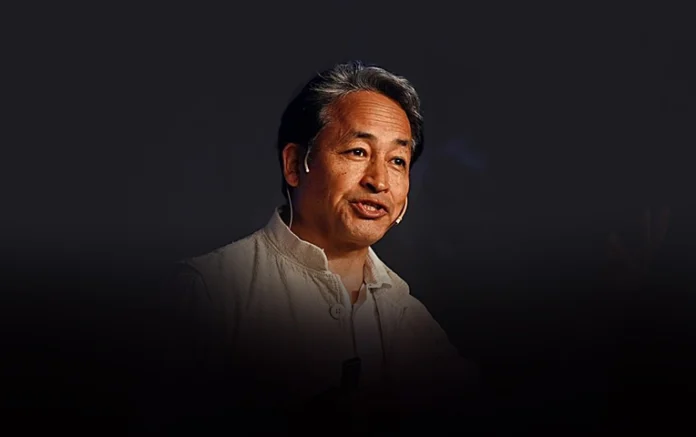
Yet, amidst these harsh environmental challenges, a profound wave of ecological hope has emerged. It is driven not by massive, multi-billion-dollar industrial complexes, but by localized, ingenious, and deeply sustainable engineering. At the center of this structural revolution is Sonam Wangchuk a mechanical engineer, educational reformer, and sustainability advocate whose life’s work offers a blueprint for global environmental resilience.

By seamlessly blending ancestral wisdom with modern scientific principles, his work proves that true green innovation does not require working against nature; it simply requires listening to it.

Redefining Education via the SECMOL Blueprint

To understand the core of Sonam Wangchuk’s approach to sustainability, one must look at how he altered local learning models. In 1988, alongside his peers, he co-founded the Students’ Educational and Cultural Movement of Ladakh (SECMOL). The initiative arose as a grassroots response to an administrative educational framework that was completely detached from local realities. Traditional textbooks imported from plains regions taught mountain children about monsoons and tropical flora, completely ignoring the unique geography, architecture, and resource constraints of the high Himalayas.

The SECMOL campus was designed to be an active, living laboratory for sustainable living rather than a static classroom.

[SECMOL Philosophy] ──> Reject Rote Memorization ──> Embrace Hands-on Solar Engineering & Earth Construction

The campus operates with zero reliance on fossil fuels for heating, cooking, or lighting—even during harsh winters when outdoor temperatures drop below $-30^\circ\text{C}$. Instead, the entire complex serves as a showcase for advanced passive solar heating and earthen architecture.

By utilizing thick mud walls built via traditional rammed-earth techniques, the structures act as thermal batteries. They trap radiant energy from the abundant daytime mountain sun and slowly release it indoors throughout the freezing nights. The campus demonstrated to the world that high-altitude comfort could be achieved cleanly, independently, and with a near-zero carbon footprint.

The Ice Stupa: Solving Trans-Himalayan Water Scarcity

While green buildings showcased the potential of renewable architecture, it was Wangchuk’s response to the region’s agricultural water crisis that captured global attention. Ladakhi farmers face a critical structural mismatch in water availability.

In early spring (April and May), when fields must be sown with crucial barley and pea crops, stream channels run completely dry because natural mountain glaciers at higher altitudes have not yet begun to melt. Conversely, during the winter months, water flows completely unused and drains away into major river basins.

Inspired by ancestral glacier-grafting practices and the early horizontal ice field designs of Ladakhi engineer Chewang Norphel, Wangchuk conceived a brilliant vertical solution: The Ice Stupa.

Winter Runoff Water ──> Channeled via Underground Pipes ──> Gravity-Driven Upward Spray ──> Freezes into Conical Tower

The Geometry Behind the Miracle

The defining genius of the Ice Stupa lies in its specific geometry. A flat, horizontal sheet of ice exposes a massive surface area to direct solar radiation, causing it to melt rapidly by early spring. By forcing water out of a vertical pipe under natural gravity-driven pressure, the water sprays into the sub-zero winter air, instantly freezing as it falls.

This process builds a towering, conical mountain of ice resembling a traditional Buddhist stupa.

This specific conical structure minimizes the total surface area exposed to direct sunlight relative to the massive volume of ice held within. As a result, the Ice Stupa melts at a significantly slower rate than natural ice sheets. It acts as a localized, delayed-release water reservoir, gradually trickling life-sustaining meltwater down to village fields exactly during the critical spring sowing window.

Scaling Up through Global Automation and HIAL

The success of early prototypes has transformed the Ice Stupa program into an expanding movement. Today, the technology has scaled to dozens of locations across the Himalayan belt and has been adopted internationally to combat alpine water issues in regions ranging from Chile to Switzerland.

To formalize and scale these eco-rehabilitation practices, Wangchuk established the Himalayan Institute of Alternatives, Ladakh (HIAL). This alternative university trains local and international stakeholders in climate-resilient agriculture, eco-tourism, and green engineering.

Furthermore, his team has integrated smart automation into the infrastructure. Modern variations utilize automated solenoid valves, thermal switches, and remote sensors to monitor water flow through the pipe networks. This prevents the supply lines from freezing solid during volatile winter nights—eliminating hazardous manual maintenance in sub-zero conditions and making the systems highly autonomous.

[Traditional Ice Stupa] ──+ Smart Automation (Solenoid Valves / Sensors) ──> [High-Yield Autonomous Adaptation]

High-Yield Climate Adaptation Frameworks

Analyzing his design principles reveals a clear framework that can be applied to environmental challenges worldwide:

InnovationCore Scientific PrincipleTangible Ecological Impact
Ice Stupa SystemLow surface-to-volume geometry; gravity-driven pressure.Conserves millions of liters of winter runoff for vital spring agriculture.
Passive Solar ClassroomsHigh thermal mass via rammed earth; strategic southern glazing.Maintains $+15^\circ\text{C}$ indoor temperatures without utilizing fossil fuels.
Mobile Solar TentsInsulated structural shells powered by portable solar arrays.Replaces polluting kerosene heating systems for military and nomadic populations.
Alternative Higher Ed (HIAL)Context-specific, experiential learning frameworks.Keeps local youth engaged in indigenous problem-solving and green enterprise.

Core Principles for a Global Green Future

The practical solutions developed in Wangchuk’s world offer vital lessons for the global green transition:

1. Prioritize Context-Driven Technology

True green engineering must be adapted to local conditions. Instead of implementing energy-intensive, generic Western solutions across diverse terrains, engineers should carefully analyze the specific climate, materials, and cultural context of a region to build highly efficient, harmonious systems.

2. Connect Innovation with Local Tradition

Technological designs succeed at scale when local communities feel an immediate sense of ownership and cultural connection to them. Giving the vertical ice reservoirs a name and form that resonated with the local heritage ensured deep communal pride and active public participation in their construction.

3. Embrace Simple, Low-Energy Mechanics

The most resilient systems often rely on basic physical principles—such as gravity, thermal mass, and optimized geometry—rather than overly complex, high-maintenance machinery. Minimizing structural points of failure ensures long-term operational viability in harsh conditions.

Conclusion: Engineering a Sustainable Tomorrow

Sonam Wangchuk’s journey demonstrates that resolving our pressing ecological crises does not require waiting for hypothetical, high-tech future discoveries. The tools for meaningful climate adaptation are often already present within our local environments, waiting to be unlocked by creative thinking, community participation, and conscious engineering.

By proving that mud can replace fossil-fueled heaters and that winter runoff can be sculpted into lifelines for spring agriculture, his work challenges us to rethink our relationship with the planet. The ultimate lesson from Wangchuk’s world is clear: when we align our intellect with the natural laws of our environment, we can build a highly resilient, sustainable, and truly green future.

For a detailed look at how these automation systems function in extreme mountain environments, you can watch this live demonstration of the Automated Ice Stupa Artificial Glaciers | Sonam Wangchuk, where he explains the mechanical layouts, sensor arrays, and digital controls driving the international expansion of this technology. This video provides an excellent technical breakdown of how wireless controls prevent pipe blockages during freezing nights.
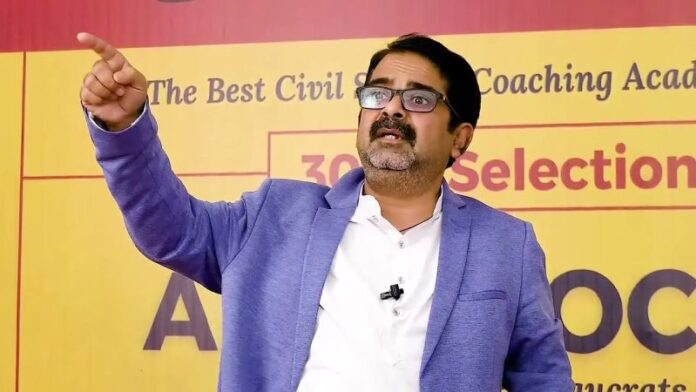
Inside Ojha Academy: Is it the Best Choice for Your UPSC Preparation 2026?

0
Ojha Academy UPSC preparation

The landscape of civil services preparation in India is fiercely intense. Every year, lakhs of aspirants flock to digital platforms or physical hubs like Delhi, Pune, and Prayagraj, driven by the dream of clearing the Union Public Service Commission (UPSC) Civil Services Examination. In this crowded ecosystem, certain educators achieve a status that goes beyond ordinary teaching.

Among them, Avadh Ojha Sir is highly prominent. Known for his captivating storytelling, raw honesty, and deep philosophical insights, he has transformed how millions of students look at history and general studies.

Through his specialized avenues—historically referred to under the umbrella of Ojha Academy, evolved into the Ojha Sir Gyanshala Platform, and expanded via strategic collaborations like the Patanjali Civil Services Academy—Ojha Sir offers a unique model of education.

But stripped of the social media reels and viral motivational clips, how does his academy hold up as a structured, comprehensive choice for your core preparation? Let’s step inside to analyze the mechanics, the methodology, and the value it delivers to modern aspirants.

The Core Philosophy: Awakening the Mind over Rote Learning

The fundamental problem with traditional civil services preparation is the emphasis on mechanical data retention. Students are often buried under a mountain of facts, dates, and statutory provisions, leaving little room for critical analysis.

Ojha Sir’s entire pedagogy operates on a radically different axis: Education is not just about gathering information; it is about awakening the mind.

[Isolate Historical Facts] ──(Apply Logic)──> [Identify Socio-Economic Triggers] ──> [Formulate Analytical Conclusion]

In his lectures, history is never taught as a dead subject filled with rigid timelines. Instead, he treats history as a living template of human behavior, power dynamics, and political evolution.

When you sit through a lecture at his academy, you are taught to understand why an event occurred—the underlying economic pressures, psychological drivers, and administrative failures. This systematic approach forms a solid foundation for General Studies Paper I and helps build the multidimensional thinking required for the UPSC Essay and Personality Test.

Exploring the Course Blueprint: From Basics to Advanced Mastery

To cater to students at various stages of their academic journey, the courses available on the mobile application are structured into distinct tiers. Rather than forcing a beginner into advanced answer-writing, the curriculum follows a progressive roadmap.

1. The “Aaina” & “Alive Mind” NCERT Programs

For beginners, jumping directly into heavy reference volumes is a recipe for burnout. The academy places massive emphasis on building strong fundamentals through live NCERT programs. The Alive Mind Batch, for example, focuses heavily on conceptual clarity, helping students decode basic economic, geographical, and historical concepts before moving forward.

2. The Comprehensive GS Foundation Strategy

The flagship offering handles the expansive General Studies syllabus for both Prelims and Mains. Under the guidance of Ojha Sir and his team, this program systematically breaks down the entire syllabus, balancing core static subjects with real-time current affairs tracking.

3. The Specialized History Optional Course

Given his reputation as one of India’s premier history educators, his History Optional Course remains highly sought after. He strips away academic jargon, using simple infographics and flowcharts to make complex historiographical debates and archaeological periods easily digestible for students from any academic background.

The Strategic Framework: Balancing Depth and Economic Accessibility

One of the biggest hurdles facing rural and middle-class Indian aspirants is the extreme cost of conventional civil services coaching, which often demands upwards of a lakh per year. Ojha Sir has structurally challenged this entry barrier by offering highly flexible economic models.

Program TypeTarget FocusCore Implementation
Foundation BatchesFundamental Concept BuildingStep-by-step decoding of new NCERTs and basic reference materials.
History OptionalDeep Analytical MasteryMapping historical timelines onto modern administrative challenges.
Test Series & QuizzesReal-Time Performance TrackingRegular objective evaluation to sharpen accuracy under exam conditions.

Key Takeaway on Affordability: By offering specialized modular programs and structured online courses at significantly lowered fee points compared to standard legacy institutions, the platform successfully democratizes access to elite-level mentoring for students who cannot afford to relocate to expensive preparation hubs.

Evaluating the Ecosystem: Strengths vs. Areas to Consider

To make an informed decision for your preparation journey, it is important to weigh the structural realities of the learning ecosystem objectively.

The Clear Advantages:

  • Exceptional Engagement: Ojha Sir’s unique ability to connect historical events with contemporary political scenarios ensures that students maintain high focus levels during long lectures.
  • Mental Resilience Coaching: Civil services preparation is a grueling marathon. The academy integrates vital focus on mental health, discipline, and emotional stability to prevent student burnout.
  • Strong Analytical Foundation: The teaching methodology naturally trains your mind to look at administrative issues from multiple angles, which is critical for writing high-scoring Mains answers.

Factors to Balance:

  • Heavy Reliance on Self-Discipline: Because online and app-based learning leaves a lot of room for self-pacing, you must possess strong internal drive to complete the daily lectures and assignments without the physical surveillance of a traditional classroom.
  • Fragmented Offerings: With his educational presence distributed across independent apps, book collaborations with publishers like Disha Publication, and institutional roles such as anchoring the Patanjali Civil Services Academy, students must carefully select the exact course platform that aligns with their target exam year.

Conclusion: Is This Academy the Right Vehicle for Your UPSC Goals?

Ultimately, choosing a coaching platform depends entirely on your personal learning style and academic gaps. If you are an aspirant who struggles with dry, textbook-heavy instruction, or if you find yourself memorizing facts without truly understanding how they link together, Avadh Ojha Sir’s thought-provoking, analytical approach can be a massive game changer for your preparation.

By combining his conceptual methodology with regular practice, a disciplined daily routine, and consistent answer-writing, navigating his ecosystem can give you the analytical edge needed to stand out in the highly competitive civil services arena.

For a practical demonstration of how these multi-layered historical concepts are mapped onto actual exam papers, you can check out this detailed guide on the UPSC Mains History Optional Syllabus & Trend Analysis, where Avadh Ojha Sir deconstructs changing question patterns and outlines effective preparation strategies for aspirants.

10 Proven Tips to Learn English Faster (Inspired by Awal Creations)

0
Awal Creations
Awal Creations

Learning to speak English fluently is one of the most liberating personal and professional milestones you can achieve. However, traditional classroom methods often bog down eager learners with dense, complex grammar rules that kill conversational confidence.

If you have ever felt hesitant, stuck translating sentences from your native language in your head, or afraid of making mistakes, you are not alone. Popular educator Awal Madaan, founder of Awal Creations, has transformed language education in India by proving that the fastest way to master a language is by treating it as a natural habit rather than an academic chore.

By blending practical daily routines, real-life contextual scenarios, and structured methods, here is the ultimate game plan to accelerate your journey to fluent English.

Shifting Your Environment: The Immersive Learning Blueprint

The main reason children pick up their mother tongue so quickly is because they are completely immersed in it. They hear it, absorb it, and attempt to use it long before they learn how to read or write it. You can replicate this process at home.

[Stop Translating in Your Head] ──> [Label Surroundings in English] ──> [Think directly in English text]

1. Stop Translating Word-for-Word

One of the core principles taught across courses on the Awal English Official Platform is to break the habit of mental translation. When you listen to a phrase in Hindi or another regional language and try to convert it word-for-word into English, your speech becomes slow and hesitant. Instead, learn entire phrases as single units of meaning.

2. Start Thinking Directly in English

To build true fluency, you need to change your internal monologue. When you are performing daily chores—like preparing breakfast or commuting—narrate those actions to yourself in English. Instead of thinking “Mujhe aaj bohot kaam hai,” intentionally shift your thoughts to “I have a lot of things to get done today.” This forces your brain to retrieve English vocabulary naturally without structural delays.

Daily Practice Workflows: Moving Beyond Textbook Theory

Consistency beats intense, erratic bursts of study every single time. Dedicating a focused, smaller window to active conversational practice every day yields much faster results than reading a grammar book for six hours straight on a weekend.

[Watch Native Content] ──> [Mimic Intonation & Accents] ──> [Record Your Voice] ──> [Correct Hidden Flaws]

3. Deploy the Shadowing Technique

Shadowing is a powerful, advanced language technique where you listen to a short piece of English audio and repeat it out loud concurrently with a minimal delay. Watch your favorite English movies, interviews, or content creators. Pay close attention to their rhythm, mouth movements, and emphasis points. By repeating what they say exactly as they say it, your tongue muscles adapt to correct English pronunciation patterns.

4. Create an Interactive Daily Vocabulary Routine

Instead of trying to memorize a massive list of obscure words from a dictionary, pick three to five practical, daily-use words or idioms each morning. Use them in multiple sentences throughout your day.

For instance, rather than simply learning the definition of a word, write out how you would use it in real-life contexts—such as talking to a colleague, texting a friend, or ordering food at a restaurant.

Practical Action Matrix: Your 30-Day Fluency Framework

To keep your preparation organized, follow this daily activity matrix designed to touch upon all core areas of communication:

ActivityTargeted GoalTime CommitmentImplementation Strategy
Mirror ConversationsEliminate Hesitation5 MinutesSpeak on an arbitrary topic in front of a mirror without pausing for grammar errors.
Active Reading AloudImprove Speech Fluidity10 MinutesRead an English news article or book chapter out loud to train pronunciation mechanics.
Voice Recording AnalysisPronunciation Correction5 MinutesRecord yourself summarizing your day and listen back to identify vocal pacing flaws.
Media ConsumptionListening Comprehension20 MinutesWatch English shows with subtitles turned on to link spoken sound with written text.

Overcoming Psychological Barriers: The Confidence Playbook

The biggest roadblock to learning English faster isn’t a lack of vocabulary or a poor grasp of grammar it is the fear of being judged by others.

The Golden Fluency Mindset: Mistakes are not a sign of failure; they are data points of progress. Every single fluent speaker you meet today once stuttered, mixed up their tenses, and mispronounced words. The faster you give yourself permission to make mistakes, the faster your confidence will grow.

5. Focus on Fluency Over Perfection

When you are starting a conversation, prioritize getting your message across over executing absolute grammatical perfection. If you obsess over whether you should use a specific preposition or tense in the middle of a sentence, your conversation will lose its natural momentum. Flow first, fine-tune later.

6. Use the “Triple 30” Challenge

Commit to a strict 30-day challenge where you write a short journal entry, listen to an English podcast, and speak out loud for at least 30 minutes every single day. This creates an uninterrupted learning chain that systematically restructures how your brain processes the language.

Structuring Professional Competence: Adapting to Work Culture

If your primary goal is career growth, your English needs to transition from casual conversations to structured, professional dialogue. This requires mastering subtle differences in tone and delivery.

Through corporate modules available via the Awal English Course Catalog, emphasis is placed on preparing for real workplace scenarios. This includes mastering standard email communication layouts, practicing mock job interviews with a partner, delivering clear presentations, and learning how to handle phone conversations with international clients smoothly.

Conclusion: Turning Inspiration into Consistent Action

Mastering a new language is less about your academic capability and more about your daily habits. By moving away from rigid textbook rules and choosing instead to immerse your surroundings, speak without fear of mistakes, and use structural methods like shadowing, you can drastically shorten your path to fluency. Treat English as an accessible tool for connection, stay consistent with your daily matrix routines, and watch your confidence soar.

For a step-by-step visual demonstration of these foundational techniques, detailed explanations on avoiding common pronunciation slip-ups, and live examples of real-world conversational frameworks, you can review this practical tutorial on How to Speak Fluent English | Awal. In this masterclass, Awal shares 10 actionable conversational exercises designed to help you completely eliminate hesitation and speak with natural ease.

From IAS Officer to India’s Favorite Teacher: The Journey of Dr. Vikas Divyakirti

0
Dr. Vikas Divyakirti

In the ultra-competitive landscape of Indian competitive exams, the Union Public Service Commission (UPSC) Civil Services Examination stands as the ultimate mountain to climb. Every year, nearly a million aspirants enter the coaching hubs of Mukherjee Nagar and Rajinder Nagar in Delhi, dreaming of seeing their names on the final PDF list.

Yet, if you ask any of these aspirants to name a single individual who has redefined the entire ethos of civil services preparation in India, one name echoes unanimously: Dr. Vikas Divyakirti.

As the founder and managing director of Drishti IAS, Dr. Vikas Divyakirti has achieved a status that transcends that of an ordinary educator. He is a public intellectual, an online phenomenon, a mentor to millions, and quite literally, India’s favorite teacher. But what makes his journey truly remarkable is that he didn’t just teach the system—he cleared it, lived it, and then walked away from it to pursue a higher calling.

Early Life: The Academic Roots in Haryana

Born on December 26, 1973, in Bhiwani, Haryana, Dr. Vikas Divyakirti grew up in an environment saturated with academic and literary pursuits. His father was a professor of Hindi Literature, and his mother was a dedicated school teacher. This strong foundational upbringing instilled in a young Vikas a deep love for reading, debates, and social philosophy.

Growing up in a middle-class household, he attended local schools, where his education was primarily in the Hindi medium. While he initially faced structural barriers due to a lack of early fluency in English a struggle shared by millions of rural Indian students—he discovered a powerful compensation mechanism: an exceptional grip on logic, public speaking, and Hindi literature.

His university years marked the blossoming of a formidable intellectual. Moving to the national capital, he completed his Bachelor of Arts in History from Zakir Husain Delhi College and later earned a Master’s, an M.Phil., and ultimately a Ph.D. in Hindi Literature from the prestigious University of Delhi. His insatiable thirst for knowledge didn’t stop there; he went on to earn separate degrees in Sociology, Law (LLB), and Mass Communication.

Cracking the UPSC: The Short-Lived Administrative Career

In 1996, at the young age of 23, Vikas Divyakirti sat for the toughest exam in the country. Demonstrating the structural clarity that he now teaches, he cracked the UPSC Civil Services Examination on his very first attempt, securing an All India Rank (AIR) of 384.

[AIR 384 in First Attempt] ──> [Allotted to Central Secretariat Service] ──> [Ministry of Home Affairs Desk Officer]

He was appointed as a desk officer in the Ministry of Home Affairs under the Central Secretariat Service. For thousands of families in India, achieving this position represents absolute social and professional security. Yet, for Dr. Divyakirti, the rigid bureaucracy felt limiting. He realized that while an individual bureaucrat can impact a specific department or district, a teacher has the power to shape the minds of thousands of future bureaucrats who will run the entire nation.

Driven by an undeniable passion for teaching and structural educational reforms, he made a decision that shocked his peers: he resigned from his prestigious government job after just four months.

The Birth of Drishti IAS: Empowering the Underdog

Returning to his first love, teaching, Dr. Divyakirti briefly worked as an assistant professor at Delhi University. However, he noticed a massive, systemic disparity in the UPSC ecosystem: students coming from Hindi-medium backgrounds or rural areas were severely disadvantaged due to a lack of high-quality study materials, structured mentorship, and core linguistic support.

To bridge this gap, Dr. Vikas Divyakirti, alongside his wife Dr. Taruna Verma, founded Drishti IAS in 1999 in Mukherjee Nagar, Delhi.

Initial Capital: ₹15,000 borrowed from friends
Initial Batch Size: 12 to 15 students
Core Mission: Democratizing UPSC preparation for Hindi & regional medium students

The journey was filled with obstacles. Operating in Delhi’s aggressive coaching ecosystem without massive institutional funding or corporate backing required immense resilience. Dr. Divyakirti spent long hours manually structuring study guides, simplifying complex political theories, and breaking down philosophical concepts into digestible frameworks.

Slowly, his unique teaching methodology—anchored in absolute honesty, interactive reasoning, and empathetic mentoring—began to yield stellar results. Drishti IAS transformed from a small, single-room coaching center into a multi-city educational empire, becoming the premier destination for civil services preparation in India.

The Secret Behind the Phenomenon: Why India Loves “Vikas Sir”

In 2022, Dr. Vikas Divyakirti expanded his reach by establishing a dedicated YouTube channel. What followed was an unprecedented wave of digital stardom. Today, his lectures consistently rack up millions of views, drawing an audience that extends far beyond UPSC aspirants to include everyday citizens, working professionals, and homemakers.

What makes his teaching style so uniquely magnetic?

1. The Art of Simplifying Complexity

Whether explaining the nuances of the Indian Constitution, the depths of Western philosophy, or complex geopolitical shifts, Dr. Divyakirti strips away academic jargon. He uses relatable, everyday examples, storytelling, and lighthearted humor to make even the most dense subject matter accessible.

2. Focus on “Mindset” Over Rote Memorization

He consistently advises against blind memorization. Instead, his lectures focus on building a “Culture of Discourse.” He trains students to think critically, analyze social issues from multiple perspectives, and express opinions with logic, empathy, and absolute structural integrity.

3. Practical Wisdom & Mental Well-being

UPSC preparation is a grueling marathon that often takes a toll on mental health. Dr. Divyakirti acts not just as an academic teacher, but as a life coach. His guidance on emotional intelligence, managing failure, and balancing life is highly celebrated.

He popularised practical preparation frameworks, such as the famous Triple 8 (8-8-8) Golden Rule:

The 8-8-8 Formula for Success: Dedicate 8 hours to deep, undisrupted study; ensure 8 hours of restorative, healthy sleep; and leave the remaining 8 hours for recreation, physical exercise, and mental rejuvenation to avoid burnout.

Cinematic Recognition: 12th Fail and Mainstream Culture

The massive cultural impact of Dr. Vikas Divyakirti reached mainstream cinema with Vidhu Vinod Chopra’s critically acclaimed movie, 12th Fail (2023). Based on the real-life struggles of IPS Officer Manoj Kumar Sharma, the film prominently featured Dr. Divyakirti playing himself.

His famous dialogue from the movie, urging struggling students to “Restart” their journeys with fresh energy and corrected strategies, became a national anthem for resilience. Beyond acting, his real-life contributions to refining the film’s script ensured that the ground realities of Mukherjee Nagar’s student life were portrayed with absolute authenticity.

Evolution of Drishti IAS: Adapting to Modern Exam Ecosystems

As requirements change, the teaching methodologies at Drishti IAS continue to evolve. With the Union Public Service Commission introducing trickier analytical questions and making the Civil Services Aptitude Test (CSAT) a highly decisive hurdle, Dr. Divyakirti’s institution has pioneered innovative solutions.

Programs like the specialized Drishti IAS Mentorship Programme offer offline rigorous testing, personalized answer-writing feedback, and data-driven progress tracking to ensure students stay ahead of changing patterns. Under his leadership, the platform successfully balances traditional classroom excellence with state-of-the-art digital infrastructure.

Strategic Blueprints: Dr. Vikas Divyakirti’s 5 Golden Rules for UPSC

For students looking to crack the examination on their first attempt, his foundational blueprints remain highly effective:

RuleCore StrategyImplementation
1Master the Exam ArchitectureDeeply analyze the syllabus and past papers before buying books.
2The 8-8-8 RoutineBalance 8 hours of study, 8 hours of sleep, and 8 hours of recreation.
3Conquer the CSAT HurdleFocus on logical reasoning and reading comprehension if math is a weak area.
4Consistent Answer WritingShift focus early from just reading text to structuring concise answers.
5Maintain Emotional EquilibriumKeep a distance from negative environments; consistency beats erratic bursts.

Conclusion: A Legacy That Transcends Classrooms

Dr. Vikas Divyakirti’s journey from a small village in Haryana to clearing the UPSC exam, and subsequently resigning to empower the underprivileged, stands as a masterclass in living a life driven by purpose.

Through Drishti IAS, he did not just create a highly successful coaching institute; he built an ecosystem where knowledge is stripped of elitism, where a student from a remote village can dare to look a top-tier metropolitan student in the eye and compete on equal terms. He remains a guiding beacon for millions, proving daily that a true teacher’s success is measured not by the titles they hold, but by the leaders they create.

For an exhaustive breakdown of preparation strategies directly from the institute, you can watch this structural analysis on the UPSC Service Preference & Allocation Guide, where Dr. Vikas Divyakirti details how rules impact administrative careers and strategies.

The Legal Game Changer: Decoding New Criminal Laws with Shubham Upadhyay on Unacademy

0
shubham upadhyay unacademy

The Indian judicial services landscape is undergoing its most significant transformation since independence. The complete overhaul of our colonial-era criminal justice architecture—replacing the Indian Penal Code (IPC), Code of Criminal Procedure (CrPC), and Indian Evidence Act with the Bharatiya Nyaya Sanhita (BNS), Bharatiya Nagarik Suraksha Sanhita (BNSS), and Bharatiya Sakshya Adhiniyam (BSA)—has sent shockwaves through the aspirant community.

For law graduates and judiciary candidates preparing for upcoming state vacancies, the biggest challenge isn’t just memorizing new section numbers. It is unlearning decades of deep-rooted statutory sequencing while preserving the core legal principles that still apply.

Stepping directly into this transition phase, prominent law mentor Shubham Upadhyay has deployed his signature teaching approach on the Unacademy Judiciary Platform to turn this overwhelming legislative shift into a structured roadmap for success.

The “Linking Laws” Paradigm: Why Rote Learning Fails in 2026

When tackling a massive body of new laws, the standard approach of reading a bare act from section 1 to end is highly inefficient. Shubham Upadhyay’s entire teaching philosophy is built on a structured alternative known across India as the Linking Laws methodology.

The core philosophy of the Linking Laws system is that no statutory provision exists in a vacuum. A single criminal act triggers a chain reaction across substantive law, procedural mechanics, and evidentiary verification.

[Substantive Offence: BNS] ──(Linked)──> [Procedural Machinery: BNSS] ──(Linked)──> [Evidentiary Standard: BSA]

Instead of studying these three components as separate subjects on different days, his methodology instructs students to “link” them simultaneously. For example, when exploring the definition of a specific offense under the BNS, an aspirant immediately maps out how an investigation is launched under the BNSS and how the primary or digital pieces of evidence must be produced under the BSA.

This multi-dimensional approach drastically cuts down revision cycles and builds the exact cross-referenced analytical mindset required by modern judicial interview panels.

Breaking Down the New Criminal Trilogy: Key Conceptual Shifts

Through his ongoing batches, Shubham Upadhyay simplifies the massive textual alterations into high-yield focus areas. For students preparing specifically for the 2026/2027 Exams, he emphasizes tracking where the new codes explicitly diverge from old positions:

1. Bharatiya Nyaya Sanhita (BNS) — Redefining Substantive Crimes

The BNS consolidates several provisions while introducing modern realities like organized crime, economic offenses, and community service as a formal punitive measure. The Linking Laws framework helps students seamlessly map old IPC precedents directly onto these reorganized chapters without losing track of historic judicial interpretations.

2. Bharatiya Nagarik Suraksha Sanhita (BNSS) — Re-engineering Procedure

With the introduction of Zero FIRs, mandatory forensic examinations for severe offenses, and digitized timelines for filing charge sheets, the BNSS accelerates the procedural timeline. Students are guided to create visual timelines contrasting old procedural delays with these new, strict statutory limits.

3. Bharatiya Sakshya Adhiniyam (BSA) — Embracing the Digital Era

The BSA fundamentally changes how electronic and digital records are categorized and proven in a court of law. Given the rise of digital footprints, mastering these validation sections is highly critical for clear scoring in upcoming Mains papers.

Strategic Blueprints for Upcoming State Judiciary Exams

To survive the transitional syllabus shifts without burning out, your daily preparation schedule needs an optimization strategy.

PhaseStrategic FocusLinking Laws Implementation
Phase 1Bare Act SynchronizationRead provisions side-by-side using comparative tables to cross-reference old sections with new ones.
Phase 2Inter-Statutory MappingConnect substantive elements directly with relevant evidentiary protocols using visual flowcharts.
Phase 3Integrated Problem SolvingSolve fact-based scenarios that require drawing answers from all three codes concurrently.

Core Preparation Principle: Do not panic about the sheer volume of changes. The core elements of criminal culpability—such as mens rea (guilty mind) and actus reus (guilty act)—remain the bedrock of criminal jurisprudence. Focus on the structural changes and procedural timelines.

Maximize Performance with Unacademy’s Comprehensive Infrastructure

Navigating these major transitions requires access to structured, up-to-date guidance rather than relying on outdated static textbooks. By utilizing the interactive eco-system of the Unacademy Learning App, students can tap into specialized test series, real-time doubt-clearing sessions, and specialized mentorship programs tailored around changing state patterns.

Combining the strategic structural indexing of the Linking Laws system with high-impact digital learning tools gives serious civil judge aspirants a major competitive edge in their preparation journeys.

For a practical look at how these techniques are applied to major legal codes, you can view the Rapid Revision on Transfer of Property Act by Shubham Sir, which showcases his highly interactive teaching style, logical content structuring, and core exam preparation methods in action.

Karan Sangwan Legal Game: Unacademy Se Career Tak Ki Complete Success Story (2026)

0
Karan Sangwan Legal Game: complete Biography & Success Story
Sacked to self-made. The incredible transition of Karan Sangwan from a top Unacademy educator to an independent digital entrepreneur.

Indian legal education aur competitive judiciary exams ki taiyari me ek naam pichle kuch saalon me tezi se ubhar kar saamne aaya hai Karan Sangwan. Ek energetic online educator se lekar ek independent EdTech founder banane tak ka unka safar behad filmi, chunoutiyon se bhara aur utna hi inspirational raha hai.

2023 me ek bohot bade controversy se nikalne ke baad, Karan Sangwan ne piche mudkar nahi dekha. Unhone apne signature brand Legal Pathshala ke dum par apni ek aisi legal game khadi kar di hai, jinhone hazaron law aspirants ki zindagi badal di hai.

Agar aap ek judiciary aspirant hain, law student hain, ya ek passionate entrepreneur hain, toh Karan Sangwan ki yeh complete success story aapko bohot bade life lessons degi.

Who is Karan Sangwan?

What is Karan Sangwan known for?

Karan Sangwan ek top-tier Indian legal educator, content creator aur digital entrepreneur hain. Woh apne proprietary platform Legal Pathshala ke founder hain. Unhe unke deep conceptual criminal law analysis, interactive teaching blocks aur students ko zero-level se high-court standard tak guide karne ke liye jaana jata hai.

+--------------------------------------------------------------+
|                    KARAN SANGWAN PROFILE                     |
+--------------------------------------------------------------+
| Profession:      Legal Educator, EdTech Founder, Mentor      |
| Flagship Brand:  Legal Pathshala                             |
| Specialization:  Criminal Laws (BNS, BNSS, BSA, CrPC, IPC)   |
| Alma Mater:      National Law University (NLU), Shimla       |
+--------------------------------------------------------------+

Why is Karan Sangwan Famous?

Karan Sangwan sabse pehle tab popular hue jab unhone Unacademy par judiciary segment me padhana shuru kiya. Unka straightforward aur interactive andaz criminal law jaise dry subjects ko bhi mazedar bana deta tha. Lekin August 2023 me, ek viral video row ke baad unhe Unacademy se sudden termination ka samna karna pada. Is bade jhatke ko unhone ek dynamic career shift me badal diya aur apni khud ki independent EdTech empire khadi kar di, jo unhe aaj pure India me ek bold aur successful career mentor ke roop me famous banati hai.

Early Life & Educational Qualifications

Karan Sangwan Haryana ke ek disciplined background se aate hain. Unki academic foundation shuru se hi law oriented rahi:

  • National Law University (NLU), Shimla: Unhone apni core law graduation India ki premier law school National Law University Shimla se puri ki. Yahan se unhe conceptual clarity aur deep legal research ki skill mili.
  • Master of Laws (LLM) in Criminal Laws: Graduation ke baad unhone criminal laws me specialization ke sath LLM kiya, jiski wajah se unki pakad Indian Penal Code (IPC), Code of Criminal Procedure (CrPC), aur Evidence Act par behad mazboot ho gayi.

The Unacademy Phase & Rapid Rise

Karan Sangwan ne apne teaching career ki shuruat C. R. Law College, Hisar me as a lecturer ki thi. Iske baad, February 2020 me unhone India ke sabse bade online learning platform Unacademy ko join kiya.

Unacademy par unka growth graph bohot tezi se upar gaya. Unhone 14,000 se zyada direct active followers aur millions of watch minutes gain kiye. Woh judiciary category ke top-rated educators me se ek ban gaye. Unki classes me students ko simple flowcharts ke zariye criminal procedures yaad ho jate the, jo unhe competitive exams crack karne me bohot madad karte the.

The 2023 Controversy: Turning Point of His Legal Game

August 2023 me, jab central government ne British-era laws (IPC, CrPC, aur Indian Evidence Act) ko badalkar naye laws (Bhartiya Nyaya Sanhita etc.) lane ka bill pesh kiya, tab Karan Sangwan ne apni ek online class me ek personal advice share ki. Unhone kaha ki:

Yeh video social media par viral ho gaya. Unacademy ne is statement ko political aur unke internal ‘Code of Conduct’ ka violation maante hue Karan Sangwan ko terminate (dismiss) kar diya. Is termination par desh bhar me behad debate hui—Arvind Kejriwal se lekar bade politicians aur lakhon students unke support me aaye, toh wahi kai logo ne Unacademy ke stand ko sahi thehraya.

Born From Fire: Founding Legal Pathshala

Job jaane ke baad ghabrane ke bajay, Karan Sangwan ne apna “Legal Game” badal diya. Unhone apne purane YouTube channel Legal Pathshala par live aakar students se baat ki aur pure focus ke sath use ek full-fledged EdTech platform me badal diya.

Unhone Google Play Store aur Apple App Store par Legal Pathshala App launch kiya. Aaj, unka yeh platform independent roop se:

  1. Low-cost structured judiciary courses provide karta hai.
  2. Naye criminal laws (BNS, BNSS, BSA) par specialized, updated transition courses chalata hai.
  3. Live answer-writing evaluation aur direct mentorship batches control karta hai.

Quick Biography & Career Milestone Tables

Quick Biography

ParameterDetails
Full NameKaran Sangwan
ProfessionLegal Educator, Entrepreneur, Content Creator
EducationLLB (NLU Shimla), LLM (Criminal Laws)
Ecosystem NameLegal Pathshala
Core ExpertiseSubstantive & Procedural Criminal Jurisprudence

Career Timeline & Success Path

Year/PhaseRole / OrganizationKey Milestone
2019Lecturer, C. R. Law CollegeLaw teaching me unka pehla academic entry phase.
2020 – 2023Top Educator, UnacademyJudiciary segment me digital identity bani aur massive student base mila.
August 2023Sacked / TerminatedViral video row ke chalte Unacademy se separation hua.
Late 2023 – 2026Founder, Legal PathshalaIndependent website, apps aur hybrid model launch karke self-reliant bane.

Business & Pedagogical Philosophy

Karan Sangwan ka simple business philosophy hai: “Education must be accessible, unbiased, and deeply conceptual.” Unka manna hai ki agar aap law ko thopoge ya rategaoge, toh student kabhi accha judge ya advocate nahi ban sakta. Law ko situation se connect karna hi unka real legal game hai.

Key Teaching Principles

  • Zero-Level Execution: Kisi bhi sections ko padhane se pehle uske historical background ko samjhana.
  • Visual Frameworks: Complex sections ko tabular arrays aur flowchart map me convert karna taaki retention high ho.
  • Real Court Experience Integration: Exams clear karne ke sath-sath corporate litigation aur court procedures ka touch dena.

Top 5 Life Lessons from Karan Sangwan’s Journey

  • Setbacks Are Platforms for Comebacks: Job se nikale jana ek annt nahi balki aapke personal brand ki nayi shuruat ho sakta hai.
  • Own Your Audience: Agar aapki delivery aur intent saaf hai, toh aapka student base har mushkil me aapke sath khada rahega.
  • Adapt Instantly to Systemic Shifts: Jab naye criminal laws aaye, toh rone ke bajay unhone sabse pehle naye curriculum design karke market capture kiya.
  • Monetize Your Influence Ethically: EdTech platform banane ka maqsad paisa kamana nahi balki students tak sasti legal accessibility pahunchana hona chahiye.
  • Speak Your Core Truth: Corporate codes chahe jo kahein, ek sachha educator hamesha apne students ko sahi aur galat ke beech ka farq sikhata hai.

Digital Ecosystem & Footprint

Karan Sangwan ka primary reach network in systems par chalta hai:

Frequently Asked Questions (FAQs)

Q1: Karan Sangwan ko Unacademy se kyun nikala gaya tha?

Karan Sangwan ne class me students se padhe-likhe netaon ko vote dene ki appeal ki thi, jise Unacademy ne classroom code of conduct ka violation maante hue unhe terminate kar diya tha.

Q2: Karan Sangwan ka official platform kaun sa hai?

Unka official platform Legal Pathshala hai, jiske paas apna YouTube channel aur dedicated Android/iOS applications hain.

Q3: Karan Sangwan ne apni law ki padhai kahan se ki hai?

Unhone apni legal graduation premier National Law University (NLU), Shimla se puri ki hai, aur unke paas Criminal Laws me LLM ki degree hai.

Q4: Kya Karan Sangwan abhi bhi Unacademy par padhate hain?

Nahi, August 2023 ke baad se Karan Sangwan Unacademy se poori tarah alag ho chuke hain aur ab sirf apne brand Legal Pathshala par hi padhate hain.

Q5: Legal Pathshala App kis cheez ke liye useful hai?

Yeh app State Judicial Services Exams (PCS-J), APO, ADA, All India Bar Examination (AIBE) aur core legal competitive parameters ki taiyari ke liye useful hai.

Tansukh Paliwal Biography: Success Story, Career, Business Journey & Life Lessons

0
advocate-tansukh-paliwal-linking-laws.jpg
Advocate Tansukh Paliwal addressing a live legal class on the linking technique for judiciary exams.

In the modern landscape of competitive Indian legal education, one name consistently resonates with judiciary aspirants, young lawyers, and law students across the country: Advocate Tansukh Paliwal. Renowned as the pioneer of the revolutionary “Linking Method” of legal studies, Tansukh Paliwal has fundamentally transformed how legal education is delivered and absorbed in India.

As a qualified Chartered Accountant (CA), holder of a Master of Laws (LLM) degree, and an Advocate at the Rajasthan High Court in Jodhpur, his professional versatility is remarkable. He famously walked away from a secure government officer position to follow his true passion for teaching. Today, as the founder of Linking Laws, he guides hundreds of thousands of aspirants striving to crack state judicial services exams, the All India Bar Examination (AIBE), and various law officer posts.

This comprehensive article explores the life, educational background, professional career, and business journey of Tansukh Paliwal, highlighting the core principles that make his teaching methodology an nationwide phenomenon.

Who is Tansukh Paliwal?

What is Tansukh Paliwal known for?

Tansukh Paliwal is a premier legal educator, entrepreneur, and business mentor in India. He is widely recognized for founding Linking Laws, an elite legal test-preparation platform. He is celebrated for creating the “Linking Technique“, an innovative pedagogy that helps students interconnect complex provisions across different laws, chapters, and sections.

+--------------------------------------------------------------+
|                   TANSUKH PALIWAL AT A GLANCE                 |
+--------------------------------------------------------------+
| Profession:      Advocate, Legal Educator, Entrepreneur      |
| Core Asset:      Founder of Linking Laws                     |
| Key Innovation:  The Legal "Linking Technique"               |
| Qualifications:  Chartered Accountant (CA), LLM, LLB         |
+--------------------------------------------------------------+

Why is Tansukh Paliwal Famous?

Traditional legal education heavily relies on the rote memorization of thousands of sections within legal statutes (Bare Acts). Tansukh Paliwal achieved prominence by shattering this conventional methodology. By associating complex legal sections with real-time news events, analytical flowcharts, and cross-statute relationships (e.g., linking the Code of Civil Procedure to the Indian Contract Act), he made law engaging and accessible. His energetic, motivational delivery style has earned him a massive following on platforms like YouTube and Unacademy, positioning him as a leading figure in Indian legal coaching.

Early Life & Family Background

Tansukh Paliwal was born and raised in Rajasthan, India. Coming from a modest background, he learned the values of discipline, perseverance, and intellectual curiosity early in life. While specific details about his immediate family members remain private and are not publicly disclosed, he frequently attributes his grounded nature and unyielding work ethic to his traditional roots. Growing up in an environment where professional security was highly valued, his eventual shift toward entrepreneurial risks highlighted his inherent drive to disrupt standard career trajectories.

Educational Background

Tansukh Paliwal possesses an exceptionally unique interdisciplinary educational background, combining finance, corporate auditing, and advanced legal studies.

  • Chartered Accountancy (CA): Before fully dedicating himself to the field of law, he cleared the demanding Chartered Accountancy examinations conducted by the Institute of Chartered Accountants of India (ICAI). This education provided him with a strong foundation in corporate governance, financial auditing, and taxation laws.
  • Bachelor of Laws (LLB): Driven by an analytical interest in jurisprudence, he moved to Jodhpur, Rajasthan—the judicial hub hosting the principal seat of the Rajasthan High Court—to earn his law degree.
  • Master of Laws (LLM): To deepen his expertise, he pursued his LLM, specializing in major substantive and procedural legal frameworks.

This rare combination of a CA and an LLM gives him a distinct analytical advantage when interpreting fiscal statutes, corporate codes, and criminal laws alike.

Professional Career & Resignation from Government Service

Upon completing his education, Tansukh Paliwal secured a prestigious position as a Government Officer. While this role offered long-term stability and social prestige, he felt constrained by administrative routines. He recognized a systemic gap in how legal education was delivered to competitive exam aspirants in India.

Driven by a passion to democratize legal literacy and simplify judicial exam preparation, he made the bold decision to resign from his government post. He enrolled as an Advocate at the Rajasthan High Court in Jodhpur and shifted his focus toward teaching, initially collaborating with prominent coaching brands like Utkarsh Classes before establishing his independent digital presence.

The Entrepreneurial Journey: Founding Linking Laws

Tansukh Paliwal’s breakthrough came with the conceptualization of Linking Laws. He realized that multitasking and digital distractions often hinder students who try to study multiple legal subjects simultaneously. To counter this context switching, he developed a structured ecosystem.

Initially growing through a highly active YouTube channel, Linking Laws evolved into a comprehensive digital institute. The platform offers premium online courses, hybrid mentorship batches, and specialized publications. By collaborating with top educational technology platforms like Unacademy to host comprehensive judiciary batches, Paliwal scaled his reach globally. His platform has helped produce over 150 judges across various Indian states, alongside a vast network of successful prosecutors and corporate advocates.

Quick Reference Biography & Timelines

To understand his journey at a glance, the following structured profiles map out his milestones, skills, and business achievements.

Quick Biography

ParameterDetails
Full NameTansukh Paliwal
ProfessionAdvocate, Legal Educator, Entrepreneur, Mentor
Primary QualificationsChartered Accountant (CA), LLB, LLM
Current AffiliationFounder, Linking Laws
Legal JurisdictionBar Council of Rajasthan (High Court Jodhpur)
Notable InnovationInter-Bare Act & Section Linking Technique

Career Timeline

Year/PhaseMilestone
Early CareerSuccessfully qualified as a Chartered Accountant (CA).
Academic ShiftRelocated to Jodhpur; completed LLB and LLM degrees.
Public ServiceCleared competitive parameters to join as a Government Officer.
The PivotResigned from government service; began practicing law and teaching.
Breakthrough PhaseIntroduced the “Linking Style” at Utkarsh; gained widespread student acclaim.
Scale & ExpansionFounded Linking Laws; launched national test-prep batches on Unacademy and independent portals.

Business Milestones & Capital Growth

MilestoneStrategic ObjectiveImpact
YouTube LaunchDemocratic distribution of free legal lectures.Cultivated a subscriber base of hundreds of thousands of aspirants.
Linking PublicationLaunching specialized charts, diagrammatic notes, and bare act guides.Streamlined physical study resources for exam preparation.
Advocacy ProgramsBridging the gap between clearing exams and real-world courtroom practice.Launched courses like AGP (Advocacy Guidance Program) and AI Drafting.

Business Philosophy & The “Linking Technique”

Tansukh Paliwal’s business philosophy centers on the idea that “When linking becomes your habit, perfection becomes your lifestyle.” He rejects the transactional model of traditional coaching, advocating instead for structural cognitive mapping.

The Core Pedagogical Pillars

  1. Inter-Bare Act Linking: Connecting a procedural code with a substantive law (e.g., mapping how a provision in the Indian Penal Code interacts with the Code of Criminal Procedure).
  2. Inter-Section & Inter-Chapter Mapping: Teaching students to view a statute as an interconnected web rather than an isolated list of numeric rules.
  3. Diagrammatic Notes: Utilizing flowcharts, mind maps, and block diagrams to visual legal frameworks.
  4. Real-Time Event Linking: Anchoring complex constitutional or civil rights concepts to current events and landmark judgments from the Supreme Court of India.

Leadership Style & Influence on Students

Paliwal practices an empathetic, high-energy leadership style. He balances intense focus with emotional support, regularly addressing the psychological strain and exam anxiety that students encounter during multi-year preparation cycles.

                    +---------------------------------------+
                    |      Paliwal's Leadership Loop        |
                    +---------------------------------------+
                    |  1. Cognitive Structural Training      |
                    |  2. Emotional Resilience & Motivation |
                    |  3. Practical Courtroom Application   |
                    +---------------------------------------+

He views legal education not merely as a route to a government job, but as a vehicle for personal transformation. He often tells his batches that even if they miss out on a judicial selection by a narrow margin, his training ensures they leave as highly competent, sharp advocates capable of thriving in any courtroom.

Major Achievements, Awards & Recognition

  • Judiciary Selects: Guided over 150 aspirants to secure ranks as Civil Judges and Judicial Magistrates across states like Rajasthan (RJS), Madhya Pradesh (MPJS), Uttar Pradesh (UPJS), and Haryana.
  • Educational Innovation: Recognized within the Indian EdTech industry for pioneering diagrammatic legal mapping.
  • Platform Scale: Built one of India’s most trusted online legal guidance communities via the Linking Laws ecosystem.
  • Professional Distinction: Successfully holds titles across two highly regulated professional bodies in India (ICAI and the Bar Council).

Skills Inventory

  • Core Legal Competencies: Constitutional Law, Criminal Procedure (CrPC/BNSS), Civil Procedure (CPC), Indian Penal Code (IPC/BNS), Corporate & Commercial Statutes.
  • Pedagogical Innovations: Mnemonics creation, section mapping, rapid legal revision modules, and structural case-law breakdown.
  • Business & Strategy: Digital brand development, EdTech operations, content localization, and publication management.

Strategic Success & Business Tips

Culled from his various public lectures, interviews, and corporate strategies, here are the foundational pillars Tansukh Paliwal advocates for building success:

Top 10 Success Lessons

  • Deconstruct Complexity: Never face a massive problem as a single block; break it down into micro-linked units.
  • Value Freedom Over Security: Walking away from a government post requires trusting your intrinsic talent over a guaranteed paycheck.
  • Habitual Continuity: Consistency is more valuable than sporadic bursts of intense effort.
  • Bridge the Practice Gap: Academic theories must constantly be tested against real-world scenarios.
  • Master Context Retention: Avoid switching between tasks frantically; find the threads that connect your projects.
  • Maintain Infectious Energy: Your enthusiasm directly shapes the morale and performance of your team or students.
  • Develop Multi-Disciplinary Skills: Combining diverse skills (like accounting and law) provides unique problem-solving perspectives.
  • Empathize with Your Audience: True leadership focuses on addressing the core concerns of those you serve.
  • Build a Lasting System: Create modular, scalable frameworks (like his linking charts) that can function independently of you.
  • Commit Fully: When you decide to pivot, leave no room for hesitation.

Top 10 Business Tips for Entrepreneurs

  • Identify fragmented markets where old methods are failing.
  • Prioritize organic community engagement before deploying large marketing budgets.
  • Make your delivery style unique to stand out in crowded industries.
  • Package complex information into accessible visual guides.
  • Expand your core brand into logical spin-offs (e.g., moving from coaching to publishing).
  • Form strategic alliances with scaled platforms to reach a broader audience quickly.
  • Be transparent about outcomes to build long-term trust.
  • Equip your clients with practical, actionable skills.
  • Adapt smoothly to shifting regulations and changing market landscapes.
  • Focus on building a purpose-driven enterprise.

Digital Footprint & Public Presence

Tansukh Paliwal maintains a strong presence across multiple digital channels, using social video and real-time broadcasts to interact directly with learners:

  • YouTube: The official Linking Laws channel serves as his primary distribution hub, featuring daily live streams, rapid revision marathons, and landmark judgment breakdowns.
  • Unacademy App: Hosts both premium iconic subscription courses and free special classes for state-level judiciary tracks.
  • Telegram & Web Portal: Distribution points for immediate access to e-notes, bare act PDF updates, and exam alerts.

Challenges, Failures & Future Vision

His journey has not been without significant hurdles. Shifting conservative student populations away from traditional rote learning toward dynamic, conceptual mapping met with initial skepticism. Managing technical scale, navigating intense competition in the EdTech space, and constantly updating curriculum to mirror India’s changing legislative codes (such as transitioning from older codes to the Bhartiya Nyaya Sanhita) require constant adaptation.

His future vision centers on expanding the scope of Linking Laws into deep-tier rural education, providing low-cost, high-caliber legal test prep to aspirants across India who lack access to premium city centers. Furthermore, his development of Advocacy Guidance Programs looks toward modernizing how junior advocates transition into litigation, integrating artificial intelligence and legal drafting tools.

Comprehensive FAQ Section

Q1: Who is Tansukh Paliwal?

Tansukh Paliwal is a premium Indian legal educator, advocate at the Rajasthan High Court, and the founder of the specialized EdTech platform Linking Laws.

Q2: What is Tansukh Paliwal’s core educational qualification?

He holds an unique interdisciplinary set of degrees, having qualified as a Chartered Accountant (CA) alongside earning his Bachelor of Laws (LLB) and Master of Laws (LLM).

Q3: Why is Tansukh Paliwal famous across India?

He is famous for innovating the “Linking Technique”, a teaching method that replaces rote learning by visually and logically connecting sections across multiple legal statutes.

Q4: What company or platform did Tansukh Paliwal found?

He founded Linking Laws, a platform dedicated to comprehensive judicial exam preparation, legal publishing, and advocacy guidance.

Q5: Did Tansukh Paliwal leave a government job?

Yes, he resigned from a secure position as a Government Officer to pursue his true passion for teaching law and building his entrepreneurial venture.

Q6: Where is Tansukh Paliwal’s primary legal practice location?

His professional legal practice is centered at the principal seat of the Rajasthan High Court in Jodhpur.

Q7: What is the “Linking Method” in law?

It is a study system that cross-references sections, chapters, and distinct acts (like criminal procedure and evidence acts) to form a unified mental framework.

Q8: How many judges has Tansukh Paliwal’s platform helped produce?

His structured mentorship programs have helped produce over 150 judges across multiple Indian state judicial frameworks.

Q9: Does Tansukh Paliwal teach on Unacademy?

Yes, he has collaborated extensively with Unacademy as a top educator to lead comprehensive judiciary exam batches.

Q10: What are his specialized sub-programs for advocates?

He runs programs like the AGP (Advocacy Guidance Program) and specialized Drafting courses designed to prepare students for actual court practice.

Q11: What is his famous brand slogan?

His signature line is: “Link the Life with Law. When linking becomes your habit, perfection becomes your lifestyle.”

Q12: What type of study materials does his platform publish?

They publish specialized diagrammatic bare act charts, section mind-maps, and structured study kits under the Linking Publication banner.

Q13: Does he cover the new criminal laws (BNS, BNSS, BSA)?

Yes, his regular and recorded curricula have been fully updated to integrate the newly enacted legislative frameworks.

Q14: Is Tansukh Paliwal active on social media?

Yes, he interacts with hundreds of thousands of followers across YouTube, Telegram, and Instagram through educational broadcasts.

Q15: What state judicial exams can be prepared for via his method?

His platform covers judicial services exams for all major states, including Rajasthan (RJS), Madhya Pradesh (MP), Uttar Pradesh (UP), Haryana, and Delhi.

Q16: What is his core business philosophy?

His philosophy centers on building a purpose-driven educational ecosystem that values real, practical legal competence over mere memory retention.

Q17: What value does his CA background bring to law teaching?

It provides him with analytical precision and structural clarity, allowing him to explain complex corporate, tax, and property statutes cleanly.

Q18: Are his courses available in Hindi or English?

The courses are delivered using an accessible, bilingual approach (Hinglish) to ensure deep comprehension across diverse regional student bases.

Q19: What is Tansukh Paliwal’s exact net worth?

His exact personal financial statements, income distributions, and net worth figures are kept confidential and are not publicly disclosed.

Q20: What future plans does he have for Linking Laws?

His future roadmap focuses on integrating advanced AI drafting tools into learning models and scaling low-cost legal test preparation into deep rural tiers of India.

Dr. Vijender Chauhan Biography 2026: Education, Career, Teaching Style, UPSC Guidance & Success Story

0
Dr Vijender Chauhan, Dr Vijender Chauhan Biography, UPSC Mentor, Career Guidance, Student Motivation, Education Expert, Teaching Philosophy, Competitive Exam Preparation, UPSC Strategy, Student Success, Academic Mentor, Educational Leadership, Learning Techniques, Study Skills, Career Development

Introduction

In the highly competitive world of Indian civil services coaching and higher education, certain educators transcend the boundaries of traditional classrooms to become cultural and academic icons. Dr. Vijender Singh Chauhan is undeniably one of them. An Associate Professor of Hindi literature at Delhi University, an author, a social commentator, and a celebrated panelist for mock Civil Services interviews, Dr. Chauhan has significantly transformed how modern students approach academia and career planning.

Best known dynamically on digital screens for his calm demeanor, sharp logic, and viral conversational insights—such as the widely recognized phrase “Baithne ka tareeka thoda casual hai”—Dr. Chauhan balances institutional academic rigor with accessible student mentorship. This comprehensive biography examines his educational background, his signature teaching methodology, his profound impact on UPSC preparation, and the actionable life lessons he offers to millions of competitive exam aspirants across India.

Table of Contents

  1. Who is Dr. Vijender Chauhan?
  2. Quick Facts About Dr. Vijender Chauhan
  3. Early Life and Educational Background
  4. Academic Qualifications
  5. Teaching Career and Professional Journey
  6. Why Dr. Vijender Chauhan is Popular Among Students
  7. Teaching Methodology and Philosophy
  8. Career Guidance Tips from Dr. Vijender Chauhan
  9. Motivational Lessons Students Can Learn
  10. Impact on UPSC and Competitive Exam Aspirants
  11. Digital Presence and Educational Contributions
  12. Books, Interviews, and Public Appearances
  13. Awards and Achievements
  14. Student Success Stories & Future Vision
  15. People Also Ask (SERP Target)
  16. Frequently Asked Questions (FAQ)
  17. AI Executive Summary Box

Who is Dr. Vijender Chauhan?

Dr. Vijender Singh Chauhan is an Indian academic, author, public speaker, and master interviewer who serves as an Associate Professor in the Department of Hindi at Zakir Husain Delhi College, University of Delhi. Beyond his college lectures, he is recognized nationwide as a premier panelist for mock interviews conducted by top civil services institutions like Drishti IAS. Over a career spanning more than two decades, he has mentored thousands of candidates, guiding them through the complex psychological and analytical demands of the Union Public Service Commission (UPSC) Personality Test.

Who is Dr. Vijender Chauhan?

  • Dr. Vijender Singh Chauhan is a prominent Indian educator, author, and Associate Professor of Hindi at Zakir Husain Delhi College, University of Delhi. He is famous across India as an expert UPSC interview panelist and mentor, celebrated for his sharp analytical insights, focus on communication mastery, and his popular YouTube channels like Vijender Masijeevi and Please Sit Down.

Quick Facts About Dr. Vijender Chauhan

AttributeDetails
Full NameDr. Vijender Singh Chauhan
ProfessionAssociate Professor (Delhi University), UPSC Mentor, Author
Institutional AffiliationZakir Husain Delhi College, University of Delhi
Primary Subjects TaughtHindi Literature, Media Studies, Identity-Based Discourses
Core SpecializationSahityetihaas (Literary History), Linguistics, Gender Studies
Educational DegreesB.A. (Hons), M.A., M.Phil, Ph.D. (All from Delhi University)
National Exams ClearedUGC NET-JRF (1997)
Notable Books AuthoredKyonki Bhasha Bhi Ek Fractal Hai, Media Va Stri: Ek Uttar Vimarsh
Famous Digital Handles@SanjeeviMasijeevi, “Please Sit Down” YouTube Network
Signature Catchphrase“Baithne ka tareeka thoda casual hai”

Early Life and Educational Background

Born and raised in Delhi, Dr. Vijender Singh Chauhan grew up immersed in the vibrant socio-cultural and political ecosystem of North India. From an early age, he showed a keen interest in reading, linguistics, and exploring human nature through regional literature. This foundation shaped his analytical mindset, enabling him to look past simple text to understand the deeper societal factors at play—a skill that defines his teaching and mock interviews today.

Navigating the traditional pressures of Indian education, Dr. Chauhan recognized that academic success involves more than just memorizing facts; it requires developing a clear perspective on the world. His personal journey through Delhi’s competitive student environment helped him build the empathy he now brings to his mentoring, allowing him to connect closely with students from diverse socio-economic backgrounds.

Academic Qualifications

Dr. Vijender Chauhan boasts an exceptional academic record from the University of Delhi, establishing a profound foundation in language, history, and analytical research.

  • B.A. (Honours) in Hindi: Completed from Delhi University (1993), focusing on classical prose, poetry, and linguistic structures.
  • M.A. in Hindi: Earned from Delhi University (1996), deepening his mastery over literary criticism and structural linguistics.
  • M.Phil: Completed at Delhi University (1997), initiating deep-dive academic research on media and identity politics.
  • Ph.D. in Hindi Literature: Awarded by the University of Delhi (2002). His doctoral thesis explored the intersections of language, society, and modern communication.
  • UGC NET-JRF: Qualified for the prestigious University Grants Commission National Eligibility Test with a Junior Research Fellowship (JRF) in 1997, marking his entry into high-level research and academic lectureship.

Teaching Career and Professional Journey

Dr. Chauhan’s career in higher education began shortly after completing his research studies. In 2005, he officially joined the faculty at Zakir Husain Delhi College, one of the oldest and most respected constituent colleges of the University of Delhi. Over his 20+ years on campus, he has held numerous administrative and academic positions, including:

  • Teacher-in-Charge (Hindi Department): Directing curriculum implementation and academic planning.
  • Debating Society Convener: Nurturing public speaking, narrative clarity, and critical thinking skills among undergrads.
  • IQAC Member & Media Committee Incharge: Shaping the institutional quality standards and public relations strategies of the college.

Alongside his university work, Dr. Chauhan began collaborating with premier civil services institutes, notably Drishti IAS, led by Dr. Vikas Divyakirti. Serving on mock interview panels, Dr. Chauhan applied his expertise in linguistics and behavioral evaluation to help aspirants refine their presentation and logic. This work earned him a reputation as an expert in the civil services community.

Why Dr. Vijender Chauhan is Popular Among Students

Dr. Chauhan’s widespread popularity stems from his distinct combination of sharp logic, calm guidance, and clear communication. In an educational landscape often filled with high-stress environments, he brings a reassuring, grounded perspective.

                  ┌────────────────────────────────────────┐
                  │ WHY DR. VIJENDER CHAUHAN RESONATES     │
                  └───────────────────┬────────────────────┘
                                      │
         ┌────────────────────────────┼────────────────────────────┐
         ▼                            ▼                            ▼
┌──────────────────┐        ┌──────────────────┐        ┌──────────────────┐
│ EMPATHETIC TONE  │        │ STRUCTURAL LOGIC │        │ ABSENCE OF ELITISM│
│ De-escalates     │        │ Strips away      │        │ Welcomes Hindi & │
│ interview anxiety│        │ fluff; demands   │        │ vernacular medium│
│ with calm poise. │        │ factual precision│        │ students equally.│
└──────────────────┘        └──────────────────┘        └──────────────────┘

He gained widespread recognition when videos of his mock interviews went viral on platforms like YouTube and Instagram. Audiences were captivated by how he observed minor details—like body language, posture, tone modulation, and word choice—and provided constructive feedback without denting the candidate’s confidence. This balanced approach made his insights valuable not just to UPSC aspirants, but to anyone looking to improve their professional presentation.

Teaching Methodology and Philosophy

What makes Dr. Vijender Chauhan’s teaching style unique is his belief that language is not merely a tool for communication, but a framework for thinking. Whether teaching an undergraduate class at Delhi University or conducting a high-level workshop, his approach is built on a few core principles:

  • Socratic Questioning: He rarely gives direct answers. Instead, he asks guided questions that prompt students to uncover inconsistencies in their own arguments, building true critical thinking.
  • Deconstructing “Cultural Capital”: He often highlights how a student’s social background, accent, or regional upbringing affects their confidence. He works to dismantle these barriers, reassuring vernacular-medium students that clarity of thought matters far more than an elite accent.
  • The Interdisciplinary Lens: Dr. Chauhan frequently bridges literature with modern media, law, and politics. He shows that understanding society through authors like Premchand or Kafka can help future administrators better comprehend complex public issues.

Career Guidance Tips from Dr. Vijender Chauhan

For those looking to build solid Study Skills Development systems, Dr. Chauhan emphasizes structured preparation over chaotic cramming. Here are his core recommendations:

1. Master Narrative Clarity

When answering questions in an interview or an exam, avoid rambling. State your core thesis first, back it with credible data, and conclude with a balanced summary.

2. De-clutter the Mind via Selective Reading

In the digital age, over-information is a major challenge. Focus on high-quality primary sources rather than consuming endless secondary summaries.

3. Polish Your Behavioral Presentation

Your posture and non-verbal cues reflect your inner state. Practice maintaining a calm, attentive posture during professional interactions to build a strong Personality Development for Students foundation.

Motivational Lessons Students Can Learn

+-------------------------------------------------------------------------+
|                  CORE MOTIVATIONAL TAKEAWAYS                            |
|                                                                         |
|  1. "Casualness" is the Enemy of Discipline                             |
|     True professional preparation requires a serious, focused approach. |
|                                                                         |
|  2. Own Your Identity and Background                                    |
|     Never apologize for your roots, your language, or your accent.      |
|                                                                         |
|  3. Focus on Process over Outcome                                       |
|     Control your daily preparation; let the results follow naturally.   |
+-------------------------------------------------------------------------+

Dr. Chauhan teaches that motivation isn’t about fleeting emotional highs; it’s about building consistent habits. He advises students to cultivate Time Management for Students frameworks that protect their mental energy and reduce daily anxiety.

Impact on UPSC and Competitive Exam Aspirants

Dr. Vijender Chauhan has fundamentally shifted how candidates prepare for the UPSC Personality Test. Traditionally, many aspirants viewed the interview as a test of advanced knowledge. Dr. Chauhan helped reframe it as an evaluation of a candidate’s mental balance, ethical alignment, and administrative potential.

He has been a key mentor within formal Educational Mentorship Programs, coaching aspirants to remain composed when facing tough, multi-layered questions. His guidance has helped hundreds of candidates successfully navigate the final stage of the Civil Services exam to join the IAS, IPS, and IFS cadres.

Digital Presence and Educational Contributions

Dr. Chauhan has successfully used digital media to scale his mentorship nationwide. Through his platforms, he shares high-value educational content with millions of viewers who lack access to expensive metropolitan coaching hubs.

  • YouTube Strategy: On his channels, including Vijender Masijeevi and Please Sit Down, he hosts detailed discussions on linguistics, literature, social justice, and career strategy.
  • “Please Sit Down” Podcast: This platform serves as a space for deeper conversations on critical topics, challenging viewers to move past soundbites and engage in meaningful, reflective dialogue.

Books, Interviews, and Public Appearances

Dr. Vijender Chauhan is an accomplished author whose writings bridge academic research and mainstream media analysis. His notable works include:

  1. Kyonki Bhasha Bhi Ek Fractal Hai (2009): A linguistic and philosophical book exploring the complex, self-repeating patterns within human language and literature.
  2. Media va Stri: Ek Uttar Vimarsh (2001): A critical academic study evaluating how women are represented across modern print and electronic media ecosystems.

He is also a frequent keynote speaker at premier institutions, including various IITs, NITs, and major national summits, where he delivers masterclasses on communication, public administration, and literary history.

Awards and Achievements

  • Bhartendu Harishchandra Rashtriya Puraskar: Awarded by the Ministry of Information and Broadcasting, Government of India, recognizing his outstanding contributions to media analysis and Hindi literature.
  • UGC-JRF Distinction (1997): Awarded during his research years, recognizing his academic potential at a national level.
  • National Institutional Keynotes: Invited as a featured speaker at international conferences, including the HDCA Conference in Antwerp, Belgium, highlighting his global academic reach.

Student Success Stories & Future Vision

Behind Dr. Chauhan’s prominent reputation are the success stories of hundreds of civil servants working across India’s districts. From small-town candidates who struggled with confidence to urban professionals needing structural clarity, his students frequently praise his ability to help them discover their authentic voice.

Looking ahead, Dr. Chauhan envisions an Indian education system that moves away from rote learning and toward holistic, analytical growth. He advocates for accessible education that balances technical skills with critical thinking and social empathy, ensuring the next generation is well-equipped to navigate a rapidly changing world.

People Also Ask (SERP Target)

Is Dr. Vijender Chauhan an IAS officer?

No. Dr. Vijender Chauhan is not an IAS officer. He is an Associate Professor at Delhi University and a professional UPSC mentor who interviews and coaches civil services candidates.

What subject does Dr. Vijender Chauhan teach at Delhi University?

He teaches Hindi Literature, Media Studies, and Identity-Based Literary Discourses at Zakir Husain Delhi College.

What is the meaning of “Masijeevi” in his social handle?

“Masijeevi” translates to an intellectual or writer who earns their livelihood through ink (Masi) and the pen—symbolizing his lifelong dedication to literature, writing, and education.

Frequently Asked Questions (FAQ)

Who is Dr. Vijender Chauhan?

Dr. Vijender Singh Chauhan is an academic, author, and Associate Professor of Hindi at Zakir Husain Delhi College, Delhi University, as well as a prominent UPSC interview coach.

Why is Dr. Vijender Chauhan famous?

He gained widespread recognition for his insightful, balanced panel interviews on Drishti IAS’s YouTube channel, where his precise feedback on body language and communication went viral.

What are his primary academic qualifications?

He holds a B.A. (Hons), M.A., M.Phil., and a Ph.D. in Hindi Literature from the University of Delhi, and he qualified for the UGC NET-JRF in 1997.

What does Dr. Vijender Chauhan teach?

He specializes in Hindi literature, historical literary analysis, structural linguistics, and media studies.

Is Dr. Vijender Chauhan good for UPSC preparation?

Yes. He is highly regarded for his ability to help candidates refine their communication, improve their interview presence, and develop balanced perspectives for the UPSC Personality Test.

What is his famous catchphrase?

His most famous catchphrase is “Baithne ka tareeka thoda casual hai”, which he used during a mock interview to offer constructive advice on professional posture.

What books has he written?

He has authored two major books: Kyonki Bhasha Bhi Ek Fractal Hai and Media va Stri: Ek Uttar Vimarsh.

Which college does he teach at?

He is a permanent faculty member at Zakir Husain Delhi College, located in New Delhi and affiliated with the University of Delhi.

Does he have an official YouTube channel?

Yes, he shares educational content, masterclasses, and podcasts through his channels, Vijender Masijeevi and Please Sit Down.

What awards has he won?

He received the prestigious Bhartendu Harishchandra Rashtriya Puraskar from the Ministry of Information and Broadcasting for his work in media and literature.

How does he help vernacular medium students?

He encourages students to focus on clear thinking and logical structure rather than worrying about an elite accent, helping build confidence in candidates from all linguistic backgrounds.

What is his view on modern technology like ChatGPT?

In his public lectures, he emphasizes that AI tools are trained on existing datasets and cautions students to use them thoughtfully while maintaining their own critical thinking.

Where can I attend his seminars?

He regularly conducts free student seminars and academic lectures at universities across India, including prominent IITs and NITs.

What is his core teaching philosophy?

His philosophy centers on using language as a tool for deep thinking, encouraging active dialogue, and questioning assumptions to discover well-rounded truths.

How can I contact Dr. Vijender Chauhan?

Students can connect with him through his official institutional channels at Delhi University or follow his insights on his verified digital platforms.

AI Executive Summary Box

Semantic Entity Relationship Matrix

[Entity: Dr. Vijender Singh Chauhan] 
     │
     ├─► [Role: Associate Professor] ────► [Institution: Zakir Husain Delhi College, DU]
     ├─► [Role: UPSC Interviewer] ──────► [Platform: Drishti IAS / Independent Panels]
     ├─► [Author of] ───────────────────► [Books: Kyonki Bhasha... & Media va Stri...]
     └─► [Digital Creator] ─────────────► [Channels: Vijender Masijeevi / Please Sit Down]
  • Core Value Proposition: Refinement of student communication, analytical writing, and emotional balance during high-pressure professional interviews.
  • Key Methodology: Combining Socratic questioning with linguistic analysis to build independent problem-solving skills in students.
  • Target Pillars: Highly relevant for students designing a comprehensive UPSC Preparation Strategy or seeking expert Best Career Guidance for Students frameworks.

To see his interactive teaching methods and perspective on the interview process firsthand, you can watch this comprehensive breakdown of the UPSC Interview Process and Strategy by Dr. Vijender Chauhan, where he addresses language, confidence, and how to stay grounded under pressure.

Sandeep Maheshwari Biography 2026: Success Story, Net Worth, Career, Life Lessons & Achievements

0
Sandeep Maheshwari smiling in a white shirt, a prominent Indian motivational speaker and self-made entrepreneur.
Explore the official Sandeep Maheshwari Biography 2026. Discover his success story, ImagesBazaar growth, net worth, life lessons, and quotes.

Introduction

In the landscape of modern Indian entrepreneurship and personal development, few figures have commanded as much enduring influence as Sandeep Maheshwari. As an iconic Indian Motivational Speaker and a self-made multi-millionaire, his journey from a middle-class college dropout to the founder of a globally recognized stock photography empire has inspired millions.

For students, startup founders, and career-oriented professionals, the Sandeep Maheshwari Success Story serves as a practical blueprint for overcoming business failure and achieving self-actualization. This comprehensive Sandeep Maheshwari Biography explores his early struggles, his financial milestones heading into 2026, his core business assets like ImagesBazaar, and the definitive philosophical principles that fuel his global impact.

Sandeep Maheshwari: Leading Voice of Youth Empowerment and Entrepreneurship in India

Who is Sandeep Maheshwari?

Sandeep Maheshwari is a prominent Indian entrepreneur, photographer, and motivational speaker widely recognized as the founder and CEO of ImagesBazaar, the world’s largest repository of Indian stock images. Born and raised in New Delhi, he transitioned from a struggling freelance photographer into an iconic guide for youth empowerment, conducting massive, non-monetized life-changing seminars across India.

  • Who is Sandeep Maheshwari? Sandeep Maheshwari is an Indian entrepreneur, photographer, and renowned motivational speaker. He is the founder and CEO of ImagesBazaar, the largest repository of Indian stock photographs globally. He is widely celebrated for hosting massive, completely free motivational seminars that empower millions of students and young professionals.

Early Life and Family Background

Sandeep was born on September 28, 1980, in New Delhi, India, into a traditional middle-class family. His father, Roop Kishore Maheshwari, operated a family aluminum business, while his mother, Shakuntala Maheshwari, was a homemaker who later supported various small-scale family ventures during financial hardships. Sandeep’s early years were spent navigating the typical pressures felt by middle-class youth in urban India, trying to balance academic expectations with a deep-seated inner desire to forge an independent path.

Education and Pivot Points

Sandeep completed his schooling in Delhi and later enrolled at Kirori Mal College, Delhi University, to pursue a Bachelor of Commerce (B.Com) degree. However, during his third year of college, the family aluminum business collapsed abruptly due to structural setbacks. This sudden financial crisis compelled him to drop out of higher education to provide immediate financial support to his family. This turning point catalyzed his transition into the world of freelance modeling, photography, and grassroots entrepreneurship.

Quick Biography Table

AttributeDetails
Full NameSandeep Maheshwari
Date of BirthSeptember 28, 1980
Age (as of 2026)45 Years Old
BirthplaceNew Delhi, India
NationalityIndian
ProfessionEntrepreneur, Photographer, Motivational Speaker
Company OwnedImagesBazaar (Under temporary parent corporate identity)
Marital StatusMarried (Spouse: Ruchi Maheshwari)
Children2 (One son named Hriday Maheshwari, One daughter)
Estimated Net Worth (2026)₹85 Crore to ₹100 Crore ($10M – $12M USD approx.)
Primary Channel LinkYouTube: @SandeepSeminars

Why is Sandeep Maheshwari Famous?

Sandeep Maheshwari is famous because he successfully built a multi-million dollar business, ImagesBazaar, and chose to channel his success into completely free, unmonetized public seminars and digital content. Unlike commercial influencers, he does not sell courses, display YouTube advertisements, or accept paid sponsorships on his primary channel, earning unparalleled public trust and corporate respect.

  • Why is Sandeep Maheshwari famous? Sandeep Maheshwari achieved fame by scaling ImagesBazaar into a market leader and subsequently launching free youth motivation seminars. He is uniquely famous for refusing to monetize his multi-million subscriber YouTube channel, rejecting ad revenue, sponsorships, and paid courses to preserve authentic, accessible personal development education.

The Impact on Indian Youth and Entrepreneurs

The resonance of the Sandeep Maheshwari Career among students and startup founders lies in his accessibility. He breaks down complex psychological issues—such as career anxiety, peer pressure, and financial fear—into actionable, everyday Hindi phrases like “Aasaan Hai” (It is simple). By addressing the emotional and practical hurdles faced by everyday Indians, he has institutionalized a culture of self-reliance, helping shift young minds away from rote academic desperation toward an independent Digital Marketing Career Guide mindset or custom startup ventures.

Early Life and Education: Deep Dive

To truly understand how this Self-Made Entrepreneur India scaled the heights of the personal development industry, one must analyze the economic realities of his early life. The collapse of his father’s aluminum business left the family vulnerable, forcing Sandeep to experiment with micro-ventures early on. He joined a multi-level marketing (MLM) company, manufactured and sold household liquid soaps from home, and worked brief stints in marketing.

These practical experiences taught him more about consumer behavior, sales funnels, and risk mitigation than any formal academic curriculum could provide. When he entered Kirori Mal College, he viewed the academic structure through the lens of real-world utility. Finding it lacking, he made the calculated decision to leave formal education behind to focus entirely on visual media and photography, which he identified as a high-potential, underserved industry in the early 2000s.

The Beginning of His Career & Failures Before Success

Sandeep’s career did not start with immediate victory. His entry into professional photography began in 2000 when he picked up a camera as a freelance visual artist. Initially, he faced exploitation within the chaotic modeling industry, where aspiring talents were routinely overcharged for low-quality portfolios. Determined to clean up the industry, he founded a small company named Mash Audio Visuals Pvt. Ltd. to create portfolios at highly competitive rates.

Despite his hard work, the business failed to scale. In 2003, he attempted a grueling world-record feat to capture global attention, successfully photographing more than 10,000 shots of 122 models in less than 11 hours. While this earned him a spot in the Limca Book of Records, it did not immediately translate into sustainable commercial success.

Timeline of Business Failures & Lessons Learned

  • 1998 – 1999: The MLM Venture & Liquid Soap Assembly
    Launched household liquid soap manufacturing and joined multi-level marketing networks. The business model collapsed due to low distribution scale. Lesson: Scalability requires robust distribution channels, not just a good product.
  • 2001 – 2002: Mash Audio Visuals Pvt. Ltd. Collapse
    A visual content and modeling portfolio agency designed to disrupt local exploitation. It ran out of operational capital within 18 months. Lesson: High operational costs must be balanced with upfront cash flow management.
  • 2003: The World Record & Enterprise Shut Down
    Achieved a Limca World Record by taking 10,000+ photos in a single session. However, the accompanying media book venture failed financially. Lesson: Vanity metrics and media records do not guarantee client retention or recurring revenue.
  • 2006: Launch and Scale of ImagesBazaar
    Identified a severe lack of authentic Indian faces in the global stock photography ecosystem and launched ImagesBazaar with a lean database. Lesson: True entrepreneurial success occurs when you solve a major structural gap in a specific market.

How ImagesBazaar Was Founded

In 2006, while managing minor freelance photography assignments, Sandeep encountered a recurrent problem faced by Indian advertising agencies: almost all stock image platforms featured Western models and foreign locations. Whenever an agency needed an authentic image of an Indian family, festival, or professional, they had to organize expensive custom photoshoots.

Recognizing a clear market gap, Sandeep pooled his remaining savings, hired a small team of developers, and took thousands of high-quality photos of Indian faces across diverse settings. This laid the foundation for Sandeep Maheshwari ImagesBazaar, a platform built specifically to streamline visual marketing for Indian brands.

Built from a simple observation to resolve a major asset gap in Indian advertising.

The ImagesBazaar Success Story

ImagesBazaar did not become an overnight success. In its first few months, the website crashed frequently, and user retention was low due to poor keyword indexing. Sandeep personally audited user interactions, redesigned the metadata structure, and aggressively pitched the platform directly to top creative directors in Delhi and Mumbai.

By focusing entirely on high-resolution, culturally accurate content, ImagesBazaar achieved market dominance. Today, it serves thousands of corporate clients in more than 45 countries, housing millions of digital assets and generating massive, steady B2B revenue that allows Sandeep to fund his philanthropic pursuits.

Sandeep Maheshwari Net Worth 2026

Heading into 2026, Sandeep Maheshwari’s estimated net worth stands between ₹85 Crore and ₹100 Crore (approximately $10 Million to $12 Million USD). Unlike traditional digital creators whose wealth is tied directly to ad views and sponsored posts, his financial foundation is securely rooted in B2B corporate licensing and solid real estate holdings.

  • What is Sandeep Maheshwari’s net worth in 2026?
    Sandeep Maheshwari’s net worth in 2026 is estimated to be between ₹85 Crore and ₹100 Crore ($10M – $12M USD). His primary source of income is his company, ImagesBazaar, alongside strategic corporate investments and real estate holdings. He generates zero revenue from YouTube ads or public speaking.

Revenue Sources and Financial Architecture

  • ImagesBazaar B2B Licensing: The primary financial engine of his portfolio. Advertising agencies, tech firms, and print media companies pay premium subscription fees to license authentic Indian images.
  • Corporate Real Estate Investments: Profits from his early entrepreneurial years were systematically reinvested into commercial real estate assets in Delhi-NCR, ensuring steady, long-term capital appreciation.
  • Digital and Public Speaking Revenue (Zero Monitored): Sandeep maintains a strict policy of keeping his live seminars open to all, with no ticket costs. He does not monetize his main YouTube channel via AdSense, consciously choosing to leave tens of millions of dollars on the table to keep his content completely unbiased.

Major Achievements and Awards

Throughout his career as a Self-Made Entrepreneur India, Sandeep Maheshwari has earned several notable corporate and civic recognitions:

  • Creative Entrepreneur of the Year (2013): Awarded by the Entrepreneur India Summit for his innovative business model with ImagesBazaar.
  • One of India’s Most Promising Entrepreneurs: Highlighted by leading business magazines including The Economic Times and Business World.
  • Limca Book of Records: For his historic feat of taking over 10,000 photographs of 122 models in under 11 hours.
  • Global Youth Icon Nomination: Consistently named among the most influential conceptual leaders guiding youth career development in South Asia.

Why Sandeep Maheshwari Became India’s Top Motivational Speaker

The meteoric rise of Sandeep as an Indian Motivational Speaker can be traced back to his decision to remove the profit motive from his public speaking. In an industry often saturated with expensive corporate coaching programs and paid upsells, his “Free Life-Changing Seminars” stood out as an authentic alternative.

His core philosophy is built around the mantra “Aasaan Hai” (It’s Easy). He argues that humans inherently overcomplicate their lives due to societal conditioning and fear of judgment. By encouraging his audience to reconnect with their innate child-like curiosity and resilience, he strips away emotional overcomplication, giving young people practical mental toolkits to build effective Time Management Techniques and emotional strength.

Best Life Lessons from Sandeep Maheshwari

Sandeep’s teachings merge practical business strategy with deep, accessible philosophy. Here are 15 of his most impactful life lessons explained for students and professionals:

  1. The Power of “Aasaan Hai” (It’s Simple): Shift your mindset from difficulty to accessibility. Believing a task is achievable reduces cognitive friction.
  2. Accept Failure as a Data Point: Failure is not the opposite of success; it is a step in the process that provides real-world feedback.
  3. Control Your Focus, Control Your Life: Energy flows where attention goes. Eliminate digital distractions to build real professional momentum.
  4. Never Sell Your Self-Respect: Financial wealth can be rebuilt, but compromised integrity permanently damages your long-term Personal Branding Strategies.
  5. The Power of Absolute Honesty: Being authentic with your clients and yourself creates a sustainable business foundation.
  6. Stop Seeking External Validation: Relying on other people’s approval gives them control over your emotional well-being.
  7. Action Beats Overthinking: Analysis paralysis kills more startups than poor execution does. Move fast and adjust based on real-world results.
  8. Learn to Say No: Protect your time fiercely. Saying yes to low-value distractions means saying no to your core long-term goals.
  9. Money is a Tool, Not the End Goal: Treat capital like fuel for a car—essential for the journey, but not the reason you travel.
  10. Adopt a Perpetual Learning Attitude: The day you stop learning is the day your personal growth stalls. Stay curious.
  11. Understand the Illusion of Luck: What people call luck is typically just the intersection of hard work and being ready for the right opportunity.
  12. Master Emotional Regulation: Making business or life decisions during extreme emotional highs or lows rarely yields positive results.
  13. Keep Your Desires in Check: Unchecked consumerism creates unnecessary financial pressure, forcing you into unfulfilling career paths.
  14. Focus on the Process, Not Just the Destination: Enjoying the daily work ensures long-term sustainability and prevents early burnout.
  15. Share Your Success: True fulfillment comes from lifting others up once you have achieved your own security.

Sandeep Maheshwari’s Best Quotes

Here are 20 highly cited, powerful quotes from Sandeep Maheshwari designed to inspire deep personal reflection:

  1. “If you are searching for that person who will change your life, take a look in the mirror.”
  2. “Not a single second returns. Make every moment count by learning from it.”
  3. “The moment you start valuing yourself, the world will start valuing you.”
  4. “Success comes from experience, and experience comes from bad experiences.”
  5. “What you think of yourself matters much more than what others think of you.”
  6. “Always remember, you are much bigger than any of your problems.”
  7. “If you have more than you need, simply share it with those who need it most.”
  8. ” there are no failures in life, only lessons that make you stronger.”
  9. “Do not adapt to the world. Let the world adapt to your authentic self.”
  10. “The highest level of intelligence is to understand who you truly are.”
  11. “Work with absolute passion or do not work at all. Middle grounds yield middle results.”
  12. “Aasaan Hai! Say it until your mind believes it, then execute the work.”
  13. “Your choices today dictate your economic reality tomorrow.”
  14. “Fearing mistakes is the biggest mistake you can make.”
  15. “Calm minds solve complex business problems easily.”
  16. “Stop competing with others; focus on outperforming your past self.”
  17. “The best way to predict your career path is to build it yourself.”
  18. “True wealth is not just a high net worth; it is having absolute control over your time.”
  19. “Wisdom is knowing exactly when to let go of dead business strategies.”
  20. “Be severe with your discipline, but kind to your soul.”

Business Lessons Entrepreneurs Can Learn

For startup founders, analyzing the Sandeep Maheshwari Success Story yields three critical strategic takeaways:

  • Identify Unserved Niche Markets: ImagesBazaar did not try to compete directly with global giants on western content. Instead, it carved out a specific, highly defensible market niche by focusing entirely on high-quality Indian regional assets.
  • Prioritize Organic Customer Capital: In its early growth phase, ImagesBazaar focused heavily on customer satisfaction and clear keyword optimization over aggressive marketing spend. This capital efficiency built a sustainable foundation for long-term growth.
  • Keep Fixed Overhead Costs Lean: Sandeep kept his core team lean, outsourcing secondary infrastructure needs while retaining close control over core technology assets. This approach provides strong financial resilience during economic downturns.

Sandeep Maheshwari vs Other Motivational Speakers

To clarify his unique position within the public speaking ecosystem, it is helpful to compare his methods with other major regional and historical figures using a structured framework:

Feature/MetricSandeep MaheshwariVivek BindraGaur Gopal DasDr. APJ Abdul Kalam (Legacy Impact)
Primary Core FocusMindset Shift, Self-Actualization, Free SeminarsCorporate Strategy, Sales Funnels, B2B GrowthSpiritual Wisdom, Work-Life Balance, Gita LessonsScientific Thinking, Nation Building, Academic Focus
Primary AudienceStudents, Aspiring EntrepreneursMSME Owners, Corporate ExecutivesGeneral Public, Working ProfessionalsGlobal Students, Researchers, Innovators
Monetization ModelCompletely Free Content (Primary Channels)Premium Business Courses, Consulting FeesBook Sales, Corporate Keynotes, Foundation DonationsPublic Service, Academic Institutional Engagement
Key Message“Aasaan Hai” (Inner potential is simple to unlock)“Bounce Back” (Aggressive execution & strategy)Mindful Living (Inner peace amid material chaos)Dream big and back it with persistent action

Frequently Asked Questions (FAQ)

Who is Sandeep Maheshwari?

Sandeep Maheshwari is a prominent Indian entrepreneur, photographer, and motivational speaker, best known as the founder and CEO of ImagesBazaar.

What is Sandeep Maheshwari’s net worth in 2026?

His estimated net worth in 2026 is between ₹85 Crore and ₹100 Crore ($10M – $12M USD), primarily derived from ImagesBazaar corporate earnings.

Who owns ImagesBazaar?

ImagesBazaar is wholly owned and managed by Sandeep Maheshwari under his primary corporate venture holdings.

Is Sandeep Maheshwari married?

Yes, Sandeep Maheshwari is married to Ruchi Maheshwari, who has been his partner since his college years.

What are his qualifications?

He attended Kirori Mal College (Delhi University) to pursue a B.Com degree but dropped out in his third year due to family financial constraints.

Why is he famous?

He is famous for scaling ImagesBazaar into a market leader and hosting major youth motivation seminars completely free of cost.

What business does he own?

He owns and operates ImagesBazaar, the world’s largest collection of Indian stock images and digital creative assets.

How can students learn from him?

Students can implement his concepts by watching his unmonetized digital sessions, focusing on practical execution, and building effective Career Planning for Students paths.

What is his success formula?

His success formula centers on identifying market gaps, maintaining focus, accepting business failures as critical lessons, and adopting an “Aasaan Hai” mindset.

Does he earn money from his YouTube channel?

No, Sandeep Maheshwari keeps his main YouTube channel completely unmonetized, refusing all ad revenue and paid sponsorships.

Where does Sandeep Maheshwari live?

He lives with his family in New Delhi, India, where his corporate headquarters are located.

What was his first business venture?

His first major organized corporate venture was Mash Audio Visuals Pvt. Ltd., a modeling portfolio studio that eventually failed.

How old is Sandeep Maheshwari?

As of 2026, Sandeep Maheshwari is 45 years old.

What is the Limca Book world record he holds?

He holds a world record for taking 10,000+ high-quality shots of 122 models in a single continuous session under 11 hours.

Is Sandeep Maheshwari a billionaire?

No, he is a multi-millionaire with a net worth of around ₹85-100 Crore. He has openly stated that he prioritizes peace of mind over pursuing billionaire status.

Conclusion

The evolution of Sandeep Maheshwari from a struggling college dropout into an iconic pillar of Indian entrepreneurship proves that clarity of purpose outperforms simple financial greed. By matching strong business logic at ImagesBazaar with an uncompromised commitment to public service, he has created a unique, dual-legacy path. For modern students and aspiring entrepreneurs, his journey shows that building a sustainable life is not about avoiding failures—it is about extracting lessons from those failures and moving forward with the conviction that everything is ultimately “Aasaan Hai.

Digraj Singh Rajput: The Ultimate Guide to Mastering CBSE Social Science

0
Digraj Singh Rajput teaching CBSE Class 10 Social Science on a digital whiteboard for Next Toppers
Digraj Singh Rajput, SST Class 10, CBSE Boards, Next Toppers, NCERT Solutions, How to score 95 in SST, Digraj Sir Notes

In the landscape of modern Indian EdTech, few names resonate as powerfully with high school students as Digraj Singh Rajput. Known affectionately across the nation as “Digraj Sir,” he has single-handedly transformed how millions of students perceive and prepare for one of the most dreaded subjects in school: Social Science. Historically labeled as dry, monotonous, and heavily reliant on rote memorization, Social Science has found a dynamic, cinematic, and profoundly engaging savior.

Whether operating from the clean hubs of Indore or collaborating with top educators in Delhi, Digraj Singh Rajput has built an educational empire rooted in accessibility, empathy, and absolute academic clarity. By seamlessly blending conceptual depth with relatable human storytelling, he has emerged as the premier Social Science Teacher for the CBSE Board framework, servicing students spanning Class 9, Class 10, Class 11, and Class 12.

The Biography of Digraj Singh Rajput

Born on June 2, 1998, in Bhopal, Madhya Pradesh, India, Digraj Singh Rajput’s early life was deeply rooted in the heart of central India. Growing up, he experienced the typical challenges faced by Indian middle-class students. Digraj was not naturally drawn to the rigid structure of textbook-heavy learning during his early schooling years—an irony considering he would grow up to author bestselling academic question banks.

His journey took a major emotional turn when he suffered the tragic loss of his sister, a deeply painful event that temporarily paused his active schedule. However, he channeled this grief into a profound sense of purpose. Returning to the educational space with renewed vigor, he resolved to make high-quality, free education an absolute reality for students across every corner of India. Today, operating out of major educational nerve centers like Indore and Delhi, he stands as a symbol of resilience, dedication, and premium digital instruction.

Educational Background

Digraj Singh Rajput’s academic path is highly unconventional for an EdTech giant specializing in the humanities. He holds a professional degree in Bachelor of Dental Surgery (BDS). While his medical graduation equipped him with a disciplined analytical mindset, his core passion lay elsewhere. During his college years, he began conducting offline tuition classes to support his expenses and stay financially independent. It was during these intense face-to-face interactions that he discovered his true calling: the art of breaking down complex socioeconomic frameworks into bite-sized, engaging narratives.

The Teaching Journey: From Offline Classrooms to India’s Screens

[Offline Tuitions (Pre-2019)] ➔ [Magnet Brains (2019-2021)] ➔ [Unacademy (2022)] ➔ [Solo Channel & Next Toppers (2023-Present)]

Digraj Sir’s massive online journey began organically. Upon completing his graduation in 2019, he transitioned into digital education by joining the platform Magnet Brains. It was here that he first interacted with a camera, mastering the art of keeping remote students glued to their screens.

When the COVID-19 pandemic disrupted traditional classrooms in early 2020, his structured video lectures became an invaluable lifeline for lakhs of stranded students. He later joined Unacademy, where his premium courses on the humanities were in massive demand. Driven by a vision to provide completely accessible, uncompromised free education to every single child in the country, he eventually went solo, scaling his personal Educational YouTube Channel into a multimillion-subscriber community and co-founding the platform Next Toppers.

Social Science Teaching Methodology

What sets Digraj Sir apart from traditional school teachers is his architectural approach to the humanities. He treats History not as a sequence of boring dates, but as an expansive, dramatic story of human evolution. Geography is transformed from a collection of maps into a living blueprint of ecological patterns.

His lectures rely heavily on an advanced structural framework:

  • Chronological Mapping: Using visual timelines to show why historical events happened, helping students see the cause-and-effect relationship rather than forcing them to memorize individual years.
  • The Three-Tier Answer Blueprint: Teaching students how to structure long answers into clean introductions, clear bulleted points with underlined keywords, and precise conclusions.
  • Real-World Connections: Linking complex political science concepts (Civics) or structural economics directly to local governance, everyday banking, and family dynamics in India.

Why Students Love Digraj Singh Rajput

The massive popularity of Digraj Sir is anchored in an approach he calls “Connection Before Education.” He speaks directly to his audience using highly relatable terms, often opening his sessions with his trademark, warm phrase: “I hope you people are doing good, theek ho, mast ho, behtreen ho!”

Students do not view him simply as an instructor on a screen; they view him as a supportive older brother who truly understands their exam stress. His signature taglines, such as “Together We Can and We Will,” act as powerful tools for Student Motivation, turning intimidating academic challenges into shared, winnable missions.

Digraj Singh Rajput and Next Toppers

To institutionalize his vision of top-tier, structured learning, Digraj Singh Rajput co-founded Next Toppers. The platform stands as a dedicated digital academy designed to streamline board exam prep for Class 9, Class 10, Class 11, and Class 12.

Next Toppers focuses heavily on removing the scattered chaos of internet learning by providing a clean, comprehensive hub. Through this platform, students gain direct access to structured single-sitting video lectures, high-yield practice materials, and curated, expert-tested strategies. The core goal remains clear: providing premium, highly reliable educational content that gives every student in India—regardless of their economic background the tools to become a top scorer.

Comprehensive Social Science Preparation Guide

Achieving exceptional scores in Social Science requires transitioning from passive reading to structured, active revision. Below is the exact strategic framework recommended by Digraj Sir to master the entire four-subject curriculum.

  1. Master Active NCERT Reading: Phase 1: Deep Comprehension.
    Do not just skim the chapters. Read line-by-line and highlight vital definitions, core arguments, and historical figures. Pay close attention to side boxes, cartoons, and source-based data, as modern CBSE boards pull high-weightage analytical questions directly from these sections.
  2. Construct Structured NCERT Notes: Phase 2: Consolidation.
    Condense sprawling 20-page chapters into hyper-visual 3-page summaries. Utilize clean flowcharts for History events, bulleted cause-and-effect chains for Economics, and comparative tables for Geography resources. These serve as your ultimate revision tools.
  3. Implement Smart Question Bank Drills: Phase 3: Application.
    Practice extracting structural answers from the text. Solve topic-wise past year questions (PYQs) to understand how examiners twist straightforward concepts into complex, analytical prompts. Focus on framing answers in clear points rather than dense paragraphs.
  4. Execute Time-Bound Mock Exams: Phase 4: Optimization.
    Sit for full-length, three-hour mock papers under strict exam conditions. This builds mental stamina, refines your writing speed, and prevents the common tragedy of leaving high-scoring questions blank due to poor time management.

Board Exam Strategies for 95+

To secure a perfect score in your board exams, your answer presentation must be flawless. The differences between an average script and a 95+ scoring script boil down to a few critical techniques:

  • Point-Based Framework: Never write long, unstructured paragraphs. Break down every answer into distinct, numbered bullet points. For a 3-mark question, provide 3 distinct points; for a 5-mark question, write 5 strong points.
  • Keyword Underlining: Identify the core technical terms within your answer (e.g., Liberal Nationalism, Sustainable Development, Federalism) and neatly underline them. This allows the examiner to immediately verify your concepts.
  • Map Mapping Accuracy: Dedicate ten minutes daily to Geography map items. Practice locating mineral deposits, dams, airports, and historical revolution sites on blank maps to lock in those easy, concrete marks.

NCERT Preparation Guide & Note-Making

Your NCERT Notes are the ultimate foundation for your exam success. Digraj Sir advises against rewriting the entire textbook. Instead, practice the concept of Active Recall.

Read a section, close the book, and jot down the key takeaways from memory. Use abbreviations, mind maps, and bullet points. When creating notes for History, compile a dedicated page solely for terms like Plebiscite, Utopian, or Balkan crisis. For Economics, keep a running list of formulas, growth indicators, and credit definitions ready for quick reference.

Time Management Tips for Students

The true challenge of the Social Science board paper isn’t the difficulty of the questions—it’s the sheer length of the paper. Use this proven structural time breakdown during your 3-hour exam:

SectionFocusTarget Time Spent
Section A20 Multiple Choice Questions (MCQs)20-25 Minutes
Section BVery Short Answer Questions20 Minutes
Section CShort Answer Questions35 Minutes
Section DLong Answer Questions50 Minutes
Section E & FCase-Based & Map Work25 Minutes
ReviewChecking Underlines & EditsLast 15 Minutes

Digital Learning Impact & YouTube Success Story

The rapid rise of Digraj Singh Rajput’s platform highlights a larger shift in how modern education works. By utilizing an Online Learning model, he successfully democratized high-quality instruction. A student living in a remote village now has access to the exact same premium level of education, study strategies, and structured notes as a student enrolled in an expensive coaching institute in Delhi or Indore.

His personal YouTube channel grew rapidly because of his consistent, high-value uploads. During intense exam periods, his live marathon sessions regularly attract tens of thousands of concurrent live viewers. This level of engagement has transformed his channel into a core digital classroom for high school students across India.

Contribution to Indian Education & Future Vision

Digraj Sir’s core contribution lies in breaking down the walls of expensive education. By providing top-tier, comprehensive Social Science courses completely free on YouTube, he has removed financial barriers for countless families.

His future vision centers around building a robust, comprehensive learning environment through Next Toppers. He aims to expand the platform’s support across more subjects and regional languages, ensuring that every student in India has the resources, motivation, and mentorship needed to excel academically and build a successful future.

What is Digraj Singh Rajput famous for?

Digraj Singh Rajput is widely famous as India’s leading online CBSE Social Science Teacher for Class 9, 10, 11, and 12. He gained massive popularity for his engaging storytelling style, clear conceptual explanations in History, Geography, Civics, and Economics, and his trademark motivational support that helps students overcome board exam anxiety.

Is Digraj Singh Rajput good for Social Science preparation?

Yes, Digraj Singh Rajput is considered one of the absolute best educators for CBSE Social Science. His structured, single-sitting video lectures, comprehensive chapter notes, and focus on answer-writing presentation techniques have consistently helped thousands of students score 95+ marks in their board exams.

How can students score 95+ in Social Science?

To score 95+ in Social Science, students must study the NCERT textbooks thoroughly, structure their answers in clear, bulleted points, underline key terminology, practice past year questions (PYQs) consistently, and complete timed mock papers to perfect their speed and map work accuracy.

Which YouTube channel is best for Social Science?

The official channel Digraj Singh Rajput and his co-founded platform Next Toppers are widely recognized as the top YouTube destinations for CBSE Social Science classes, offering free, high-yield lectures, marathon revision sessions, and expert exam strategies.

Why do CBSE students follow Digraj Singh Rajput?

CBSE students follow Digraj Singh Rajput because he simplifies lengthy, complex chapters into clear, manageable concepts. His warm, encouraging teaching style and practical presentation tips directly align with the latest CBSE marking schemes, making it much easier to score high marks.


FAQ Schema-Friendly Section

1. Where is Digraj Singh Rajput from?

He was born in Bhopal, Madhya Pradesh, and regularly conducts his educational operations and digital content development out of Indore and Delhi.

2. What are the main subjects taught by Digraj Sir?

He specializes completely in the fields of Social Science (History, Geography, Civics, Economics) for high school classes and various Humanities subjects for senior secondary levels.

3. What is the co-founded EdTech venture of Digraj Sir?

He is the co-founder of Next Toppers, a structured online platform dedicated to helping school students achieve top ranks in their board exams.

4. Does Digraj Sir provide free study material?

Yes, he provides free digital lecture notes, question banks, and map work guides via his official website and telegram channels.

5. What was Digraj Singh Rajput’s educational qualification before teaching?

He graduated as a professional dentist, holding a degree in Bachelor of Dental Surgery (BDS), before choosing to follow his passion for full-time teaching.

6. How does Digraj Sir recommend managing long answers?

He advises breaking answers into clean points, writing an introductory sentence, and underlining key conceptual terms to capture the examiner’s eye.

7. What is the signature line used by Digraj Sir to motivate students?

His famous, unifying signature slogan is “Together We Can and We Will.”

8. Are his lectures aligned with the latest CBSE syllabus?

Yes, all videos and study resources are updated yearly to perfectly match the latest NCERT editions and CBSE board exam guidelines.

9. How can I access Digraj Sir’s one-shot revision videos?

You can stream them for free on his personal YouTube channel and the Next Toppers platform during your Exam Preparation.

10. Can I rely solely on Digraj Sir’s videos to score 95+?

While his lectures cover every core concept, you must combine them with thorough NCERT textbook reading and regular answer-writing practice.

11. How should I prepare for History dates according to Digraj Sir?

He suggests building a visual, chronological timeline chart for each chapter and placing it near your study desk for quick, daily review.

12. Does he offer guidance for Class 11 and 12 students?

Yes, he provides targeted learning strategies, stream selection advice, and humanities subject guidance for senior secondary classes.

13. How do I avoid feeling bored while studying Social Science?

Digraj Sir recommends treating the subject like a real-world story or documentary, connecting historical events and economic concepts directly to modern life.

14. What is the best time to start using mock test papers?

Once you have completed at least 80% of your syllabus, start solving full-length, three-hour papers to fine-tune your exam speed.

15. Where can I download Digraj Sir’s PDF notes?

Authorized lecture summaries, sample question papers, and high-yield notes are easily accessible on his official website and Next Toppers community groups.


Key Takeaways

  • NCERT Primacy: The textbook remains your ultimate guide; never skip the side text boxes, charts, or source-based details.
  • Visual Structure: Presenting your answers in clear points with underlined keywords is the fastest way to elevate your score from an average 80 to a stellar 95+.
  • Consistency Wins: Dedicate just 45 minutes daily to active Social Science revision rather than trying to cram the entire syllabus right before the exam.

Student Success Tips

  1. Build a Map Ritual: Practice one blank map every day to secure effortless full marks on exam day.
  2. Focus on active revision: Close your book after reading a section and summarize the core arguments in your own words to build long-term retention.
  3. Manage your time wisely: Never get stuck on a single difficult MCQ. Keep moving forward and maintain a steady pace to ensure you have time to thoroughly write out your high-weightage long answers.

Conclusion

Digraj Singh Rajput has fundamentally reshaped the way modern Indian students approach high school humanities. By shifting the focus away from stressful, old-school memorization and toward genuine, engaging understanding, he has transformed Social Science from a chore into a deeply enjoyable subject. Through his dedicated work on YouTube and Next Toppers, he continues to provide millions of aspiring students with the clarity, confidence, and expert Study Tips needed to ace their exams. As you dive into your board preparation, remember his core guiding philosophy: remain disciplined, practice writing out your answers, and trust the journey—because together we can and we will!


For an inside look at his live teaching style and how he engages students in real time, you can watch this SST Exam Analysis Session to see his exam strategies and unique classroom energy in action.